Greensboro Home Inspection Checklist: What Buyers Should Know
Discover the essential inspection points that protect your investment and reveal hidden issues before closing on your Greensboro property.

Why Home Inspections Matter in Greensboro's Market
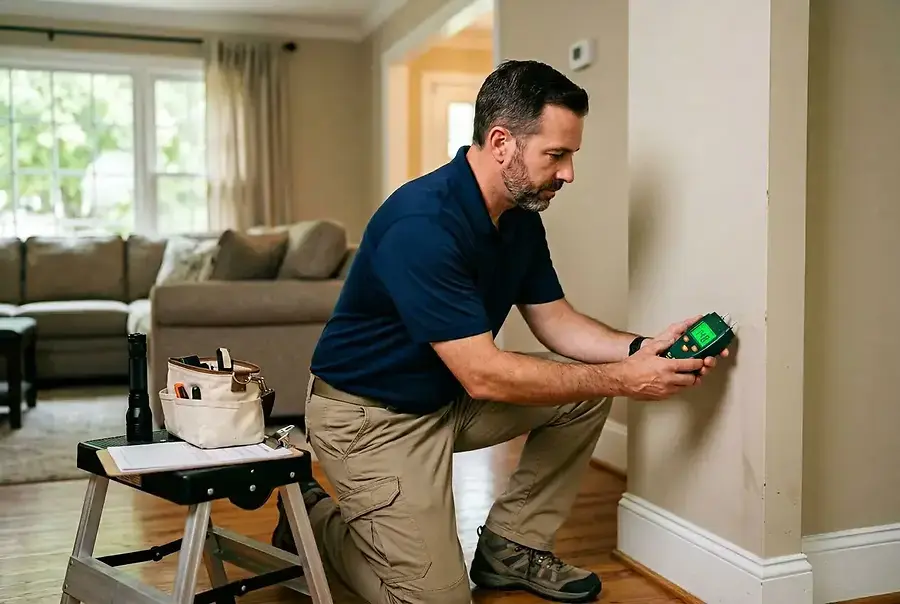
Purchasing a home is one of the most significant financial decisions you'll make, and in Greensboro's competitive real estate market, a thorough home inspection is your best defense against costly surprises. A professional home inspection provides an objective assessment of a property's condition, revealing issues that may not be visible during a casual walkthrough.
In Greensboro, where homes range from historic properties to modern constructions, inspections are particularly valuable. They help you understand what you're truly investing in and provide leverage for negotiations if problems are discovered. Without a proper inspection, you could inherit expensive repairs that weren't factored into your offer price.
Key Areas to Evaluate During Your Home Inspection
Structural Integrity and Foundation
The foundation is the backbone of any home. During your inspection, look for signs of settling, cracks in the foundation, or water damage in the basement or crawl space. Greensboro's clay-heavy soil can sometimes cause foundation shifts, making this assessment especially important. Check for uneven floors, doors that don't close properly, and visible cracks in walls or ceilings.
Roofing and Exterior
Your roof protects everything beneath it, so its condition directly impacts your home's longevity. Inspectors should examine:
- Shingle condition and age
- Flashing around chimneys and vents
- Gutters and downspouts
- Siding for rot, damage, or deterioration
- Windows and doors for proper sealing
A roof replacement can cost $10,000 or more, so understanding its remaining lifespan is crucial for your budget planning.
Plumbing Systems
Water-related issues are among the most expensive to repair. Your inspector should check:
- Water pressure and flow throughout the home
- Pipe material and condition (older homes may have outdated plumbing)
- Signs of leaks or water damage
- Septic system functionality (if applicable)
- Water heater age and condition
Pay special attention to any visible rust stains or corrosion, which indicate potential problems ahead.
Electrical Systems
Electrical safety is non-negotiable. The inspector should verify:
- Panel capacity and condition
- Proper grounding and bonding
- Outlet and switch functionality
- Presence of GFCI outlets in wet areas
- Adequate lighting and circuit distribution
Outdated electrical systems in older Greensboro homes may need upgrades to meet current safety standards and handle modern appliance demands.
HVAC Systems
Heating and cooling systems are essential for comfort and can be expensive to replace. Inspectors evaluate:
- Age and condition of furnace and air conditioning units
- Proper ventilation and ductwork
- Thermostat functionality
- Maintenance records
Interior Conditions
Don't overlook the details inside. Inspectors check for:
- Mold or mildew growth
- Pest infestations or evidence of past problems
- Insulation adequacy
- Paint quality and potential lead paint (in homes built before 1978)
- Flooring condition and stability
Red Flags and When to Negotiate Repairs
Major Red Flags
Some inspection findings warrant serious consideration:
Foundation cracks, roof leaks, electrical hazards, and mold growth are typically deal-breakers or require significant price reductions.
If your inspection reveals these issues, you have several options: request repairs before closing, ask for a price reduction to cover repairs yourself, or walk away from the deal.
Minor Issues Worth Negotiating
Not every finding requires walking away. Minor repairs like replacing weatherstripping, caulking gaps, or fixing small drywall damage are often reasonable requests. However, don't let small issues distract you from larger problems.
Negotiation Strategy
When issues arise, approach negotiations professionally:
- Get multiple repair estimates to establish fair costs
- Prioritize health and safety issues first
- Consider the age of the home and expected wear
- Be prepared to walk away if repairs are too extensive
- Request seller disclosure of previous repairs or known issues
Remember, the inspection is your opportunity to make an informed decision before you're legally bound to the purchase.
Making Informed Decisions with Inspection Insights
A comprehensive home inspection is an investment in your peace of mind. By thoroughly evaluating a Greensboro property before purchase, you gain valuable information that shapes your negotiating position and future maintenance planning.
Use the inspection report as a roadmap for understanding your new home's needs. Even if you proceed with the purchase despite findings, you'll know exactly what to budget for repairs and maintenance. This knowledge empowers you to make decisions that align with your financial situation and long-term goals.
Work closely with your real estate agent and inspector to ensure all critical areas are evaluated. Ask questions, request clarifications, and don't hesitate to seek second opinions on significant issues. Your home is likely the largest investment you'll make—protecting it starts with a thorough inspection.