Greensboro Home Inspection Essentials: What Buyers Must Know
Protect your investment by understanding the critical home inspection process and what red flags to watch for in Greensboro properties.

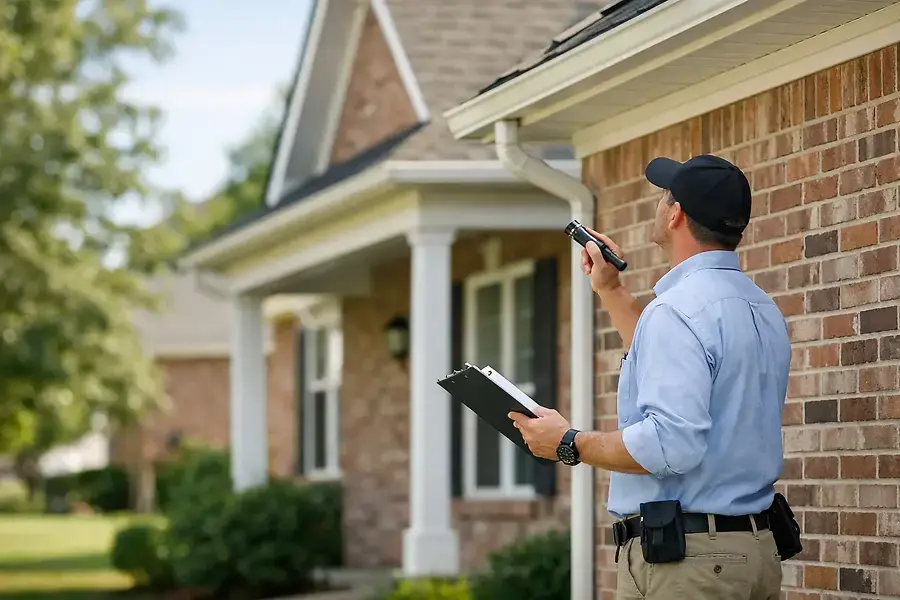
Why Home Inspections Matter in Greensboro's Real Estate Market
Purchasing a home is one of the most significant financial decisions you'll make in your lifetime. In Greensboro's competitive real estate market, a professional home inspection serves as your safeguard against costly surprises down the road. A thorough inspection provides you with detailed information about the property's condition, helping you negotiate better terms or walk away from problematic purchases.
Many first-time homebuyers underestimate the importance of inspections, viewing them as an unnecessary expense. However, the average cost of a home inspection—typically between $300 and $500—is minimal compared to the potential expenses of addressing major structural or mechanical issues after purchase. In Greensboro, where homes range from historic properties to newer constructions, inspections are particularly valuable for identifying age-related wear and regional concerns.
What to Expect During a Professional Home Inspection
The Inspection Timeline and Process
A comprehensive home inspection typically takes two to four hours, depending on the property's size and age. During this time, a certified inspector will systematically examine every accessible area of the home, both inside and outside. You have the right to be present during the inspection—in fact, it's highly recommended so you can ask questions and learn about the property firsthand.
Key Areas Inspectors Evaluate
Professional inspectors examine multiple critical systems and components:
- Structural Components: Foundation, walls, roof, and overall structural integrity
- Roofing System: Shingles, flashing, gutters, and drainage
- Electrical System: Panel, wiring, outlets, and safety features
- Plumbing System: Pipes, fixtures, water pressure, and drainage
- HVAC Systems: Heating, cooling, and ventilation functionality
- Insulation and Ventilation: Energy efficiency and moisture control
- Interior Components: Walls, ceilings, floors, doors, and windows
- Exterior Features: Siding, decks, patios, and landscaping concerns
Understanding the Inspection Report
After the inspection, you'll receive a detailed report categorizing findings into three levels: items requiring immediate attention, items that should be monitored, and minor observations. The report includes photographs and descriptions of each issue, making it easy to understand what needs addressing. Don't hesitate to ask your inspector to clarify any findings—they're there to help you understand your potential investment.
Common Issues Found in Greensboro Homes and How to Address Them
Roof and Water Damage
Greensboro's climate can be tough on roofing systems. Inspectors frequently find missing shingles, deteriorated flashing, and inadequate drainage. If roof damage is discovered, obtain repair estimates immediately. Roof replacement is expensive, so this finding significantly impacts your negotiating position. Ask the seller to address repairs or request a credit toward closing costs.
Foundation and Structural Issues
Older Greensboro homes sometimes show signs of foundation settling or minor cracks. While small cracks are often cosmetic, larger cracks or signs of active movement warrant professional structural evaluation. Never ignore foundation concerns—they can affect the entire home's integrity and resale value.
HVAC System Age and Condition
Many Greensboro properties have aging heating and cooling systems. Systems typically last 15-20 years, so inspectors often recommend replacement for older units. Budget for potential HVAC upgrades, as this is a common expense in older homes. Modern systems are more energy-efficient, which can offset replacement costs through lower utility bills.
Electrical System Concerns
Outdated electrical panels, insufficient outlets, and outdated wiring are common findings in older Greensboro homes. Electrical issues are safety concerns that should never be ignored. Hire a licensed electrician for detailed evaluation if the inspector flags electrical problems.
Plumbing and Water Quality
Corroded pipes, low water pressure, and outdated plumbing fixtures frequently appear in inspection reports. Some older homes may have galvanized pipes that need replacement. If the home uses well water, request water quality testing. These issues range from minor inconveniences to significant expenses, depending on severity.
Pest and Moisture Damage
Greensboro's humidity can create conditions favorable for termites, mold, and wood rot. Inspectors look for evidence of pest damage and moisture intrusion. If termite damage is found, request a separate termite inspection and treatment estimate. Moisture issues require attention to prevent long-term structural damage.
Using Inspection Results to Make Confident Buying Decisions
Once you have the inspection report, you face several options. You can request the seller make repairs, ask for credits toward closing costs, renegotiate the purchase price, or walk away from the deal. Use the inspection report as a negotiating tool, not a reason to panic. Many issues are manageable and don't necessarily mean you should abandon your purchase.
Prioritize findings by severity and cost. Major structural or safety issues deserve more attention than cosmetic concerns. Consider getting specialized inspections for significant findings—a structural engineer for foundation issues, a licensed electrician for electrical concerns, or a plumber for plumbing problems.
Remember that no home is perfect. Even new construction can have minor issues. The goal of a home inspection is to give you complete information so you can make an educated decision about your investment. Armed with detailed knowledge about the property's condition, you can move forward with confidence, knowing exactly what you're purchasing and what expenses to anticipate.
In Greensboro's real estate market, a professional home inspection is your best defense against costly surprises. Take the process seriously, ask questions, and use the results to make the best decision for your family and your financial future.