Gresham Home Inspection Essentials: What Buyers Need to Know
Master the critical steps to protect your investment and avoid costly surprises when purchasing residential property in Gresham.

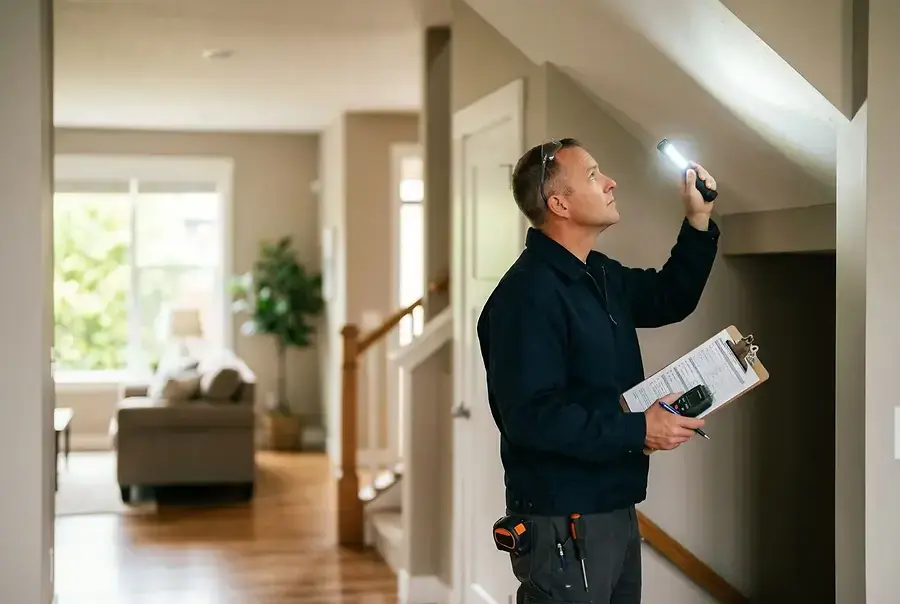
Why Home Inspections Matter in Gresham's Competitive Market
Purchasing a home is one of the most significant financial decisions you'll make, and in Gresham's competitive real estate market, it's crucial to protect your investment. A professional home inspection is your safeguard against hidden defects, structural issues, and costly repairs that could drain your finances after closing. Many buyers in Gresham overlook this critical step or rush through it, only to discover expensive problems months later.
Home inspections provide you with an objective assessment of a property's condition, giving you the leverage to negotiate repairs, request credits, or walk away if necessary. In a market where properties move quickly, having a thorough inspection report empowers you to make informed decisions rather than emotional ones.
Key Areas Inspectors Examine and Red Flags to Watch For
Structural Components
Professional inspectors begin by evaluating the foundation, framing, and overall structural integrity of the home. Watch for cracks in the foundation, uneven floors, or bowing walls, as these can indicate serious structural problems that require expensive repairs. Inspectors will also check for signs of water damage, settling, or previous repairs that might suggest ongoing issues.
Roofing and Exterior
The roof is one of the most expensive components to replace. Inspectors examine shingles, flashing, gutters, and drainage systems. Red flags include missing shingles, visible leaks, sagging areas, or a roof nearing the end of its lifespan. They'll also assess the condition of siding, windows, doors, and exterior caulking to identify potential water intrusion points.
Plumbing Systems
A thorough plumbing inspection checks water pressure, drainage, and the condition of pipes. Be alert to slow drains, water stains, corrosion, or outdated materials like galvanized pipes. Inspectors will test fixtures, check for leaks, and evaluate the water heater's age and condition. Older homes in Gresham may have plumbing systems that require updating.
Electrical Systems
Electrical safety is paramount. Inspectors verify that the electrical panel is properly grounded, check for adequate outlets, and ensure wiring meets current codes. Outdated wiring, insufficient capacity, or improper grounding are serious concerns that could pose fire hazards or require costly upgrades.
HVAC Systems
Heating, ventilation, and air conditioning systems are essential for comfort and health. Inspectors evaluate furnaces, air conditioners, and ductwork. An aging or malfunctioning HVAC system can be one of the most expensive replacements, so understanding its condition and remaining lifespan is critical.
Insulation and Ventilation
Proper insulation and ventilation affect energy efficiency and prevent moisture problems. Inspectors check attic insulation levels, ventilation adequacy, and signs of moisture or mold. Inadequate insulation or poor ventilation can lead to high utility bills and structural damage.
Interior Conditions
Inspectors examine walls, ceilings, and floors for water damage, cracks, or signs of pest infestation. They'll check doors, windows, and built-in appliances. Mold, asbestos, or lead paint in older homes are significant health concerns that require professional remediation.
How to Choose a Qualified Home Inspector and Prepare for the Inspection
Selecting the Right Inspector
Not all home inspectors are created equal. Choose an inspector who is licensed, insured, and certified by a reputable organization such as the American Society of Home Inspectors (ASHI) or the National Association of Home Inspectors (NAHI). Ask for references, check online reviews, and verify their experience with homes similar to the one you're purchasing.
Avoid inspectors who are too cheap or who have conflicts of interest with real estate agents or contractors. A quality inspection typically costs between $300 and $500, depending on the home's size and age. This investment is minimal compared to the potential cost of undiscovered problems.
Preparing for the Inspection
Coordinate with your real estate agent to schedule the inspection within your contingency period. Attend the inspection in person whenever possible—this allows you to ask questions, understand issues firsthand, and learn about the home's systems and maintenance needs.
Prepare a list of concerns or areas you want the inspector to pay special attention to. If the home is older or you've noticed specific issues, mention them upfront. Ensure the property is accessible, utilities are on, and the seller has provided access to all areas, including the attic and crawl spaces.
Understanding the Inspection Report
After the inspection, you'll receive a detailed report categorizing findings as major, minor, or informational. Focus on major issues that affect safety, functionality, or require immediate repair. Don't be alarmed by minor cosmetic issues or deferred maintenance that's typical for homes of that age.
Review the report carefully and consult with contractors if you need clarification on repair costs. This information becomes your negotiating tool with the seller.
Using Inspection Results to Negotiate and Make Confident Offers
Armed with your inspection report, you have several options. You can request that the seller make repairs before closing, ask for a credit to cover repair costs, or renegotiate the purchase price. In Gresham's competitive market, sellers may be unwilling to make repairs, so requesting credits is often more realistic.
If major issues are discovered, you may have grounds to walk away from the deal, depending on your inspection contingency. This is why having a thorough inspection is invaluable—it protects you from inheriting someone else's problems.
Use the inspection report to plan future maintenance and budget for upcoming repairs. Understanding your home's condition helps you make informed decisions about your investment and prioritize maintenance efforts.
A professional home inspection is not an expense—it's an investment in peace of mind and financial protection. By understanding what inspectors examine, choosing a qualified professional, and using the results strategically, you can navigate Gresham's real estate market with confidence and avoid costly surprises.