Gretna Real Estate Investment: Commercial vs Residential Opportunities
Discover which property type offers the best returns for your investment goals in Gretna's growing market.

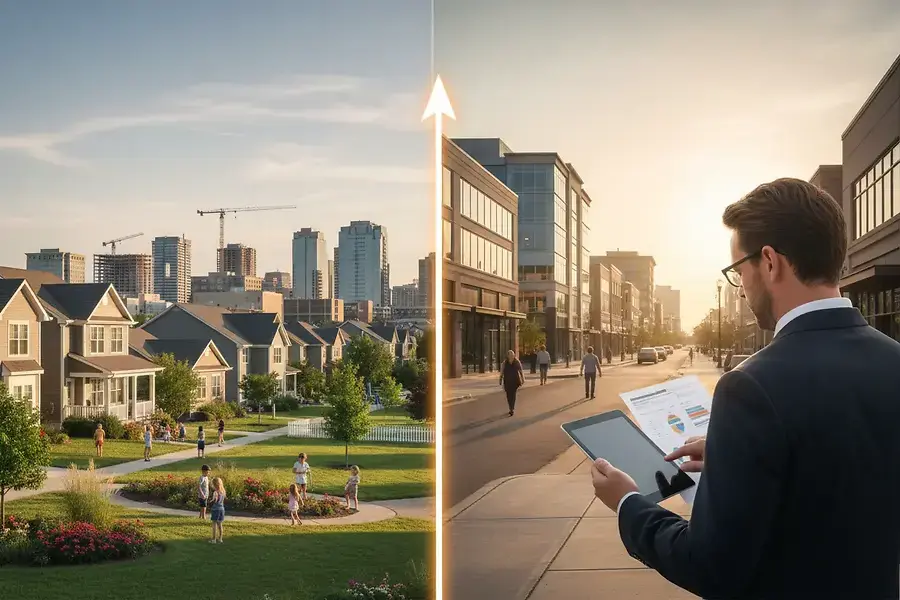
Understanding Your Investment Options in Gretna
Gretna's real estate market is experiencing significant growth, attracting investors from across the region. Whether you're a first-time investor or an experienced portfolio manager, understanding the differences between residential and commercial properties is crucial for making informed decisions. Both sectors offer unique advantages and challenges that can impact your returns and long-term wealth building.
The key to successful real estate investing lies in aligning your investment strategy with your financial goals, risk tolerance, and available capital. In this guide, we'll explore both residential and commercial opportunities in Gretna to help you determine which path is right for you.
Residential Properties: Stable Returns and Market Growth in Gretna
Why Residential Properties Appeal to Investors
Residential properties have long been the cornerstone of real estate investment portfolios. In Gretna, the residential market is particularly attractive due to steady demand and consistent appreciation rates. Single-family homes, multi-unit apartments, and townhouses provide investors with multiple entry points at various price levels.
Key advantages of residential investing include:
- Stable tenant base: Families and individuals consistently need housing, creating reliable rental income streams
- Easier financing: Banks and lenders typically offer more favorable terms for residential properties
- Lower entry costs: Residential properties generally require less capital upfront compared to commercial buildings
- Appreciation potential: Gretna's growing population supports steady property value increases
- Tax benefits: Mortgage interest and property maintenance expenses are often tax-deductible
Market Trends in Gretna's Residential Sector
The residential market in Gretna continues to show strong fundamentals. Population growth in the area has driven increased demand for housing, particularly in family-friendly neighborhoods with good schools and amenities. This demand translates to higher occupancy rates and the ability to command competitive rental prices.
Investors who purchase residential properties in emerging neighborhoods often benefit from significant appreciation as infrastructure and services improve. The relatively affordable entry price compared to other markets makes Gretna an attractive destination for residential real estate investors.
Challenges to Consider
While residential properties offer stability, they come with their own set of challenges. Tenant management, maintenance responsibilities, and vacancy periods can impact your bottom line. Additionally, residential properties typically generate lower cash-on-cash returns compared to commercial investments, requiring a longer time horizon to build substantial wealth.
Commercial Properties: Business Potential and Revenue Streams
The Commercial Real Estate Advantage
Commercial properties—including office buildings, retail spaces, warehouses, and mixed-use developments—offer different opportunities than residential investments. Gretna's strategic location and growing business community make commercial real estate an increasingly attractive option for investors seeking higher returns.
Notable benefits of commercial property investment include:
- Higher income potential: Commercial leases typically generate significantly higher rental income than residential properties
- Longer lease terms: Tenants often commit to multi-year leases, providing income stability and predictability
- Professional tenants: Businesses are typically more reliable and responsible than individual renters
- Triple net leases: Many commercial agreements shift maintenance and operating costs to tenants, reducing landlord expenses
- Appreciation and development potential: Commercial properties in growing areas like Gretna can experience substantial value increases
Gretna's Commercial Real Estate Landscape
Gretna is experiencing rapid commercial development, with new retail centers, office parks, and industrial facilities emerging throughout the region. This growth is driven by business expansion, population increases, and improved transportation infrastructure. Investors who identify emerging commercial corridors early can position themselves for significant returns.
Commercial properties in strategic locations can provide both immediate cash flow and long-term appreciation, making them attractive for investors seeking diversified income streams.
Challenges and Considerations
Commercial investing requires more capital, expertise, and due diligence than residential properties. Market cycles can be more pronounced, and economic downturns may impact business tenants more severely than residential renters. Additionally, commercial properties require more sophisticated management and understanding of business operations.
Vacancy periods in commercial properties can be longer and more costly than residential vacancies. However, the higher income potential often justifies these additional risks and responsibilities for experienced investors.
Making the Right Investment Choice for Your Future
Assessing Your Investment Goals
The choice between residential and commercial properties ultimately depends on your specific circumstances. Consider the following questions:
- What is your target annual return on investment?
- How much capital can you invest initially?
- Do you prefer stable, predictable income or higher potential returns?
- How much time can you dedicate to property management?
- What is your risk tolerance?
- What is your investment timeline?
Hybrid Approaches and Diversification
Many successful investors don't choose between residential and commercial properties—they build portfolios that include both. This diversification approach balances the stability of residential properties with the higher income potential of commercial investments. Gretna's diverse market offers opportunities to pursue both strategies simultaneously.
The Path Forward
Gretna's real estate market presents compelling opportunities for both residential and commercial investors. Residential properties offer stability, easier financing, and consistent appreciation, making them ideal for conservative investors and those building long-term wealth. Commercial properties provide higher income potential and professional tenant relationships, appealing to investors seeking more aggressive returns.
Before making any investment decision, conduct thorough market research, analyze comparable properties, and consider consulting with real estate professionals familiar with Gretna's market. Whether you choose residential, commercial, or a combination of both, the key to success is making informed decisions aligned with your financial goals and investment philosophy.
The growing Gretna market offers something for every investor. By understanding the unique advantages and challenges of each property type, you can position yourself to build wealth and achieve your investment objectives.


