Guide to Minneapolis Metro Residential and Mixed-Use Properties
Discover why communities from Stanchfield to Blaine offer diverse investment opportunities for residential and commercial real estate buyers.

Understanding the Minneapolis Metro Real Estate Landscape
The Minneapolis metropolitan area has emerged as one of the most dynamic real estate markets in the Upper Midwest. Spanning from Stanchfield in the north to Blaine and beyond, this region offers a compelling blend of urban convenience and suburban tranquility. The Twin Cities market has attracted investors and homebuyers alike, thanks to its strong economic fundamentals, diverse communities, and robust job growth across multiple sectors.
The metro area's real estate landscape is characterized by varied property types, price points, and investment potential. Whether you're seeking a primary residence, an investment property, or a mixed-use development opportunity, the Minneapolis metro provides options that cater to different financial goals and lifestyle preferences. Understanding the nuances of this market is essential for making informed decisions.
Key Market Drivers
Several factors contribute to the region's real estate appeal. The presence of major employers, excellent schools, and quality-of-life amenities make the Twin Cities an attractive destination. Additionally, the region's affordability compared to coastal markets, combined with strong appreciation potential, has positioned Minneapolis as a smart investment choice for both seasoned and first-time buyers.
Residential Market Strengths Across the Region
The residential market in the Minneapolis metro showcases remarkable diversity. From established neighborhoods in the urban core to rapidly developing suburban communities, there's something for everyone. Single-family homes, townhomes, and condominiums are available across various price ranges, making homeownership accessible to a broad spectrum of buyers.
Suburban Growth and Family-Friendly Communities
Communities stretching from Stanchfield northward through areas like Blaine have experienced significant growth. These suburbs offer:
- Newer construction with modern amenities and energy-efficient features
- Excellent school districts that attract families
- Parks, recreational facilities, and outdoor spaces
- Convenient access to major highways and employment centers
- Lower property taxes compared to some neighboring states
Families particularly appreciate these communities for their safe neighborhoods, strong sense of community, and investment stability. Property values in these areas have demonstrated consistent appreciation, making them attractive for long-term wealth building.
Urban and Inner-Ring Opportunities
The Minneapolis core and inner-ring suburbs present different advantages. These areas feature:
- Walkable neighborhoods with vibrant cultural scenes
- Proximity to downtown employment and entertainment
- Historic charm combined with modern renovations
- Strong rental demand for investment properties
- Access to public transportation and urban amenities
Investors focused on rental income often find these neighborhoods particularly attractive due to consistent tenant demand and competitive rental rates.
Mixed-Use and Commercial Opportunities in Growing Communities
Beyond traditional residential properties, the Minneapolis metro offers compelling mixed-use and commercial real estate opportunities. These properties combine residential units with retail, office, or hospitality components, creating diverse revenue streams and community value.
The Rise of Mixed-Use Development
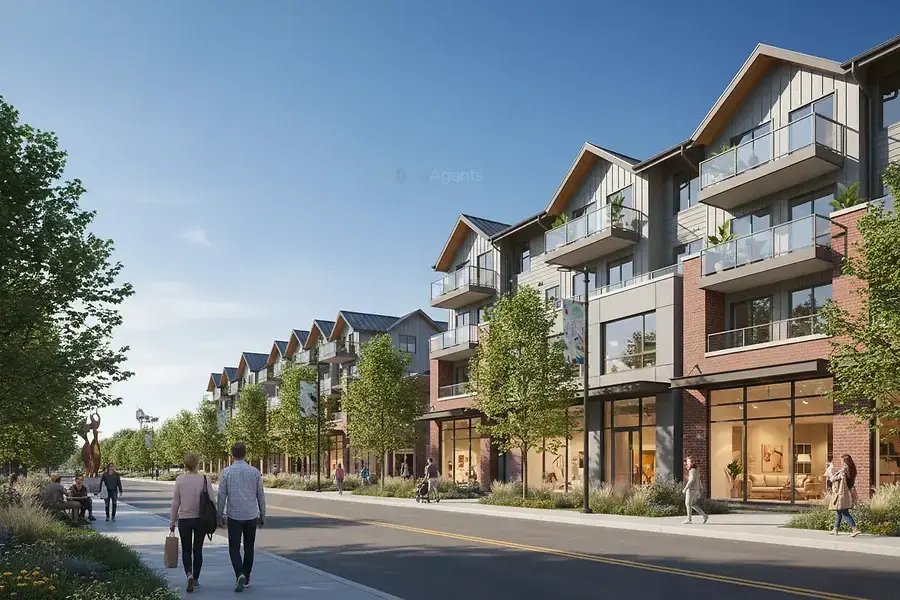
Mixed-use properties have become increasingly popular as communities seek to create vibrant, walkable neighborhoods. These developments typically feature ground-floor retail or restaurants with residential or office space above. Benefits include:
- Multiple income streams from different property uses
- Reduced vacancy risk through diversified tenant bases
- Strong appeal to younger professionals and urban dwellers
- Community revitalization and neighborhood activation
- Potential for higher overall returns on investment
Commercial Real Estate Potential
The commercial sector in the Minneapolis metro continues to expand. Growing communities offer opportunities in:
- Retail spaces in high-traffic areas with strong demographics
- Office buildings benefiting from corporate relocations and expansions
- Industrial and warehouse properties driven by e-commerce growth
- Hospitality properties in areas with tourism and business travel demand
Investors with commercial expertise can capitalize on these opportunities, particularly in emerging neighborhoods experiencing rapid development and population growth.
Emerging Neighborhoods and Development Corridors
Certain corridors and neighborhoods are experiencing accelerated development. These areas often feature lower current valuations with significant appreciation potential. Early investors in these emerging markets can benefit from:
- Ground-floor entry prices before major appreciation
- Infrastructure improvements and public investment
- Demographic shifts attracting younger, affluent residents
- New commercial anchors and entertainment venues
Making Your Investment Decision in the Twin Cities
With numerous options available, selecting the right property and location requires careful analysis. Consider these essential factors when evaluating Minneapolis metro real estate opportunities.
Assessing Your Investment Goals
Begin by clarifying your objectives. Are you seeking:
- Primary residence appreciation and equity building?
- Rental income and long-term cash flow?
- Mixed-use development with multiple revenue streams?
- Commercial property investment with institutional tenants?
Your goals will significantly influence which properties and neighborhoods make sense for your portfolio.
Location and Market Analysis
Location remains paramount in real estate success. Evaluate:
- Population growth trends and demographic shifts
- Employment centers and job market strength
- School district ratings and quality
- Infrastructure development and planned improvements
- Comparable sales and market appreciation history
- Rental demand and vacancy rates
Communities from Stanchfield to Blaine offer varying characteristics. Northern suburbs may appeal to those seeking newer construction and family-friendly environments, while urban properties attract investors focused on rental income and walkability.
Financial Considerations
Evaluate the financial fundamentals carefully. Consider:
- Purchase price relative to comparable properties
- Potential rental income and expense ratios
- Financing options and interest rate environments
- Tax implications and depreciation benefits
- Long-term appreciation potential
- Exit strategy and liquidity considerations
The Minneapolis metro real estate market rewards investors who combine thorough research with strategic timing and clear investment objectives.
Working with Local Experts
Partnering with experienced local real estate professionals is invaluable. Real estate agents, property managers, and investment advisors familiar with the Minneapolis metro can provide:
- Market insights and neighborhood analysis
- Access to off-market opportunities
- Guidance on pricing and negotiation strategies
- Property management and tenant placement services
- Tax and investment planning advice
The Minneapolis metropolitan area, from Stanchfield to Blaine and throughout the Twin Cities region, presents diverse and compelling real estate opportunities. Whether you're interested in residential properties, mixed-use developments, or commercial investments, the market offers options aligned with various investment strategies and financial goals. By understanding the landscape, assessing your objectives, and conducting thorough due diligence, you can make informed decisions that build wealth and achieve your real estate aspirations in this dynamic market.


