Gulfport Commercial Zoning Laws: A Guide to Property Compliance
Navigate local zoning regulations to maximize your commercial property investment potential in Gulfport.

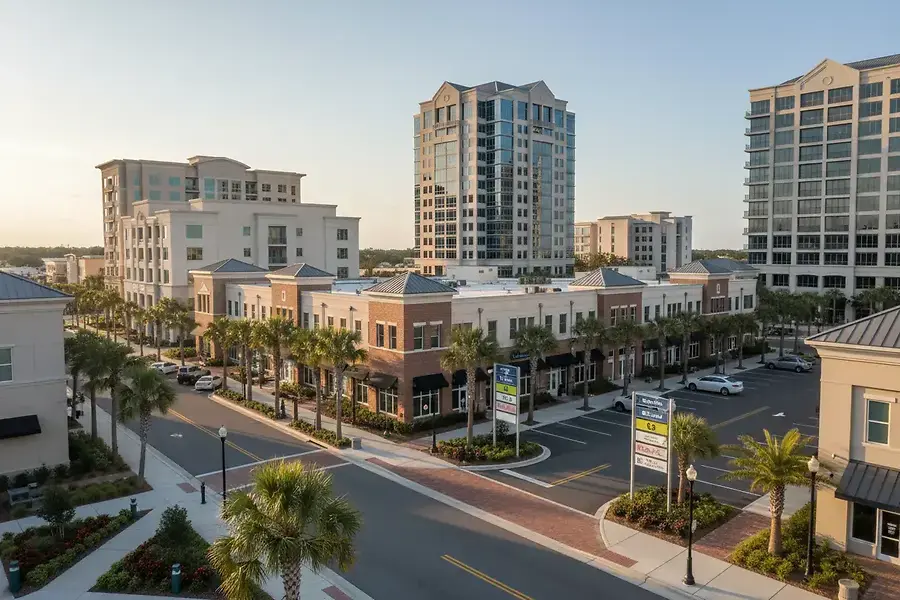
Understanding Gulfport's Commercial Zoning Districts
Gulfport's commercial zoning landscape is carefully structured to balance economic growth with community development. The city is divided into several distinct zoning districts, each with specific regulations governing land use, building heights, setbacks, and permitted business activities. Understanding these districts is the first step toward making informed decisions about your commercial property.
Primary Commercial Zones
The city maintains multiple commercial zoning classifications designed to serve different business needs. Central Business District (CBD) zones are typically located in downtown areas and allow for mixed-use developments with higher density. General Commercial (GC) zones accommodate retail, office, and service businesses with moderate restrictions. Highway Commercial (HC) zones are positioned along major thoroughfares and are ideal for businesses requiring high visibility and accessibility.
Each zone has distinct parameters that determine what types of businesses can operate, how large structures can be, and what setback requirements must be met. Property owners must verify their specific zoning classification before planning any development or business operations.
Zoning District Characteristics
- Density Requirements: Different zones allow varying numbers of square feet per business unit
- Parking Regulations: Minimum parking spaces required based on business type and size
- Signage Limitations: Restrictions on sign size, illumination, and placement
- Operating Hours: Some zones have restrictions on business hours, particularly for entertainment venues
- Environmental Considerations: Regulations regarding waste management and environmental impact
Key Compliance Requirements for Commercial Properties
Compliance with Gulfport's zoning ordinances is not optional—it's essential for maintaining your business license and avoiding costly penalties. Property owners and operators must understand and adhere to multiple regulatory requirements.
Permits and Approvals
Before opening a commercial business or making significant property modifications, you must obtain the appropriate permits from Gulfport's Planning and Zoning Department. Conditional Use Permits (CUP) may be required for certain business types that aren't automatically permitted in your zone. Variance requests allow property owners to seek exceptions to zoning regulations when strict compliance creates undue hardship.
The permit application process typically includes site plans, architectural drawings, and detailed descriptions of proposed business operations. Processing times vary, but property owners should anticipate several weeks for standard approvals.
Building and Safety Standards
Commercial properties must comply with Gulfport's building codes, fire safety regulations, and accessibility standards. ADA compliance is mandatory for all public-facing commercial spaces, including accessible parking, entrances, and restrooms. Fire code requirements dictate emergency exits, sprinkler systems, and evacuation procedures based on occupancy type and capacity.
Common Compliance Violations
- Operating a non-permitted business type in your zoning district
- Exceeding maximum building height or floor area limits
- Inadequate parking facilities for your business operations
- Non-compliant signage that violates size or illumination standards
- Failure to maintain required setbacks from property lines
- Operating without current business licenses and permits
Violations can result in fines ranging from hundreds to thousands of dollars, and in severe cases, forced business closure. Proactive compliance is always more cost-effective than remediation.
How Zoning Impacts Property Value and Development Opportunities
Zoning regulations directly influence commercial property values and development potential. Understanding these impacts helps investors make strategic decisions about property acquisition and business planning.
Property Value Considerations
Properties in high-demand commercial zones typically command premium prices. CBD locations offer visibility and foot traffic but come with higher acquisition costs and stricter regulations. Highway commercial properties attract businesses requiring high visibility but may face limitations on signage and architectural design. General commercial zones often provide a balanced approach with moderate pricing and reasonable operational flexibility.
The zoning classification of a property can increase or decrease its value by 20-40% compared to similar properties in different zones. Before purchasing commercial real estate, investors should thoroughly research the zoning implications for their intended business use.
Development Opportunities and Constraints
Zoning regulations can either facilitate or limit development potential. Mixed-use development is increasingly encouraged in certain zones, allowing property owners to combine residential, retail, and office spaces. However, density limitations, parking requirements, and setback rules can significantly impact project feasibility and profitability.
Strategic property selection within favorable zoning districts can unlock substantial development opportunities. Properties near zoning boundaries or in areas designated for future commercial expansion may offer exceptional investment potential.
Future Zoning Changes
Gulfport's comprehensive plan identifies areas targeted for commercial expansion and revitalization. Staying informed about proposed zoning amendments can help investors identify emerging opportunities. Properties in areas slated for zoning upgrades may appreciate significantly as development restrictions ease.
Conclusion: Making Informed Decisions with Local Zoning Knowledge
Gulfport's commercial zoning laws represent a comprehensive framework designed to support business growth while protecting community interests. Success in Gulfport's commercial real estate market requires thorough understanding of these regulations and their implications for your specific property and business.
Key takeaways for commercial property owners:
- Verify your property's zoning classification and permitted uses before making investment decisions
- Obtain all required permits and approvals before beginning operations or modifications
- Maintain ongoing compliance with building codes, safety standards, and operational restrictions
- Consider how zoning impacts both current property value and future development potential
- Consult with local planning officials and legal professionals when navigating complex zoning issues
By investing time in understanding Gulfport's zoning landscape, commercial property owners can maximize their investment returns, avoid costly compliance violations, and position themselves for long-term success. The city's planning department offers resources and guidance to help property owners navigate these regulations effectively.


