Hartwell Home Inspection Essentials: What Buyers Should Know
Master the critical inspection checklist that protects your investment and prevents costly surprises in Hartwell residential purchases.

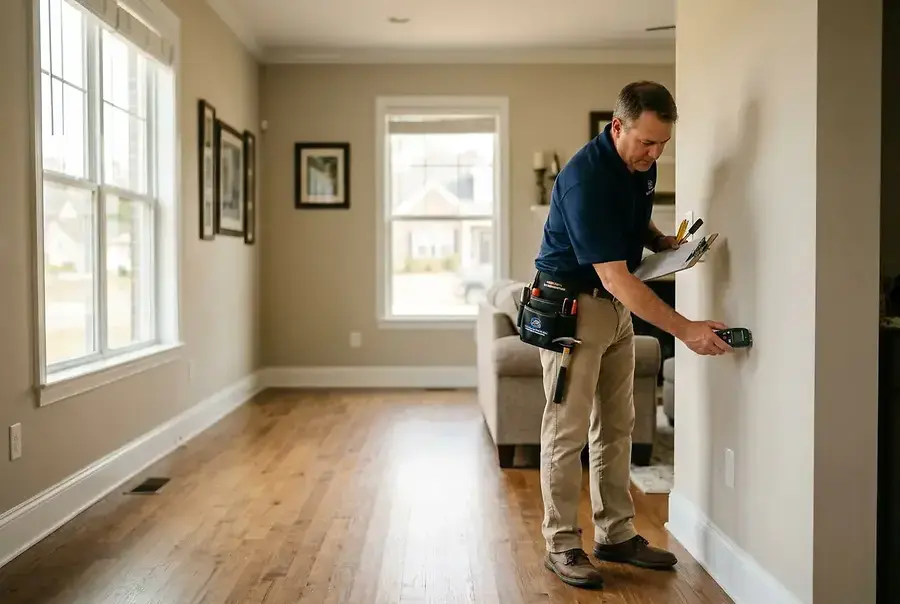
Understanding the Home Inspection Process in Hartwell
A home inspection is one of the most important steps in the homebuying process. When you're purchasing a property in Hartwell, Georgia, a professional home inspection provides an objective assessment of the property's condition and identifies potential issues before you commit to the purchase.
The inspection typically takes two to four hours depending on the home's size and age. A licensed inspector will thoroughly examine the property's structure, systems, and components. It's important to note that home inspections are non-invasive, meaning inspectors won't damage walls, flooring, or other structures to investigate further.
What to Expect During Your Inspection
Most home inspections in Hartwell follow a standardized process. You'll receive a detailed written report within 24 to 48 hours of the inspection. This report categorizes findings by severity level—from minor cosmetic issues to major structural concerns that could affect your decision to purchase.
As the buyer, you have the right to be present during the inspection. Many real estate professionals recommend attending to ask questions and understand the property's condition firsthand. This is your opportunity to learn about maintenance requirements and potential future repairs.
Key Areas Inspectors Examine in Georgia Homes
Structural Components
Inspectors evaluate the foundation, walls, and roof structure for signs of damage, settling, or deterioration. In Hartwell's climate, inspectors pay special attention to:
- Foundation cracks or water damage
- Roof condition and remaining lifespan
- Exterior walls and siding integrity
- Windows and door frames
Mechanical Systems
The heating, cooling, and ventilation systems are critical to home comfort and safety. Inspectors test:
- HVAC systems for proper operation and age
- Water heaters for functionality and corrosion
- Electrical systems for safety and code compliance
- Plumbing for leaks, water pressure, and drainage
Interior and Exterior Features
A comprehensive inspection includes examination of:
- Insulation and ventilation in attics
- Basement or crawl space conditions
- Flooring and subflooring
- Kitchen and bathroom fixtures
- Decks, porches, and exterior structures
- Drainage and grading around the property
Safety and Environmental Concerns
Professional inspectors also screen for potential hazards such as mold, asbestos, lead paint, and radon. While some of these require specialized testing, a general home inspector will note any visible signs or conditions that warrant further investigation.
How to Review and Interpret Your Inspection Report
Understanding the Report Format
Most inspection reports are organized by system or area of the home. Each finding is typically categorized as:
- Safety Issues – Immediate concerns affecting occupant safety
- Major Repairs – Significant problems requiring professional attention
- Minor Repairs – Small issues that should be addressed but aren't urgent
- Maintenance Items – Routine upkeep recommendations
Asking the Right Questions
Don't hesitate to contact your inspector for clarification. Ask about:
- The severity and urgency of each finding
- Estimated costs for repairs or replacements
- Whether issues are normal wear-and-tear or signs of neglect
- The expected lifespan of major systems
- Recommendations for professional follow-up inspections
Prioritizing Your Concerns
Not every finding requires immediate action. Prioritize issues based on safety, functionality, and cost. A roof that needs replacement in five years is less urgent than a faulty electrical panel. Work with your real estate agent to determine which issues are negotiable and which are deal-breakers for your situation.
Next Steps: Using Inspection Results in Your Offer
Negotiation Strategies
Armed with your inspection report, you have several options:
- Request repairs – Ask the seller to fix major issues before closing
- Request credits – Negotiate a price reduction to cover repair costs yourself
- Request inspections – Ask for specialized inspections (electrical, plumbing, structural) for major concerns
- Walk away – If findings reveal deal-breaking issues, you may terminate the contract
The timing of your inspection is crucial. Most purchase agreements include an inspection contingency period—typically 7 to 10 days—during which you can negotiate based on findings or withdraw your offer.
Working with Professionals
For significant issues identified in the inspection, consider obtaining quotes from licensed contractors. This gives you concrete numbers for negotiations and helps you understand the true cost of repairs. Your real estate agent can often recommend trusted professionals in the Hartwell area.
Final Walkthrough
Before closing, conduct a final walkthrough to verify that any agreed-upon repairs have been completed and the property's condition matches the inspection report. This is your last opportunity to address concerns before you take ownership.
Moving Forward with Confidence
A thorough home inspection is an investment in your peace of mind. By understanding the inspection process, knowing what to look for, and using the results strategically, you protect yourself from costly surprises and make an informed decision about one of the largest purchases of your life.
Remember: A professional home inspection is not about finding reasons to back out of a deal—it's about understanding exactly what you're buying and planning for the future maintenance and care of your new home.


