High-Altitude Home Buying: Mountain Markets from NC to TN Explained
Discover what sets apart the residential real estate landscape across twelve thriving mountain communities and how to navigate your purchase strategically.

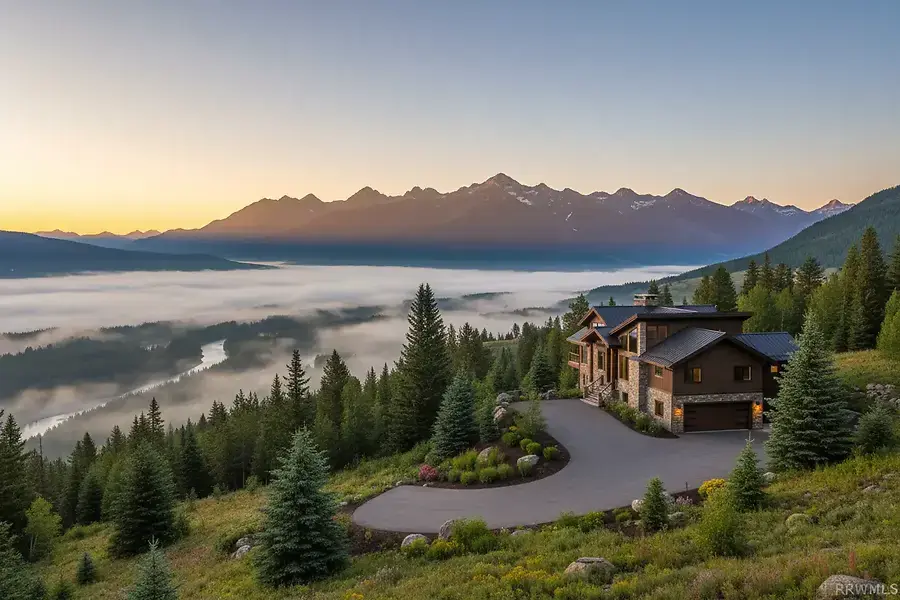
Understanding the Mountain Real Estate Advantage: Why These Communities Stand Out
Mountain communities across North Carolina and Tennessee have emerged as some of the most desirable residential markets in the Southeast. These high-elevation neighborhoods offer a unique combination of natural beauty, outdoor recreation, and increasingly, strong economic fundamentals that make them attractive to both primary homeowners and investors.
The appeal extends far beyond scenic vistas. Mountain towns provide lower population density compared to urban centers, creating a sense of community while maintaining access to modern amenities. Residents enjoy proximity to hiking trails, skiing, fishing, and other outdoor activities that define the mountain lifestyle. Additionally, many of these communities have experienced significant infrastructure improvements and business development, making them increasingly self-sufficient rather than purely seasonal destinations.
The Lifestyle Factor
What truly distinguishes mountain real estate is the lifestyle premium buyers are willing to pay. The combination of fresh mountain air, stunning views, and outdoor accessibility creates an intangible value that extends beyond square footage and lot size. Many buyers relocate to these areas seeking a slower pace of life, stronger community connections, and a more direct relationship with nature.
Economic Growth and Development
Beyond lifestyle, these mountain communities are experiencing genuine economic growth. Remote work capabilities have enabled professionals to maintain high-income careers while enjoying mountain living. Local businesses, tourism infrastructure, and residential development have created employment opportunities and increased property values across the region.
Market Dynamics Across NC and TN Mountain Towns: Price Points, Inventory, and Buyer Demand
The mountain real estate markets spanning North Carolina and Tennessee display fascinating variations in pricing, inventory levels, and buyer demand. Understanding these dynamics is essential for making informed purchasing decisions.
Price Point Variations
Mountain properties in this region range significantly in price depending on location, elevation, and proximity to major attractions. Entry-level mountain homes may start in the $200,000 to $350,000 range, while premium properties with exceptional views and amenities can exceed $1 million. Mid-range properties—typically the most active segment—cluster between $400,000 and $750,000.
North Carolina mountain markets tend to offer slightly different pricing dynamics than Tennessee communities, with some NC areas commanding premium prices due to established reputation and consistent demand. Tennessee mountain towns, while equally beautiful, sometimes offer better value for buyers seeking comparable properties at lower price points.
Inventory Challenges and Opportunities
Mountain real estate markets have experienced historically tight inventory in recent years. Limited buildable land, environmental restrictions, and the desirability of existing properties create supply constraints that support property values. For buyers, this means:
- Properties may sell quickly once listed
- Competitive bidding situations are common
- Pre-approval and readiness to move are essential
- Off-market opportunities through local networks become valuable
Buyer Demand Patterns
Demand remains robust across mountain communities, driven by multiple buyer segments. Primary homeowners seeking lifestyle changes compete with second-home buyers looking for vacation retreats and investment buyers pursuing rental income opportunities. This diverse demand base creates stable, resilient markets less vulnerable to single-segment downturns.
Seasonal Considerations and Year-Round Living in High-Elevation Residential Markets
Mountain living presents unique seasonal considerations that significantly impact both property selection and lifestyle planning. Understanding these factors helps buyers make realistic decisions about their mountain investment.
Winter Weather and Infrastructure
High-elevation properties experience more severe winter weather than lower-altitude regions. Snow accumulation, ice storms, and challenging driving conditions are regular occurrences. Successful mountain homeowners invest in:
- Reliable heating systems and backup power options
- Well-maintained driveways and access roads
- Snow removal equipment or service contracts
- Emergency supplies and preparedness planning
Properties with southern exposure, good drainage, and protected access routes command premiums because they're more practical for year-round living.
Summer and Fall Appeal
The warmer months showcase mountain communities at their finest. Summer brings comfortable temperatures, outdoor recreation opportunities, and vibrant community events. Fall transforms the landscape with spectacular foliage, attracting visitors and creating peak tourism seasons. These periods demonstrate why mountain living appeals to so many—the natural beauty and outdoor lifestyle are genuinely exceptional.
Spring Transitions
Spring represents a critical transition period. Melting snow, increased rainfall, and seasonal storms can reveal drainage issues, foundation concerns, or access problems. Experienced mountain homeowners use spring as a maintenance and assessment period, addressing any winter-related damage before summer arrives.
Year-Round Viability
Modern mountain homes are increasingly designed for comfortable year-round living. Improved insulation, efficient heating systems, and reliable utilities have made mountain properties far more livable during winter months than in previous decades. However, buyers should honestly assess their tolerance for winter weather and seasonal isolation before committing to a mountain purchase.
Making Your Move: Working with Local Experts Who Know These Mountains
Successfully navigating mountain real estate requires partnership with professionals who understand local market nuances, seasonal patterns, and community-specific factors.
Choosing the Right Real Estate Agent
Your real estate agent should be deeply rooted in the mountain community you're considering. Look for agents who:
- Have lived in the area for multiple years
- Understand local building codes and environmental restrictions
- Maintain relationships with local contractors and service providers
- Can speak authentically about seasonal living challenges
- Have experience with your specific buyer profile (primary residence, second home, investment)
Essential Professional Inspections
Mountain properties require thorough inspections by professionals familiar with high-elevation challenges. Standard home inspections should be supplemented with:
- Septic system evaluations (many mountain homes use septic rather than municipal systems)
- Well water testing for properties on private water supplies
- Foundation assessments considering soil composition and drainage
- Roof inspections evaluating snow load capacity
- Access road evaluations for properties with shared driveways
Understanding Local Regulations
Mountain communities often have specific building codes, environmental protections, and HOA requirements that differ from lowland areas. Work with local experts to understand:
- Zoning restrictions and future development plans
- Environmental protection requirements
- Utility availability and reliability
- Property tax implications and assessment practices
- Insurance considerations for high-elevation properties
Building Your Mountain Network
Before finalizing your purchase, invest time in building relationships with local service providers—contractors, electricians, plumbers, and property managers. These connections become invaluable for maintenance, repairs, and emergency situations. Mountain communities thrive on personal relationships and local knowledge, and becoming part of that network enhances both your property value and quality of life.
Mountain real estate represents more than a financial investment; it's a lifestyle choice that requires thoughtful consideration, professional guidance, and realistic expectations. By understanding market dynamics, seasonal realities, and the importance of local expertise, you can confidently navigate your mountain home purchase and build a fulfilling life in these remarkable communities.


