Home Buying Costs in Coastal NC: Budget Beyond the Price Tag
Discover the hidden expenses that impact your total investment when purchasing residential property in Wrightsville Beach, Kure Beach, Wilmington, Carolina Beach, and Oak Island.

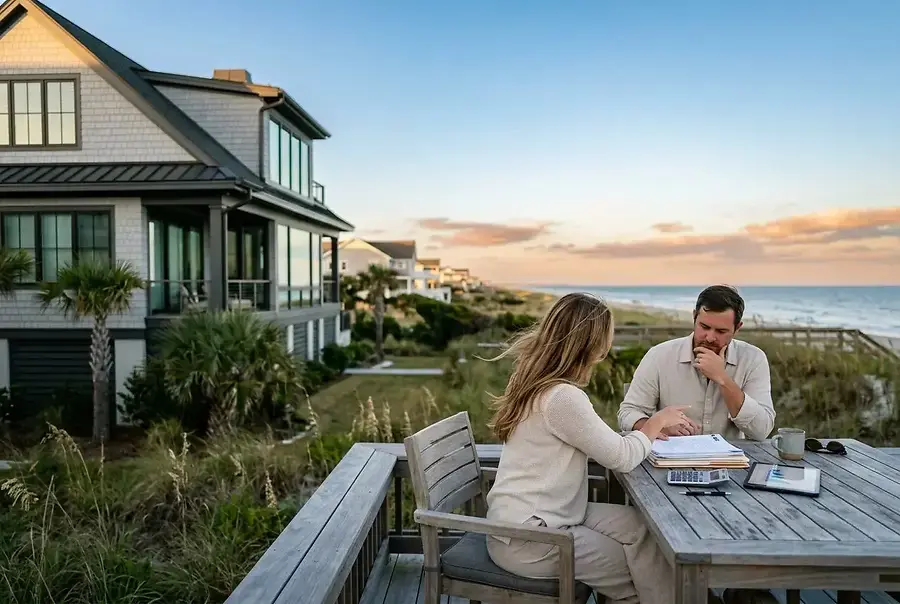
Understanding Total Cost of Ownership for Coastal Properties
When purchasing a home in coastal North Carolina, many buyers focus primarily on the purchase price. However, the true cost of homeownership extends far beyond the initial down payment. Total cost of ownership encompasses all expenses associated with buying, maintaining, and owning your property throughout the years.
Coastal properties in communities like Wrightsville Beach, Kure Beach, Wilmington, Carolina Beach, and Oak Island come with unique financial considerations. The proximity to the ocean, exposure to salt air, and vulnerability to weather events create additional expenses that inland homeowners rarely encounter. Understanding these costs upfront allows you to make informed decisions and avoid financial surprises.
The total cost of ownership typically includes:
- Purchase price and down payment
- Closing costs and financing fees
- Property taxes and insurance premiums
- Maintenance and repairs
- Homeowners association fees (if applicable)
- Utilities and ongoing operational costs
Property Taxes, Insurance, and Maintenance in Coastal NC Communities
Property Taxes in Coastal North Carolina
Property tax rates in coastal NC communities vary by county and municipality. New Hanover County, which includes Wrightsville Beach and Kure Beach, typically has competitive tax rates compared to other coastal regions. Wilmington and Carolina Beach also fall within this county, offering relatively consistent tax assessments. Oak Island, located in Brunswick County, may have different tax structures worth investigating.
Property taxes are calculated based on the assessed value of your home and the local tax rate. Coastal properties often command higher assessments due to their desirable locations and ocean views, directly impacting your annual tax obligations. Budget approximately 0.8% to 1.2% of your home's value annually for property taxes in these communities.
Homeowners Insurance Considerations
Homeowners insurance in coastal areas is significantly more expensive than inland properties. Wind and flood insurance are critical considerations for any coastal purchase. Standard homeowners policies typically exclude flood damage, requiring a separate flood insurance policy through the National Flood Insurance Program or private insurers.
Factors affecting your insurance premiums include:
- Proximity to the ocean and flood zone designation
- Home construction materials and age
- Roof condition and replacement cost
- Claims history and credit score
- Deductible amounts selected
Expect to pay 2-3 times more for insurance on coastal properties compared to similar inland homes. Properties in high-risk flood zones may face even steeper premiums or limited availability from insurers.
Maintenance and Repair Costs
Coastal environments accelerate wear and tear on residential properties. Salt air corrodes metal fixtures, siding, and roofing materials. Regular maintenance becomes essential to protect your investment and prevent costly repairs.
Common coastal maintenance expenses include:
- Roof inspections and repairs (every 3-5 years)
- Exterior painting and siding maintenance
- HVAC system servicing and replacement
- Deck and outdoor structure preservation
- Plumbing and foundation inspections
- Mold and moisture remediation
Budget 1-2% of your home's purchase price annually for maintenance and repairs. Coastal properties may require higher allocations due to environmental factors.
Closing Costs and Financing Options for Residential Buyers
Understanding Closing Costs
Closing costs represent the fees and expenses paid at the conclusion of your home purchase. These typically range from 2-5% of the purchase price and include various professional services and administrative fees.
Common closing cost components include:
- Loan origination fees (0.5-1% of loan amount)
- Appraisal fees ($300-$500)
- Title search and insurance ($500-$1,500)
- Home inspection ($300-$500)
- Survey fees ($200-$500)
- Attorney fees ($500-$1,500)
- Property taxes and insurance prepayment
- HOA transfer and inspection fees
In North Carolina, buyers and sellers typically negotiate who pays certain closing costs. Working with an experienced real estate agent familiar with coastal communities can help you understand local customs and negotiate favorable terms.
Financing Options and Mortgage Considerations
Securing financing for coastal properties may present unique challenges. Some lenders impose stricter requirements for properties in flood zones or with higher insurance costs. Shopping around with multiple lenders is essential to find competitive rates and favorable terms.
Consider these financing options:
- Conventional loans (typically 3-20% down payment)
- FHA loans (lower down payment, mortgage insurance required)
- VA loans (for eligible veterans)
- Jumbo loans (for properties exceeding conventional limits)
Pre-approval is crucial before making offers on coastal properties. It demonstrates serious intent to sellers and helps you understand your true buying power after accounting for all associated costs.
Planning Your Complete Budget as a Coastal NC Homebuyer
Creating a Comprehensive Budget
Successful coastal homebuyers develop detailed budgets that account for all expenses beyond the purchase price. Start by calculating your total available funds, including down payment savings and closing cost reserves.
A practical budgeting approach includes:
- Down payment: 10-20% of purchase price
- Closing costs: 2-5% of purchase price
- Inspection and appraisal: $800-$1,200
- First year insurance and taxes: Budget separately based on property location
- Emergency fund: 3-6 months of mortgage, taxes, and insurance
Long-Term Financial Planning
Beyond the initial purchase, plan for ongoing expenses throughout your ownership. Coastal properties require consistent investment to maintain value and protect against environmental damage.
Establish separate savings accounts for:
- Annual property tax payments
- Insurance premium increases
- Maintenance and repair reserves
- Roof replacement (typically 15-20 years)
- HVAC system replacement (typically 10-15 years)
Working with a financial advisor familiar with coastal real estate can help you develop a comprehensive long-term strategy. They can assist with mortgage selection, insurance optimization, and maintenance planning to maximize your investment.
Making Your Decision
Purchasing a home in coastal North Carolina is an exciting investment. By understanding and planning for all associated costs—from property taxes and insurance to maintenance and repairs—you position yourself for financial success. Take time to research specific communities like Wrightsville Beach, Kure Beach, Wilmington, Carolina Beach, and Oak Island to understand their unique cost structures.
The key to successful coastal homeownership is preparation. Request detailed cost estimates from lenders, insurance agents, and local tax assessors. Compare properties not just on purchase price, but on total cost of ownership. With thorough planning and realistic budgeting, your coastal North Carolina home can be both a wonderful place to live and a sound financial investment.


