Home Buying Timeline: What to Expect When Purchasing in the Twin Cities
A step-by-step guide to understanding the home buying process in Minneapolis, Saint Paul, and surrounding communities.

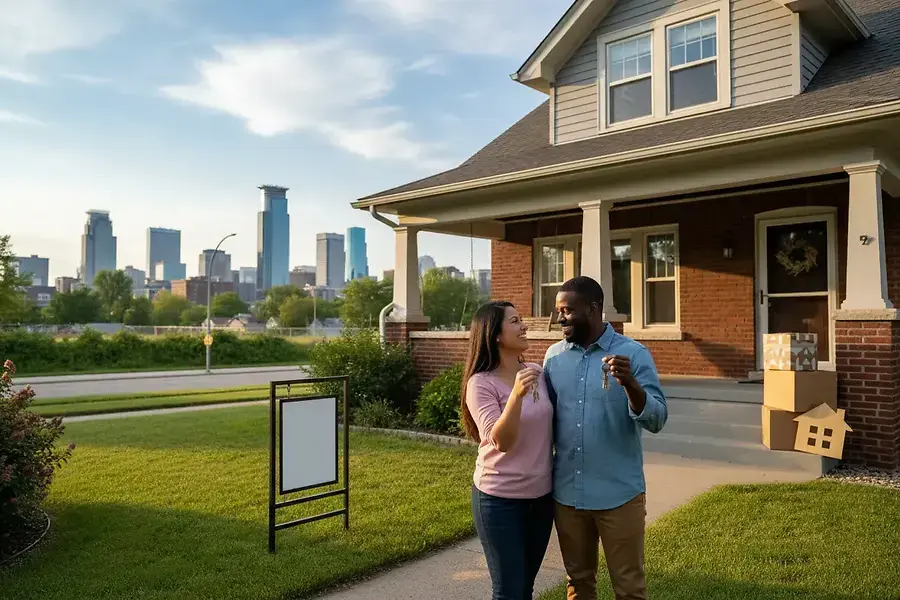
Understanding the Twin Cities Real Estate Market Landscape
The Twin Cities real estate market is one of the most dynamic and competitive in the Midwest. Before diving into the home buying process, it's essential to understand what makes this market unique and how it affects your purchasing decisions.
Market Characteristics
Minneapolis and Saint Paul offer diverse neighborhoods with varying price points, from affordable starter homes to luxury properties. The market experiences seasonal fluctuations, with spring and summer typically seeing increased activity. Understanding these patterns helps you time your purchase strategically and potentially negotiate better terms.
The Twin Cities market is characterized by:
- Strong job growth in healthcare, technology, and finance sectors
- Excellent schools and family-friendly communities
- Diverse neighborhood options from urban to suburban settings
- Competitive but fair pricing compared to national averages
Getting Pre-Approved
Before you start house hunting, obtain a pre-approval letter from a lender. This shows sellers you're a serious buyer and gives you a clear budget to work with. Pre-approval typically takes 3-5 business days and requires documentation of income, assets, and credit history.
Key Steps in the Home Purchase Journey
Step 1: Find a Real Estate Agent
A knowledgeable Twin Cities real estate agent is invaluable. They understand local market trends, neighborhood characteristics, and can guide you through the entire process. Choose an agent who specializes in your desired area and has a proven track record of successful transactions.
Step 2: House Hunting and Making an Offer
Once you're pre-approved, the fun begins! Your agent will show you properties matching your criteria. When you find the right home, your agent will help you craft a competitive offer that considers comparable sales, market conditions, and your budget.
Key elements of an offer include:
- Purchase price
- Earnest money deposit (typically 1-3% of purchase price)
- Contingencies (inspection, appraisal, financing)
- Proposed closing date
- Any requested repairs or credits
Step 3: Home Inspection and Appraisal
After your offer is accepted, schedule a professional home inspection within 7-10 days. The inspector examines the property's structural integrity, systems, and components. This is your opportunity to identify any issues before finalizing the purchase.
Simultaneously, the lender orders an appraisal to ensure the property's value supports the loan amount. If the appraisal comes in lower than expected, you may need to renegotiate or increase your down payment.
Step 4: Title Search and Insurance
A title company conducts a thorough search to ensure the seller has clear ownership and no liens exist against the property. Title insurance protects you from future ownership disputes and is typically required by lenders.
Local Financing Options and Mortgage Considerations
Understanding Your Mortgage Options
The Twin Cities has numerous lenders offering various mortgage products. Common options include:
- Conventional Loans: Traditional mortgages requiring 3-20% down payment
- FHA Loans: Government-backed loans with lower down payment requirements (3.5%)
- VA Loans: Available to veterans with favorable terms
- USDA Loans: For rural properties with no down payment required
Working with Local Lenders
Minnesota-based lenders often have deep knowledge of the Twin Cities market and may offer competitive rates. Shop around with multiple lenders to compare rates, fees, and terms. Don't forget to ask about local first-time homebuyer programs that may offer down payment assistance or favorable rates.
Closing Costs and Budget Planning
Closing costs typically range from 2-5% of the purchase price and include:
- Loan origination fees
- Appraisal and inspection fees
- Title insurance and search fees
- Property taxes and homeowners insurance
- HOA fees (if applicable)
Budget for these costs early in the process to avoid surprises at closing. Your lender will provide a Closing Disclosure at least three days before closing, detailing all final costs.
Closing the Deal: Final Steps to Homeownership
Final Walkthrough
Typically 24 hours before closing, conduct a final walkthrough to verify that agreed-upon repairs were completed and the property is in the expected condition. Ensure all agreed-upon items are present (appliances, fixtures, etc.).
Closing Day
On closing day, you'll meet with the title company or attorney to sign documents. This process typically takes 1-2 hours. You'll sign:
- The promissory note (your loan obligation)
- The mortgage or deed of trust (lender's security interest)
- The deed (ownership transfer)
- Various disclosures and affidavits
Funding and Recording
After signing, the lender funds the loan, and the title company records the deed with the county. Once recorded, you officially own the property. You'll receive the keys and can begin moving into your new Twin Cities home!
Post-Closing Considerations
After closing, remember to:
- Update your address with the post office and utilities
- Set up homeowners insurance
- Register for property tax information
- Plan for home maintenance and repairs
- Consider joining neighborhood associations
The entire home buying process in the Twin Cities typically takes 30-45 days from offer acceptance to closing. However, this timeline can vary based on market conditions, financing complexity, and inspection findings.
Final Thoughts
Purchasing a home in the Twin Cities is an exciting milestone. By understanding each step of the process, working with experienced professionals, and staying organized, you'll be well-prepared to navigate this significant investment. Whether you're a first-time buyer or experienced homeowner, the Twin Cities market offers wonderful opportunities to find your perfect home.


