Home Inspection Checklist for Branford Buyers: What You Need to Know
Learn the critical inspection points every Branford homebuyer should know to protect their investment.

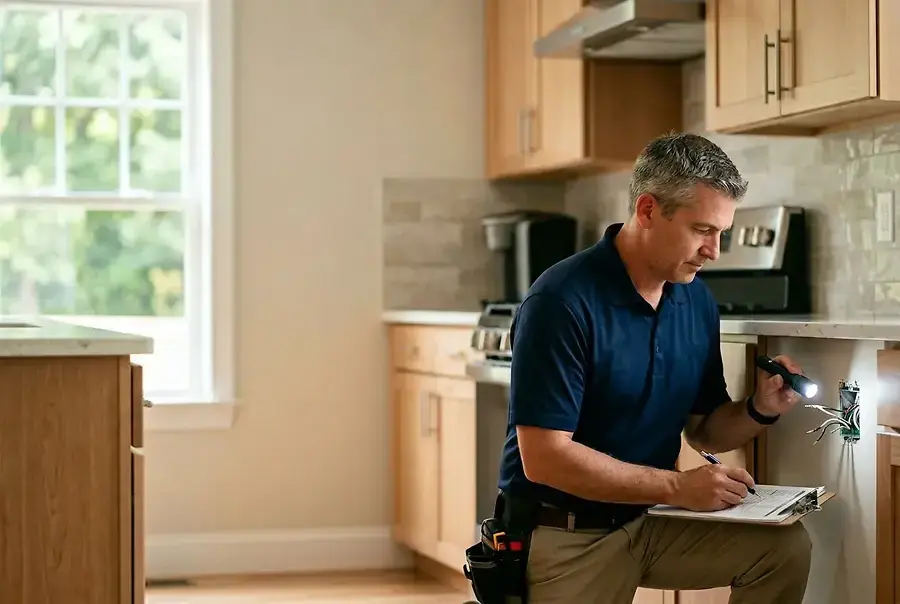
Why Home Inspections Matter in Branford's Real Estate Market
Purchasing a home is one of the most significant investments you'll make in your lifetime. In Branford's competitive real estate market, a thorough home inspection is not just a formality—it's a critical safeguard for your financial future. A professional home inspection can reveal hidden problems that might cost thousands to repair, allowing you to negotiate better terms or walk away from a problematic property.
Many first-time homebuyers underestimate the importance of inspections, viewing them as an unnecessary expense. However, the average home inspection costs between $300 and $500, a small price compared to the potential cost of undiscovered structural damage, electrical hazards, or plumbing issues. In Branford, where homes range from historic properties to modern constructions, understanding what to look for during an inspection is essential.
Key Structural and Systems to Inspect in Connecticut Homes
Foundation and Structural Integrity
The foundation is the backbone of any home. During your inspection, look for cracks in the foundation, signs of water damage, or settling issues. Connecticut's freeze-thaw cycles can be particularly harsh on foundations, causing expansion and contraction that leads to cracks over time. A professional inspector will assess whether cracks are cosmetic or structural, which is crucial information for your purchase decision.
Roofing and Exterior
The roof protects everything beneath it, making its condition paramount. Inspectors should examine:
- Shingle condition and age
- Flashing around chimneys and vents
- Gutters and downspouts
- Signs of leaks or water damage in the attic
- Exterior siding for rot or damage
Connecticut's weather patterns demand a well-maintained roof. If the roof is nearing the end of its lifespan, factor replacement costs into your offer.
Electrical Systems
Outdated electrical systems are common in older Branford homes. Your inspector should verify that the electrical panel is up to code, check for proper grounding, and ensure outlets are safely installed. Aluminum wiring, found in many homes built in the 1960s and 1970s, can pose fire hazards and should be identified during inspection.
Plumbing and Water Systems
Water damage is one of the costliest issues homeowners face. Inspectors will check:
- Water pressure and flow
- Pipe material and condition
- Signs of leaks or corrosion
- Water heater age and functionality
- Septic system condition (if applicable)
HVAC Systems
Heating and cooling systems are essential in Connecticut's climate. Your inspector should verify that the furnace or heat pump is functioning properly, check the age of the system, and assess whether it's appropriately sized for the home. A failing HVAC system can be expensive to replace, so understanding its condition is vital.
Common Issues Found in Branford Properties and How to Address Them
Moisture and Mold
Branford's proximity to the coast and Connecticut's humid climate make moisture issues common. Mold growth, water stains, and dampness in basements or crawl spaces are red flags. If detected, you may need to hire a mold specialist for further assessment. Don't ignore these signs—they can affect your family's health and the home's structural integrity.
Outdated Systems
Many Branford homes are decades old and may have outdated electrical, plumbing, or heating systems. While older homes have charm, they often require modernization. Budget for potential upgrades to meet current safety codes and improve energy efficiency.
Pest Damage
Termites, carpenter ants, and other pests can cause significant structural damage. A thorough inspection should include a pest assessment. If damage is found, obtain quotes for treatment and repair before finalizing your purchase.
Poor Ventilation and Insulation
Inadequate insulation and ventilation lead to higher energy bills and potential moisture problems. Your inspector should evaluate attic ventilation, insulation levels, and whether the home is properly sealed against air leaks. These issues are often correctable but should factor into your negotiation.
Asbestos and Lead Paint
Homes built before the 1980s may contain asbestos in insulation, floor tiles, or roofing materials. Similarly, homes built before 1978 likely have lead-based paint. While these materials aren't always dangerous if undisturbed, their presence should be documented. Professional remediation may be necessary if you plan renovations.
Making Informed Decisions with Professional Inspection Guidance
Once your inspection is complete, you'll receive a detailed report. Don't skip reading it—this document is your roadmap to understanding the property's condition. Work with your real estate agent to prioritize findings and determine which issues are deal-breakers versus those you can address after purchase.
Use inspection findings as a negotiation tool. Sellers may offer credits for repairs, reduce the asking price, or complete repairs before closing. Some issues warrant walking away entirely, while others are manageable with proper planning and budgeting.
Remember, a home inspection protects your investment and gives you peace of mind. In Branford's real estate market, informed buyers make better decisions. Take the inspection seriously, ask questions, and don't hesitate to request a second opinion on significant issues. Your future self will thank you for the diligence you invest today.


