Home Inspection Checklist: What Every Cedar Rapids Buyer Needs to Know
Learn what professional inspectors evaluate and how to protect your investment before closing.

Why Home Inspections Matter in Cedar Rapids
Purchasing a home is one of the most significant financial decisions you'll make. In Cedar Rapids, where homes range from historic Victorian properties to modern suburban developments, a professional home inspection is your best defense against costly surprises after closing. A thorough inspection can reveal hidden problems that might not be visible during a casual walkthrough, potentially saving you thousands of dollars in unexpected repairs.
Home inspections serve as an objective evaluation of a property's condition. They provide you with detailed documentation of the home's structural integrity, mechanical systems, and overall safety. This information empowers you to make informed decisions about whether to proceed with the purchase, negotiate repairs, or request a price reduction.
Key Areas Inspectors Evaluate in Cedar Rapids Homes
Foundation and Structural Components
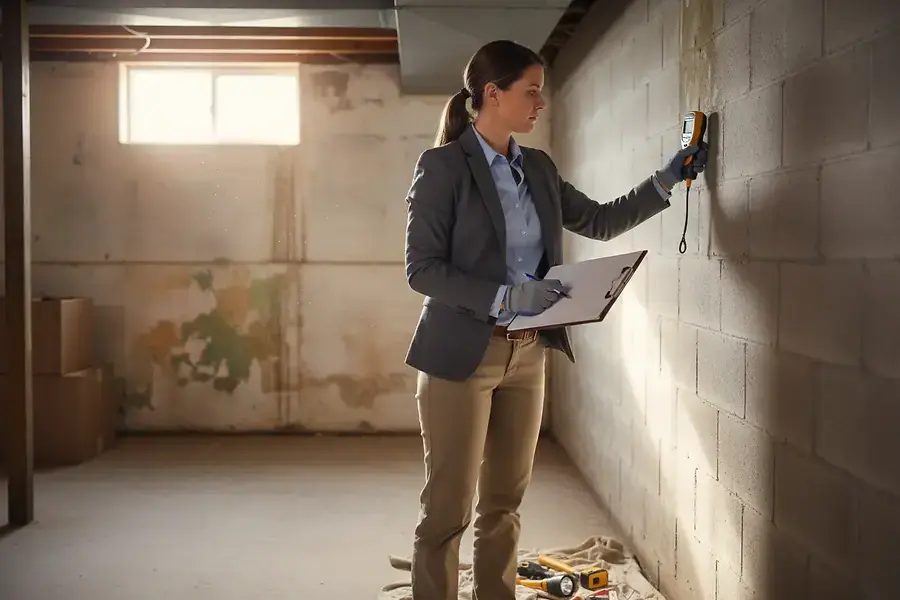
Cedar Rapids' climate and soil conditions make foundation inspection particularly important. Inspectors examine the foundation for cracks, settling, and water damage. They assess basement walls, crawl spaces, and the overall structural integrity of the home. Look for signs of water intrusion, which is common in older Cedar Rapids homes.
Roofing and Exterior
The roof is your home's first line of defense against the elements. Inspectors evaluate:
- Roof age and remaining lifespan
- Shingle condition and missing pieces
- Flashing around chimneys and vents
- Gutters and downspout functionality
- Siding condition and potential water damage
- Windows and door seals
Cedar Rapids homes often experience harsh winters, making roof condition critical for long-term protection.
Plumbing Systems
Inspectors test water pressure, check for leaks, and evaluate the condition of pipes. They examine:
- Water heater age and functionality
- Drain systems and potential blockages
- Presence of outdated materials like galvanized pipes
- Sump pump operation (if applicable)
- Septic system condition (for rural properties)
Electrical Systems
Electrical safety is non-negotiable. Inspectors verify that the electrical panel is properly grounded, check for adequate outlets, and identify any outdated wiring. They look for potential fire hazards and ensure the home meets current electrical codes.
HVAC and Climate Control
Heating and cooling systems are essential in Cedar Rapids. Inspectors evaluate furnace age, air conditioning efficiency, and ductwork condition. They test thermostat functionality and assess whether the system adequately heats and cools the entire home.
Interior Conditions
Inspectors examine:
- Walls and ceilings for water stains or damage
- Flooring condition and potential hazards
- Doors and windows operation
- Insulation levels in attic spaces
- Presence of mold or pest damage
Red Flags and How to Negotiate Repairs
Common Issues in Cedar Rapids Homes
Certain problems appear frequently in Cedar Rapids properties due to the region's climate and age of housing stock:
- Water damage and moisture issues: Basements and crawl spaces are vulnerable to water intrusion during heavy rains and spring thaw.
- Roof deterioration: Harsh winters accelerate roof aging and shingle damage.
- Outdated electrical systems: Older homes may have insufficient capacity for modern electrical demands.
- Aging HVAC systems: Furnaces and air conditioners nearing the end of their lifespan require replacement.
- Plumbing concerns: Galvanized pipes and outdated plumbing fixtures are common in older homes.
Negotiation Strategies
Once you receive the inspection report, you have several options:
Request repairs: Ask the seller to fix identified issues before closing. This works best for significant problems that affect safety or home value.
Negotiate a price reduction: If repairs are extensive, request a credit toward closing costs or a lower purchase price. This allows you to hire contractors of your choice.
Request a timeline for repairs: For minor issues, you might accept the seller's promise to complete repairs within a specified timeframe after closing.
"The inspection period is your opportunity to uncover problems and address them before you own the property. Don't skip this crucial step."
When negotiating, prioritize safety issues and major systems over cosmetic concerns. A roof leak or electrical hazard takes precedence over outdated paint or flooring.
When to Walk Away
Some inspection findings may indicate that a property isn't worth pursuing. Consider walking away if:
- Foundation damage is severe and expensive to repair
- Mold contamination is extensive
- Major systems (roof, HVAC, plumbing) require immediate replacement
- The total repair costs exceed your budget or the home's market value
Making Informed Decisions as a Cedar Rapids Buyer
A professional home inspection is an investment in your peace of mind. By understanding what inspectors evaluate and knowing how to interpret their findings, you protect yourself from costly surprises and make confident decisions about your Cedar Rapids home purchase.
Always hire a certified, experienced inspector who understands the unique challenges of homes in the Cedar Rapids area. Ask for a detailed written report with photographs and recommendations. Use this information to negotiate effectively and ensure you're making a sound investment.
Remember, no home is perfect, but a thorough inspection helps you understand exactly what you're buying and what maintenance or repairs lie ahead. This knowledge empowers you to move forward with confidence in your Cedar Rapids real estate investment.


