Home Inspection Checklist: What Every Cincinnati Buyer Must Know
Master the essential inspection points that protect your investment and reveal hidden issues before closing day.

Understanding the Home Inspection Process and Why It Matters
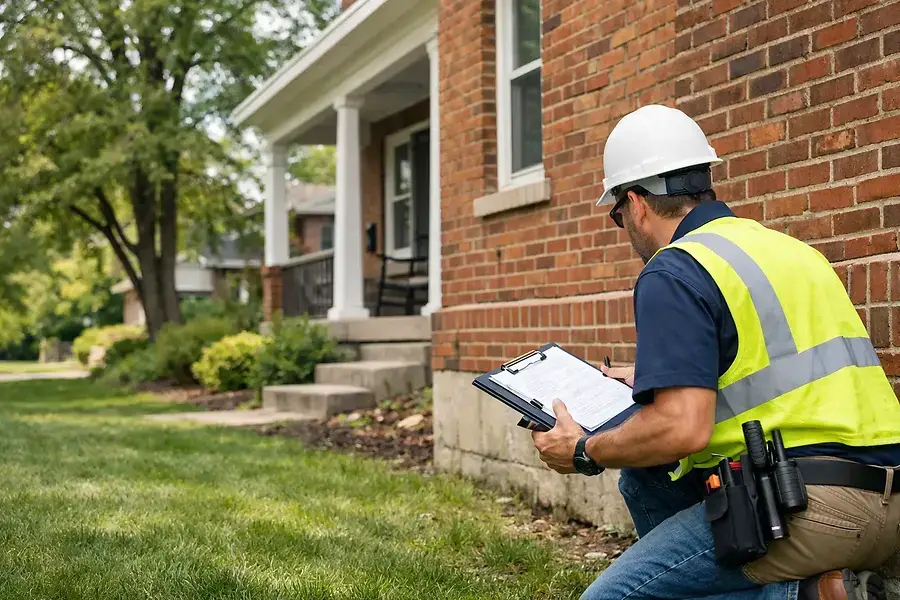
A home inspection is one of the most critical steps in the homebuying process. This professional evaluation examines the property's condition, identifying potential problems that could affect your safety, comfort, and financial investment. In Cincinnati's diverse housing market, where homes range from historic Victorian properties to modern suburban developments, a thorough inspection is essential.
During a typical inspection, a certified inspector will spend 2-3 hours examining your potential new home. They'll document findings in a detailed report that becomes your roadmap for negotiations and future maintenance. Never skip this step—even if a property appears to be in excellent condition, hidden issues can lurk behind walls and under foundations.
Why Cincinnati Buyers Need Specialized Knowledge
Cincinnati's climate and aging housing stock present unique challenges. The region experiences significant temperature fluctuations and humidity levels that can impact home systems differently than other areas. Understanding these local factors helps you ask the right questions during your inspection.
Critical Systems and Structural Elements to Evaluate
Foundation and Structural Integrity
The foundation is your home's backbone. Inspectors will look for:
- Cracks in the foundation walls or basement floors
- Signs of water intrusion or moisture damage
- Settling or shifting that could indicate serious problems
- Proper grading around the foundation to direct water away
Cincinnati's clay-heavy soil can cause foundation movement over time, making this inspection particularly important for local buyers.
Roofing and Exterior
Your roof protects everything beneath it. The inspector will evaluate:
- Shingle condition, age, and remaining lifespan
- Flashing around chimneys, vents, and skylights
- Gutters and downspouts for proper drainage
- Siding, trim, and exterior caulking
Electrical Systems
A safe electrical system is non-negotiable. Inspectors check:
- Panel capacity and condition
- Proper grounding and bonding
- GFCI outlets in kitchens and bathrooms
- Outdated wiring that may pose fire hazards
Plumbing and Water Systems
Water-related issues are among the most expensive to repair. The inspection covers:
- Water pressure and flow rates
- Pipe material and condition (galvanized, copper, PVC)
- Water heater age and functionality
- Drainage and septic systems
HVAC Systems
Heating and cooling systems require regular maintenance. Inspectors assess:
- Furnace and air conditioner age and condition
- Proper ventilation and ductwork
- Thermostat functionality
- Maintenance history and remaining lifespan
Common Cincinnati Home Issues and How to Address Them
Water Damage and Basement Issues
Cincinnati's humid climate and heavy rainfall make water intrusion a common problem. Look for:
- Efflorescence (white mineral deposits) on basement walls
- Musty odors indicating mold or mildew
- Previous water stains or damage
- Inadequate sump pump systems
Solution: Budget for waterproofing improvements or negotiate credits from the seller for necessary repairs.
Aging Roofs and Gutters
Many Cincinnati homes have roofs nearing the end of their lifespan. If your inspection reveals a roof older than 20 years, factor replacement costs into your decision. Ensure gutters are properly maintained to prevent water damage.
Outdated Electrical Panels
Older homes may have Federal Pacific Electric (FPE) or Zinsco panels, which are known fire hazards. These require replacement, which can cost $1,500-$3,000. This is a safety issue that shouldn't be ignored.
Galvanized Plumbing
Homes built before the 1970s often have galvanized steel pipes that corrode over time. While not an immediate emergency, plan for eventual replacement with copper or PEX piping.
Using Inspection Findings to Negotiate and Make Informed Decisions
Reviewing Your Inspection Report
Once you receive the inspection report, take time to understand it thoroughly. Reports typically categorize issues as:
- Major concerns: Safety hazards or expensive repairs needed soon
- Minor concerns: Items that need attention but aren't urgent
- Maintenance recommendations: Regular upkeep suggestions
Negotiation Strategies
Armed with inspection findings, you have several options:
- Request repairs: Ask the seller to fix major issues before closing
- Negotiate credits: Receive money at closing to handle repairs yourself
- Request price reduction: Lower the offer based on repair costs
- Walk away: If issues are too extensive, you can terminate the contract
Pro tip: Get repair estimates from licensed contractors before negotiating. This gives you concrete numbers to discuss with the seller's agent.
Making Your Final Decision
Consider the total cost of ownership, not just the purchase price. A cheaper home with significant repair needs may cost more in the long run. Factor in:
- Immediate safety concerns
- Long-term repair costs
- Your ability and willingness to handle renovations
- The home's overall value after repairs
A thorough home inspection empowers you to make informed decisions about one of life's largest investments. By understanding what inspectors look for and how to use their findings, Cincinnati homebuyers can protect themselves from costly surprises and negotiate confidently. Don't let inspection day be a formality—engage with the process, ask questions, and use the information to secure the best possible outcome for your new home.


