Home Inspection Checklist: What Every Gilbert Homebuyer Needs to Know
Protect your investment by understanding what inspectors look for and red flags that could cost you thousands.

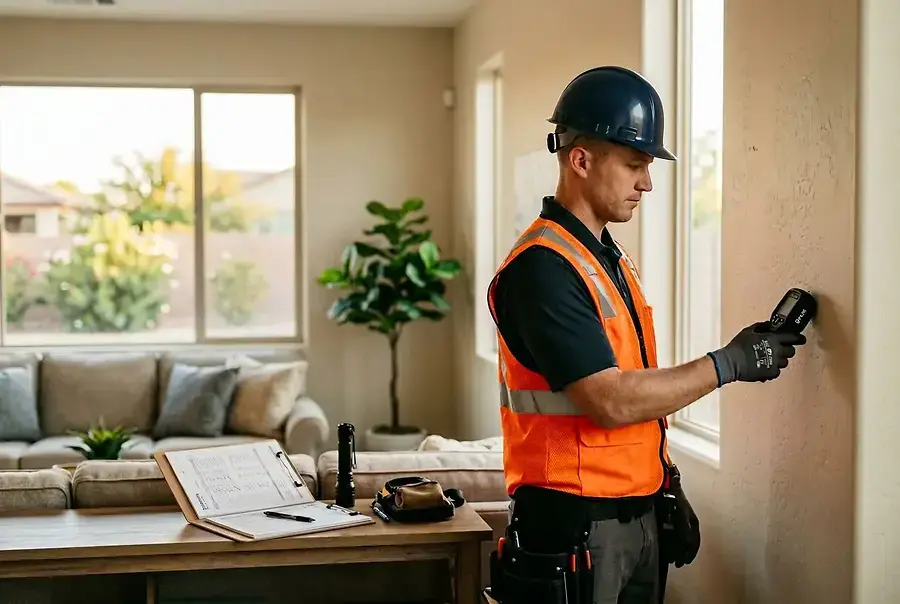
Understanding the Home Inspection Process
A home inspection is one of the most critical steps in the homebuying process. This thorough evaluation of a property's condition helps you make an informed decision about your investment. In Gilbert, professional home inspectors typically spend 2-4 hours examining every accessible part of the home, from the foundation to the roof.
During the inspection, you have the right to be present and ask questions. The inspector will provide a detailed report documenting their findings, which can be used to negotiate repairs or credits with the seller. Understanding what inspectors look for can help you prepare questions and identify potential issues early.
What to Expect During the Inspection
Professional inspectors follow a systematic approach, examining the home's structural components, mechanical systems, and safety features. They use specialized tools and equipment to assess conditions that aren't visible to the naked eye. The inspection typically includes both interior and exterior evaluations, with the inspector taking photos and notes throughout the process.
Key Areas Inspectors Evaluate
Structural Components
Inspectors carefully examine the foundation, walls, and roof structure for signs of damage or deterioration. In Gilbert's climate, foundation issues can develop due to soil movement and temperature fluctuations. They look for:
- Cracks in the foundation or basement walls
- Signs of water damage or moisture intrusion
- Roof condition, including shingles and flashing
- Attic ventilation and insulation levels
Mechanical Systems
The heating, cooling, and plumbing systems are critical to home functionality. Inspectors test these systems to ensure they operate properly and safely. Key evaluations include:
- HVAC System: Age, maintenance history, and operational efficiency
- Plumbing: Water pressure, drainage, and pipe condition
- Electrical System: Panel condition, outlet safety, and code compliance
- Water Heater: Age, capacity, and proper functioning
Safety Features
Inspectors verify that safety systems are present and functional. This includes checking for smoke detectors, carbon monoxide detectors, and proper electrical grounding. They also assess stair railings, deck safety, and window operation.
Exterior Elements
The home's exterior protects everything inside. Inspectors examine:
- Siding condition and potential water intrusion points
- Windows and doors for proper sealing and operation
- Gutters and downspouts for proper drainage
- Driveway and walkway condition
- Landscaping and grading for water management
Common Issues Found in Gilbert Homes
Arizona-Specific Concerns
Gilbert's desert climate presents unique challenges for homeowners. Extreme heat, dry conditions, and occasional monsoon storms can accelerate wear and tear on homes. Common issues include:
- Roof damage: Sun exposure and thermal stress cause premature deterioration
- Foundation cracks: Soil expansion and contraction in the heat
- AC system strain: Overworked cooling systems in extreme temperatures
- Monsoon damage: Water intrusion from heavy rains and wind
Age-Related Issues
Older homes in Gilbert may have outdated systems or materials that need replacement. Inspectors frequently find:
- Outdated electrical wiring that doesn't meet current codes
- Plumbing with corroded pipes or outdated materials
- Aging HVAC systems nearing the end of their lifespan
- Roofs that have exceeded their expected life
Maintenance Neglect
Properties that haven't received proper maintenance often reveal multiple issues. Common findings include clogged gutters, unmaintained landscaping affecting drainage, dirty HVAC filters, and deferred repairs. These issues can compound over time, creating more expensive problems.
Pro Tip: Ask the seller for maintenance records and receipts for any recent repairs. This documentation can provide valuable insight into the home's condition and care history.
Next Steps After Your Inspection Report
Reviewing the Report
Take time to carefully review the inspection report with your real estate agent. Understand the severity of each issue—inspectors typically categorize findings as minor, moderate, or major concerns. Don't panic about every item listed; some issues are normal wear and tear.
Prioritizing Issues
Focus on major structural problems, safety hazards, and expensive system failures. Minor cosmetic issues or routine maintenance items are typically the buyer's responsibility after closing. Consider which issues are deal-breakers and which you're willing to address yourself.
Negotiation Strategies
Use the inspection report as a negotiation tool. You can request that the seller:
- Make repairs before closing
- Provide credits toward closing costs
- Offer price reductions for major issues
- Provide warranties for recently repaired systems
Getting Additional Inspections
For significant concerns, consider hiring specialists. A foundation engineer, pest inspector, or HVAC specialist can provide detailed assessments of specific systems. These additional inspections cost money but can save thousands by identifying hidden problems.
Making Your Final Decision
After reviewing all inspection findings and getting additional evaluations if needed, you're in a better position to make an informed decision. Weigh the cost of repairs against the home's overall value and your budget. Remember, no home is perfect—the goal is understanding what you're buying and planning accordingly.
A thorough home inspection protects your investment and gives you peace of mind. By understanding what inspectors evaluate and knowing what to look for, you can make a confident decision about your Gilbert home purchase.


