Home Inspection Checklist: What Every Holland, Michigan Buyer Needs to Know
Discover the critical inspection points that protect your investment and reveal hidden issues before closing day.

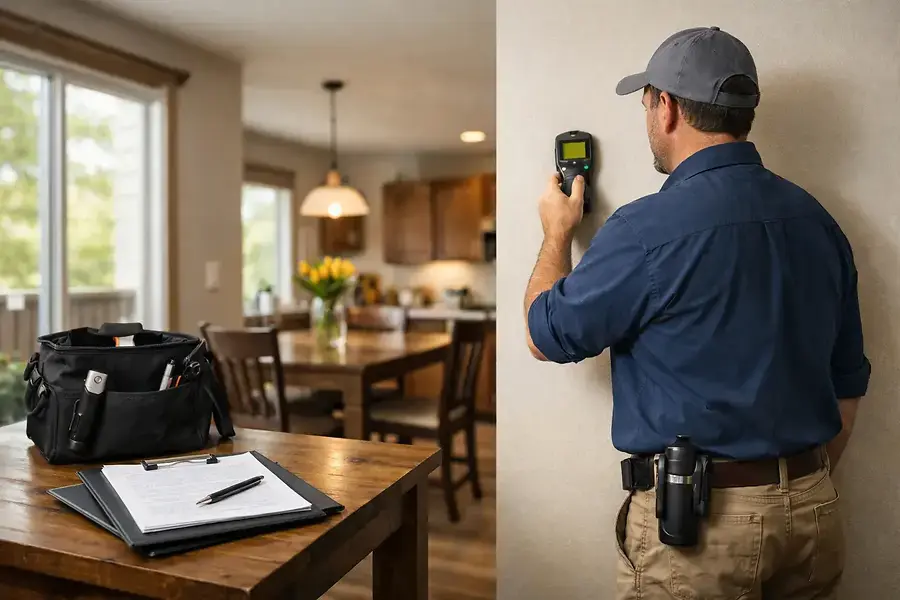
Why Home Inspections Matter in Holland's Residential Market
Purchasing a home is one of the most significant financial decisions you'll make in your lifetime. In Holland, Michigan's competitive real estate market, a professional home inspection serves as your safeguard against costly surprises after closing. Many buyers overlook this critical step, only to discover expensive repairs months or years later.
A thorough home inspection provides you with detailed knowledge about your potential property's condition. This information empowers you to negotiate repairs, request credits, or make an informed decision about whether to proceed with the purchase. In Holland's climate, where homes face unique challenges from moisture, freeze-thaw cycles, and seasonal weather variations, inspections are particularly valuable.
Professional inspectors bring expertise that untrained eyes simply cannot provide. They identify issues hidden behind walls, under floors, and in attics that could cost thousands to repair. Whether you're buying a charming historic home or a modern suburban property, an inspection protects your investment.
Key Areas Inspectors Examine in Michigan Homes
Foundation and Structural Integrity
The foundation is your home's backbone. Inspectors carefully examine:
- Cracks in concrete or masonry
- Signs of water intrusion or moisture damage
- Settling or shifting patterns
- Basement wall conditions
- Proper grading around the foundation
Michigan's freeze-thaw cycles can be particularly harsh on foundations, making this inspection area especially important for Holland buyers.
Roofing and Exterior Systems
Your roof protects everything beneath it. Inspectors evaluate:
- Shingle condition and remaining lifespan
- Flashing around chimneys and vents
- Gutters and downspout functionality
- Siding integrity and water damage
- Windows and door seals
A failing roof can cost $10,000 or more to replace, making this assessment crucial for your budget planning.
Plumbing and Water Systems
Water-related issues are among the most expensive to repair. Inspectors check:
- Water pressure and flow rates
- Pipe material and condition (galvanized, copper, PEX)
- Presence of leaks or water stains
- Water heater age and functionality
- Sump pump operation
- Septic system condition (if applicable)
Older Holland homes may have outdated plumbing systems that require updates or replacement, which should factor into your purchase decision.
Electrical Systems
Electrical safety is non-negotiable. Inspectors examine:
- Panel capacity and condition
- Grounding and bonding
- Outlet and switch functionality
- Presence of aluminum wiring (a safety concern)
- GFCI protection in wet areas
- Overall code compliance
Electrical issues can pose serious safety hazards and may require expensive upgrades to meet current code standards.
HVAC and Climate Control
Heating and cooling systems are essential in Michigan. Inspectors assess:
- Furnace age and operational efficiency
- Air conditioning unit condition
- Ductwork integrity
- Thermostat functionality
- Ventilation adequacy
A failing furnace during a Michigan winter can be both uncomfortable and expensive, making this inspection critical.
Interior Condition and Safety
Inspectors also evaluate:
- Insulation levels and R-values
- Presence of mold or moisture issues
- Asbestos or lead paint (in older homes)
- Structural soundness of floors and walls
- Stair safety and railings
Red Flags and What They Mean for Your Purchase Decision
Major Structural Issues
Significance: Critical
Cracks in the foundation, bowing walls, or evidence of significant settling should raise serious concerns. These issues can be expensive to repair and may indicate ongoing problems. Request a structural engineer's evaluation before proceeding.
Water Damage and Moisture Problems
Significance: High
Water stains, mold growth, or musty odors suggest moisture intrusion. In Holland's climate, this is particularly concerning as it can lead to rot, mold, and structural damage. Budget for waterproofing and remediation.
Outdated Electrical Systems
Significance: High
Aluminum wiring, insufficient grounding, or an undersized panel may require expensive upgrades. Modern homes demand more electrical capacity than older systems provide.
Aging HVAC Systems
Significance: Medium to High
Furnaces and air conditioners typically last 15-20 years. If these systems are near the end of their lifespan, budget for replacement costs ranging from $5,000 to $15,000.
Plumbing Concerns
Significance: Medium to High
Galvanized pipes, slow drains, or low water pressure may indicate aging plumbing systems. Copper or PEX piping is preferable, and replacement can be costly.
Roofing Issues
Significance: Medium
Missing shingles, visible wear, or a roof nearing the end of its lifespan should be factored into your offer. Roof replacement is a significant expense.
Minor Cosmetic Issues
Significance: Low
Peeling paint, worn flooring, or outdated fixtures are cosmetic concerns you can address after purchase. These shouldn't derail a good property.
Making Informed Decisions Through Professional Inspections
A professional home inspection is an investment in peace of mind. The typical inspection costs $300-$500 but can save you thousands in unexpected repairs and help you negotiate better terms.
Use inspection results strategically: Request repairs for major issues, ask for credits toward closing costs, or renegotiate the purchase price based on findings. Some sellers may prefer to address issues before closing, while others may offer credits.
Don't skip the inspection to save money or speed up the closing process. The few hundred dollars spent on an inspection is minimal compared to the potential cost of hidden problems. In Holland's real estate market, informed buyers make better decisions and protect their investments for years to come.
Schedule your inspection early in the purchase process, attend the walkthrough if possible, and ask the inspector questions about any concerns. This knowledge empowers you to make the best decision for your family and your financial future.


