Home Inspection Checklist: What Every Houston Buyer Needs to Know
Learn what to expect during a home inspection and how to use results to negotiate better deals in Houston's competitive market.

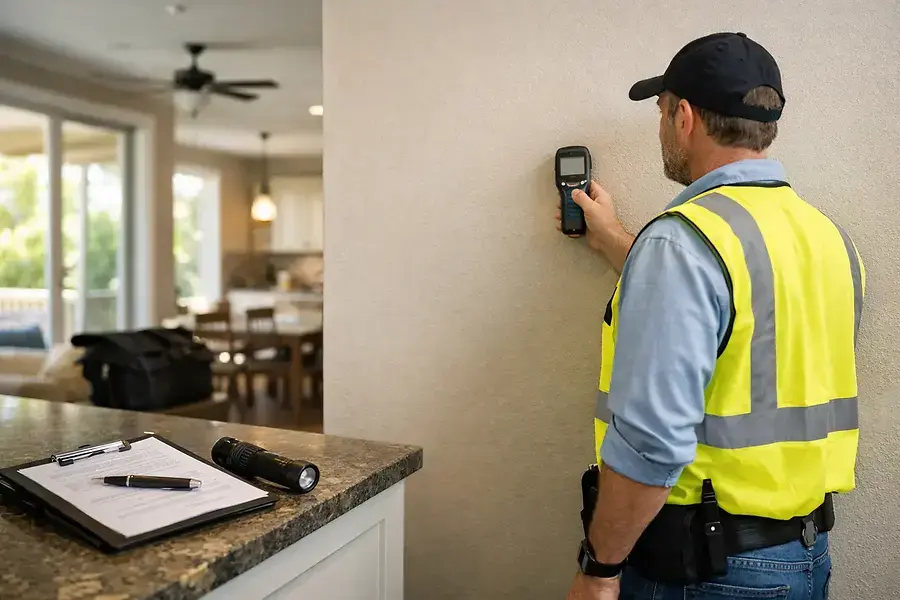
Why Home Inspections Matter in Houston's Real Estate Market
Purchasing a home is one of the most significant financial decisions you'll make, and in Houston's competitive real estate market, it's crucial to protect your investment. A professional home inspection is your opportunity to uncover potential issues before you commit to the purchase. Unlike an appraisal, which determines a property's value, an inspection examines the physical condition of the home and identifies any defects or maintenance concerns.
In Houston's climate, where homes face unique challenges from humidity, heat, and occasional flooding, a thorough inspection becomes even more critical. Many buyers skip or rush through inspections to stay competitive, but this can be a costly mistake. A comprehensive inspection report gives you leverage to negotiate repairs, request credits, or even walk away from a problematic property.
Common Issues Found in Houston Homes and What to Look For
Roof and Water Damage
Houston's intense sun and occasional severe weather make roof condition a top priority. Inspectors will check for:
- Missing or damaged shingles
- Signs of leaks or water stains on ceilings and walls
- Proper drainage and gutter condition
- Age of the roof (most roofs last 15-25 years)
Why it matters: Roof repairs or replacement can cost $5,000 to $15,000 or more, making this one of the most expensive issues to address.
Foundation and Structural Issues
Houston's clay soil can shift and settle, potentially causing foundation problems. Inspectors look for:
- Cracks in the foundation or basement walls
- Uneven floors or doors that don't close properly
- Signs of water intrusion or moisture
- Evidence of previous foundation repairs
Foundation issues are serious and can be expensive to repair, so this is an area where you'll want detailed documentation.
HVAC Systems
With Houston's hot, humid climate, air conditioning is essential. Inspectors will evaluate:
- Age and condition of the AC unit
- Proper cooling and heating function
- Ductwork condition and sealing
- Maintenance records and service history
Plumbing and Water Systems
Water-related issues are common in Houston homes. Inspectors check for:
- Water pressure and flow
- Signs of leaks under sinks and around toilets
- Water heater age and condition
- Proper drainage in bathrooms and kitchen
- Presence of outdated galvanized pipes
Electrical Systems
Safety is paramount when it comes to electrical systems. Inspectors examine:
- Panel condition and proper grounding
- Adequate outlets and proper spacing
- GFCI protection in wet areas
- Signs of outdated wiring or fire hazards
Working with Inspectors: Questions to Ask and Red Flags to Recognize
Questions to Ask Your Inspector
Don't be shy about asking questions during the inspection. Consider asking:
- "What are the most significant issues you've found?" This helps you prioritize concerns.
- "What is the expected lifespan of major systems?" Understanding when replacements might be needed helps with budgeting.
- "Are there any safety concerns I should know about?" Safety issues take priority over cosmetic problems.
- "What maintenance recommendations do you have?" Regular maintenance can prevent costly repairs.
- "Should I get a specialist inspection for any issues?" Sometimes additional inspections for termites, mold, or foundation issues are warranted.
Red Flags to Watch For
Be cautious if your inspector:
- Rushes through the inspection (a thorough inspection typically takes 2-4 hours)
- Doesn't provide a detailed written report
- Avoids answering your questions or seems dismissive
- Recommends specific contractors for repairs (potential conflict of interest)
- Doesn't use proper equipment or testing tools
A quality home inspection is an investment in your peace of mind and financial security. Don't compromise on this critical step in the home buying process.
Making Informed Decisions Based on Inspection Results
Understanding Your Report
Once you receive the inspection report, take time to review it carefully. Reports typically categorize issues by severity—from minor cosmetic concerns to major structural problems. Focus on items marked as "safety issues" or "major repairs needed."
Negotiation Strategies
Use your inspection results strategically:
- Request repairs: Ask the seller to fix major issues before closing.
- Ask for credits: Request a credit toward closing costs to handle repairs yourself.
- Renegotiate price: Use significant findings to justify a lower offer price.
- Walk away: If issues are too extensive or costly, you have the right to terminate the contract during the inspection period.
Planning for Future Maintenance
Even if you negotiate repairs, use the inspection report as a maintenance guide. Understanding your home's systems and their condition helps you plan for future upkeep and budget for replacements down the road.
A home inspection is your best defense against costly surprises after purchase. In Houston's competitive market, being informed and thorough gives you confidence in your decision and positions you to make smart negotiations. Take advantage of this critical step to ensure your new home is a sound investment.


