Home Inspection Checklist: What Every Scottsdale Buyer Should Know
Understand the critical inspection points that protect your investment and help you make confident purchasing decisions in Scottsdale.

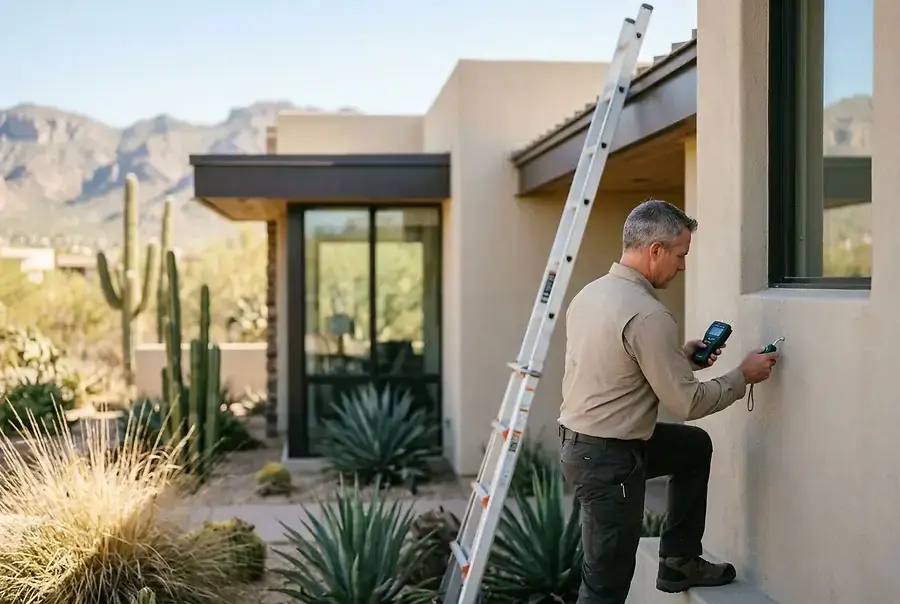
Introduction: Why Home Inspections Are Critical for Scottsdale Buyers
Purchasing a home in Scottsdale is one of the most significant investments you'll make in your lifetime. With the unique desert climate and specific construction challenges that come with Arizona properties, a thorough home inspection is not just recommended—it's essential. A professional inspection provides you with detailed insights into the property's condition, helping you avoid costly surprises and negotiate better terms with sellers.
Home inspections serve as your protection against hidden defects and structural issues that could cost thousands of dollars to repair after closing. In Scottsdale's hot, dry climate, certain problems are more prevalent than in other regions, making it crucial to know what to look for and what questions to ask.
Essential Areas Professional Inspectors Examine in Desert Properties
Roof and Exterior Structures
The roof is your home's first line of defense against the intense Arizona sun. Professional inspectors examine:
- Shingle condition and signs of deterioration from UV exposure
- Flashing integrity around vents, chimneys, and skylights
- Gutter systems and proper water drainage
- Signs of leaks or water damage in attic spaces
Desert sun can age roofing materials faster than in other climates, so understanding the roof's remaining lifespan is critical for budgeting future replacements.
HVAC and Cooling Systems
In Scottsdale, air conditioning isn't a luxury—it's a necessity. Inspectors evaluate:
- Age and efficiency of the air conditioning unit
- Proper refrigerant levels and system performance
- Ductwork condition and insulation
- Thermostat functionality and programming capabilities
A failing AC system in the Arizona heat can be an emergency expense. Knowing the unit's age and condition helps you plan for potential replacement costs.
Plumbing and Water Systems
Desert water is often mineral-rich, affecting plumbing longevity. Inspectors check:
- Water pressure and flow rates throughout the home
- Pipe material and signs of corrosion or mineral buildup
- Water heater age, condition, and capacity
- Septic systems or municipal water connections
- Pool and spa equipment if applicable
Foundation and Structural Integrity
Arizona's expansive soil and temperature fluctuations can stress foundations. Professional inspectors look for:
- Cracks in concrete slabs or foundation walls
- Signs of settling or structural movement
- Proper grading and drainage around the foundation
- Evidence of previous repairs or reinforcement
Electrical Systems
Older Scottsdale homes may have outdated electrical systems. Inspectors examine:
- Panel capacity and breaker functionality
- Proper grounding and bonding
- Outlet and switch safety compliance
- Signs of overheating or fire hazards
Common Issues Found in Scottsdale Homes and Negotiation Strategies
Pool and Spa Problems
Many Scottsdale homes feature pools and spas. Common issues include:
- Cracked or deteriorating pool decking
- Failing pool pumps or filtration systems
- Algae growth or water chemistry imbalances
- Structural cracks in the pool shell
Negotiation tip: Pool repairs can be expensive. Request the seller provide maintenance records and consider asking for a credit toward repairs or a price reduction.
Pest Damage and Termite Infestations
Arizona's warm climate attracts termites and other pests. If damage is found:
- Request a separate termite inspection report
- Negotiate for professional pest treatment before closing
- Ask for repairs to damaged wood structures
- Establish a pest control maintenance plan
Stucco and Exterior Finish Issues
Stucco is common in Scottsdale homes but can develop problems:
- Cracks that allow water infiltration
- Separation from underlying structures
- Inadequate waterproofing behind stucco
- Color fading and aesthetic deterioration
Stucco repairs can be costly. Use inspection findings to negotiate repair costs or request the seller address issues before closing.
Landscape and Irrigation Concerns
Desert landscaping requires specialized knowledge. Common issues include:
- Inefficient or broken irrigation systems
- Improper plant placement causing foundation issues
- Inadequate drainage in landscaped areas
- Water waste from outdated sprinkler systems
Effective Negotiation Strategies
Once your inspection is complete, use the findings strategically:
- Prioritize issues: Focus negotiations on major structural or safety concerns rather than minor cosmetic problems
- Get repair estimates: Obtain quotes from licensed contractors to support your negotiation requests
- Request credits: Ask for closing cost credits instead of repairs when appropriate
- Set deadlines: Establish clear timelines for repairs or inspections by the seller
- Know your limits: Understand when to walk away if issues are too extensive or costly
A thorough inspection report gives you leverage in negotiations and protects your investment from day one.
Conclusion: Using Inspection Results to Secure Your Best Deal
A comprehensive home inspection is your most valuable tool when purchasing a Scottsdale property. By understanding what inspectors look for and knowing the common issues specific to desert homes, you position yourself to make informed decisions and negotiate confidently.
Don't view inspection findings as deal-breakers—view them as opportunities to understand your investment fully and secure the best possible terms. Work with your real estate agent and inspector to prioritize concerns, gather supporting documentation, and negotiate repairs or credits that protect your financial interests.
Remember, the cost of a professional home inspection is minimal compared to the potential savings and peace of mind it provides. In Scottsdale's competitive real estate market, being informed and prepared gives you the confidence to make the right choice for your family and your future.


