Home Inspection Checklist: What Every Valrico Homebuyer Needs to Know
Master the critical inspection process to protect your investment and avoid costly surprises.

Understanding the Home Inspection Process in Valrico
Purchasing a home is one of the most significant investments you'll make in your lifetime. In Valrico, a thorough home inspection is a critical step in the buying process that can save you thousands of dollars in unexpected repairs and maintenance costs. A professional home inspection typically lasts two to three hours and involves a detailed examination of the property's structural components, systems, and overall condition.
During the inspection, a certified inspector will evaluate everything from the foundation to the roof, checking for signs of damage, wear, or potential issues. It's important to understand that a home inspection is not a pass-or-fail evaluation. Instead, it's a comprehensive assessment that identifies the current condition of the property and highlights any areas that may require attention or future repairs.
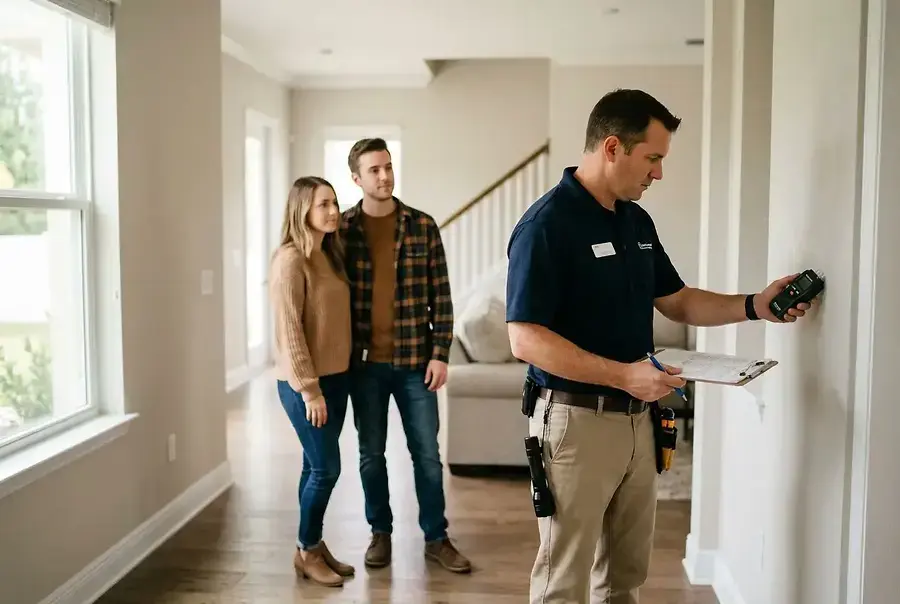
As a Valrico homebuyer, you have the right to be present during the inspection. Many experts recommend attending to ask questions and gain a better understanding of your potential new home. This hands-on approach allows you to learn about the property's systems and maintenance requirements directly from the professional inspector.
Key Areas Inspectors Evaluate and What They Mean for You
Structural Components
Inspectors carefully examine the foundation, walls, and roof structure for any signs of damage, settling, or deterioration. Foundation issues are particularly important because they can be extremely costly to repair. Look for cracks, water damage, or signs of movement that could indicate structural problems.
Roofing and Exterior
The roof is one of your home's most important protective features. Inspectors assess the roof's age, condition, and remaining lifespan. They also examine:
- Shingles or roofing materials for damage or wear
- Gutters and downspouts for proper drainage
- Exterior walls, siding, and trim for deterioration
- Windows and doors for proper sealing and operation
Plumbing Systems
Water-related issues can lead to significant damage and mold growth. Inspectors test water pressure, check for leaks, examine pipes for corrosion, and evaluate the water heater's condition and age. Pay special attention to any signs of water damage or moisture in crawl spaces and basements.
Electrical Systems
A thorough electrical inspection ensures your home is safe and up to code. Inspectors check the main panel, outlets, switches, and wiring for potential hazards. Outdated electrical systems may need upgrades to meet current safety standards.
HVAC Systems
Your heating, ventilation, and air conditioning systems are essential for comfort and air quality. Inspectors evaluate the age and condition of these systems, checking for proper operation and maintenance needs. Understanding the age of your HVAC equipment helps you budget for future replacements.
Interior Conditions
Inspectors also assess interior elements including:
- Insulation and ventilation
- Flooring conditions and potential hazards
- Walls and ceilings for water damage or cracks
- Appliances included in the sale
- Potential presence of asbestos, lead paint, or mold
How to Interpret Inspection Reports and Negotiate Repairs
Understanding the Report
Home inspection reports typically categorize findings into different severity levels. Major issues require immediate attention and can significantly impact the property's value. Minor issues are typically cosmetic or involve routine maintenance. Understanding these distinctions helps you prioritize concerns and make informed decisions.
A well-documented inspection report is your roadmap to understanding your potential home's condition and planning for future maintenance and repairs.
Negotiation Strategies
Once you receive the inspection report, you have several options:
- Request repairs: Ask the seller to fix major issues before closing
- Request credits: Negotiate a reduction in the purchase price to cover repair costs
- Request inspections: Ask for specialized inspections on specific systems or concerns
- Accept as-is: Proceed with the purchase knowing the property's condition
When negotiating, focus on major structural or system issues rather than minor cosmetic concerns. Sellers are more likely to address safety hazards or significant repairs than small maintenance items. Get repair estimates from licensed contractors to support your negotiation requests with concrete numbers.
Red Flags to Take Seriously
Certain findings warrant extra caution and professional consultation:
- Foundation cracks or settling issues
- Roof damage or nearing end of lifespan
- Plumbing or electrical code violations
- Evidence of water damage, mold, or pest infestation
- Outdated or unsafe systems
Moving Forward Confidently After Your Inspection
Making Your Final Decision
After reviewing the inspection report and negotiating any necessary repairs or credits, you're in a better position to make an informed decision about your Valrico home purchase. Consider the overall condition of the property, the cost of addressing identified issues, and your comfort level with the home's current state.
Planning for Future Maintenance
Use the inspection report as a maintenance guide for your new home. Create a timeline for addressing recommended repairs and schedule regular maintenance to prevent small issues from becoming major problems. Many inspectors provide recommendations for when systems should be serviced or replaced.
Building Your Support Team
Don't hesitate to consult with specialists for specific concerns. Licensed contractors, structural engineers, or pest control professionals can provide detailed assessments of particular issues identified in the inspection. These expert opinions can help you understand the true cost and urgency of repairs.
A home inspection is an investment in your peace of mind and financial security. By understanding the inspection process, knowing what inspectors evaluate, and learning how to interpret findings, you're taking control of one of the most important purchases of your life. Armed with this knowledge, you can move forward confidently in your Valrico home purchase, knowing you've done your due diligence to protect your investment.