Home Inspection Checklist: What Residential Buyers Must Verify
Discover the critical inspection points that protect your investment and prevent expensive surprises after closing.

Introduction: Why Home Inspections Matter for Residential Purchases
Purchasing a home is one of the most significant financial decisions you'll make in your lifetime. While it's easy to fall in love with a property's aesthetics and location, what lies beneath the surface—literally and figuratively—can make or break your investment. A thorough home inspection is your safeguard against inheriting costly repairs and structural problems that could drain your finances for years to come.
A professional home inspection provides an objective assessment of a property's condition, identifying issues that untrained eyes might miss. Whether you're a first-time buyer or an experienced investor, understanding what inspectors evaluate and what red flags to watch for empowers you to make informed decisions and negotiate effectively.
Key Systems to Evaluate: Structural, Electrical, Plumbing, and HVAC
Structural Integrity
The foundation and overall structure of a home are its backbone. Inspectors examine the foundation for cracks, settling, and water damage. They assess the roof condition, checking for missing shingles, leaks, and proper ventilation. A compromised foundation or roof can cost tens of thousands of dollars to repair, making this evaluation critical.
Key structural elements to verify include:
- Foundation cracks and signs of settling
- Roof age, condition, and remaining lifespan
- Walls for bowing, cracks, or water stains
- Attic ventilation and insulation
- Basement or crawl space moisture issues
Electrical Systems
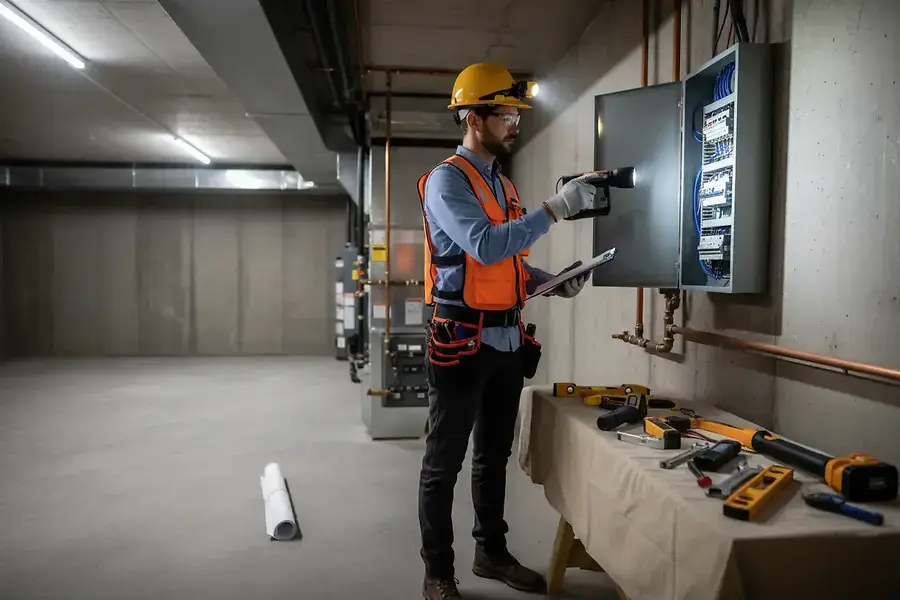
An outdated or faulty electrical system poses serious safety risks, including fire hazards and electrocution dangers. Inspectors evaluate the main electrical panel, wiring, outlets, and switches. They verify that the system meets current safety codes and can handle the home's electrical demands.
Outdated knob-and-tube wiring or aluminum wiring are particular concerns that may require complete rewiring—an expensive undertaking. The inspector will also check for:
- Proper grounding and bonding
- Adequate circuit capacity
- GFCI outlets in wet areas
- Proper labeling of breakers
- Signs of overheating or damage
Plumbing Systems
Water damage from plumbing issues can be catastrophic and expensive. Inspectors test water pressure, check for leaks, and assess the condition of pipes. They examine the water heater, septic system (if applicable), and drainage systems.
Common plumbing concerns include:
- Corroded or deteriorating pipes
- Water pressure inconsistencies
- Slow drains or signs of blockages
- Water heater age and condition
- Leaks under sinks or around toilets
- Improper venting or grading
HVAC Systems
Heating, ventilation, and air conditioning systems are essential for comfort and indoor air quality. Inspectors evaluate the furnace or heat pump, air conditioning unit, ductwork, and thermostat. Replacing an HVAC system can cost $5,000 to $15,000 or more, so understanding its condition is crucial.
HVAC inspection points include:
- Age and efficiency of heating and cooling units
- Proper airflow and ductwork condition
- Thermostat functionality
- Maintenance records and service history
- Refrigerant levels and leaks
Red Flags and Warning Signs That Require Professional Assessment
Water Damage and Moisture Issues
Water stains on ceilings, walls, or in basements indicate past or ongoing water intrusion. Mold growth, musty odors, and soft spots in flooring are serious red flags that suggest significant moisture problems. These issues can compromise structural integrity and pose health risks.
Pest Infestation
Evidence of termites, carpenter ants, rodents, or other pests requires immediate professional evaluation. Termite damage alone can cost thousands to repair and may not be covered by homeowners insurance. Look for:
- Mud tubes on foundation walls
- Wood damage or hollow-sounding wood
- Droppings or nesting materials
- Swarms or discarded wings
Asbestos and Lead Paint
Homes built before the 1980s may contain asbestos in insulation, floor tiles, or roofing materials. Homes built before 1978 likely contain lead-based paint. Both substances pose serious health risks and require professional remediation. While their presence doesn't necessarily mean you shouldn't buy the home, it affects your negotiating position and future costs.
Outdated or Unsafe Systems
Knob-and-tube wiring, ungrounded outlets, improper gas line installation, or missing smoke detectors indicate safety concerns. These issues must be addressed before closing or factored into your offer price.
Structural Problems
Significant foundation cracks, bowing walls, sagging roofs, or evidence of settling are serious concerns.
A structural engineer's assessment may be necessary to determine the severity and cost of repairs.
Conclusion: Using Inspection Results to Negotiate and Make Confident Offers
A comprehensive home inspection report provides the documentation you need to negotiate repairs or price reductions. Armed with detailed findings, you can request that the seller address critical issues before closing or provide credits toward repairs you'll handle yourself.
Don't view inspection findings as deal-breakers—view them as opportunities for negotiation. Minor issues like cosmetic damage or routine maintenance needs are normal in any home. However, significant structural, electrical, plumbing, or HVAC problems warrant serious consideration and expert assessment.
Remember that a home inspection is an investment in your peace of mind and financial security. By thoroughly evaluating these key systems and understanding red flags, you protect yourself from expensive surprises and make a confident, informed offer on your future home.