Home Inspection Essentials: A Buyer's Complete Guide to Protection
Discover the critical inspection checkpoints that protect your investment and prevent costly surprises after closing.

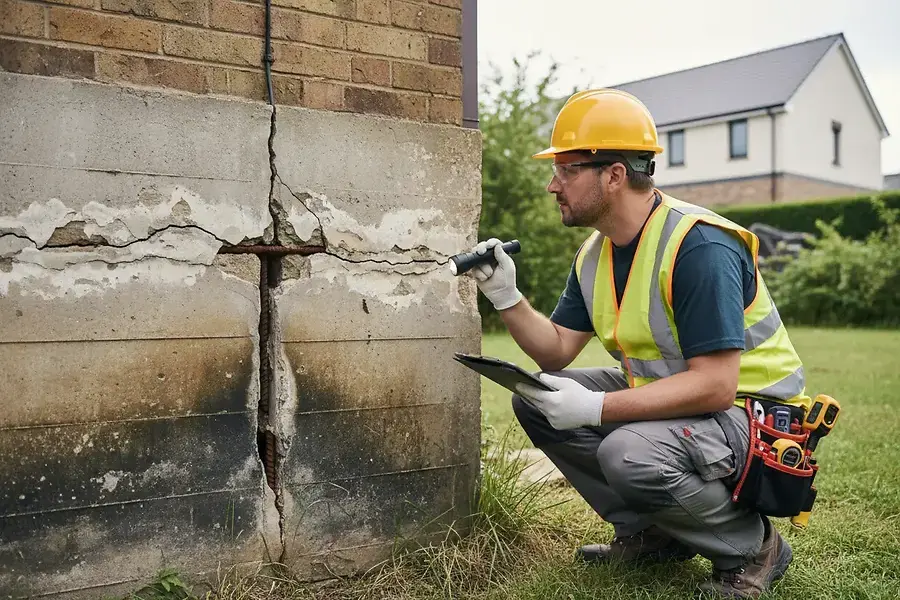
Why Professional Home Inspections Matter
Purchasing a home is one of the most significant financial decisions you'll make in your lifetime. A professional home inspection serves as your safeguard against hidden defects and costly repairs that could drain your savings after closing. Unlike appraisals, which determine a property's market value, inspections focus on the physical condition and safety of the structure and its systems.
A thorough inspection typically costs between $300 and $700, but it can save you thousands by uncovering issues before you commit to the purchase. Inspectors bring expertise that untrained eyes often miss—from structural concerns to electrical hazards to plumbing problems that could require expensive repairs.
The inspection period is your opportunity to negotiate repairs, request credits, or even walk away from a problematic property. Without this crucial step, you could inherit someone else's problems and face unexpected expenses that strain your budget.
Key Areas Inspectors Evaluate: Foundation, Systems, and Structural Integrity
Foundation and Structural Components
The foundation is the backbone of any home. Inspectors examine the foundation for cracks, settling, water damage, and signs of movement. They assess basement walls, crawl spaces, and the overall structural integrity of the building. Foundation issues are among the most expensive to repair, making this evaluation critical to your decision-making process.
Inspectors also evaluate:
- Roof condition, age, and remaining lifespan
- Exterior walls, siding, and weatherproofing
- Windows, doors, and their seals
- Decks, porches, and outdoor structures
Electrical Systems
Faulty electrical systems pose serious safety risks, including fire hazards. Professional inspectors examine the main electrical panel, wiring, outlets, and grounding systems. They verify that the electrical system meets current safety codes and can handle the home's power demands. Outdated wiring or inadequate service can be costly to upgrade.
Plumbing and Water Systems
Inspectors test water pressure, check for leaks, examine pipe materials, and assess the water heater's condition. They look for signs of water damage, mold, and corrosion. Plumbing issues can lead to water damage and mold growth, which affect both the home's value and your family's health.
HVAC and Climate Control
The heating, ventilation, and air conditioning systems are evaluated for proper operation and maintenance. Inspectors check furnaces, air conditioners, ductwork, and thermostats. They assess the age of equipment and estimate remaining useful life, helping you budget for future replacements.
Interior and Safety Features
Inspectors examine:
- Insulation and ventilation
- Smoke and carbon monoxide detectors
- Stairs, railings, and handrails
- Doors and locks
- Attic and basement conditions
Red Flags to Watch For and When to Negotiate Repairs
Critical Issues That Demand Attention
Foundation cracks and settling indicate structural problems that require professional assessment. Horizontal cracks are particularly concerning and may necessitate expensive repairs or even make the home uninsurable.
Roof damage or age is a major concern. If the roof is nearing the end of its lifespan, budget for replacement costs, which can range from $5,000 to $15,000 or more depending on the home's size and materials.
Electrical hazards such as outdated wiring, improper grounding, or overloaded panels require immediate attention. These issues pose fire risks and may prevent home insurance approval.
Water intrusion and mold indicate moisture problems that can compromise structural integrity and create health hazards. Look for water stains, soft spots in walls, and musty odors.
Plumbing issues including galvanized pipes, polybutylene pipes, or evidence of leaks should be addressed. These materials are prone to failure and can lead to costly water damage.
Negotiation Strategies
Once you receive the inspection report, you have several options:
- Request repairs: Ask the seller to fix identified issues before closing
- Request credits: Negotiate a price reduction to cover repair costs yourself
- Request inspections: Hire specialists for major issues to determine exact repair costs
- Walk away: If problems are extensive, you may decide the property isn't worth the risk
Prioritize negotiating critical safety issues and major systems. Minor cosmetic issues are typically the buyer's responsibility after closing. Be reasonable in your requests—sellers are more likely to cooperate if your demands are fair and based on the inspection findings.
When to Call in Specialists
If the general inspection reveals potential problems, consider hiring specialists:
- Structural engineers for foundation concerns
- Electricians for electrical system issues
- Plumbers for plumbing problems
- Mold inspectors for water damage and moisture concerns
- Pest control experts for termite or pest infestations
These specialized inspections cost extra but provide detailed assessments that help you make informed decisions about major repairs.
Using Inspection Results to Make Confident Purchasing Decisions
The inspection report is your roadmap to understanding the true condition of the property. Don't let emotions override the facts presented in the report. If you love a home but the inspection reveals significant problems, take time to evaluate whether the repairs are worth the investment.
Consider the total cost of ownership, including necessary repairs, maintenance, and potential future issues. A cheaper purchase price doesn't matter if you'll spend tens of thousands on repairs immediately after closing.
A professional home inspection is not an expense—it's an investment in your peace of mind and financial security.
Use the inspection results to:
- Understand the home's true condition and remaining lifespan of major systems
- Budget for necessary repairs and maintenance
- Make informed negotiations with the seller
- Plan for future upgrades and replacements
- Secure appropriate home insurance coverage
Remember, no home is perfect. The goal of an inspection is to identify issues so you can make an informed decision. Whether you proceed with the purchase, negotiate repairs, or walk away, you'll do so with confidence and clarity about what you're getting into.
By taking home inspections seriously and understanding what inspectors evaluate, you protect your investment and avoid costly surprises down the road. This due diligence is the hallmark of a smart homebuyer.


