Home Inspection Essentials: A Complete Guide for Roseville Home Buyers
Master the essential inspection points that protect your investment and reveal hidden issues before closing.

Introduction: Why Home Inspections Matter in Roseville's Competitive Market
In Roseville's fast-paced real estate market, the pressure to make quick offers can be overwhelming. However, skipping or rushing through a home inspection is a costly mistake that could leave you with unexpected repairs and financial burdens. A thorough home inspection is your safeguard against purchasing a property with hidden defects that could compromise your safety, comfort, and investment.
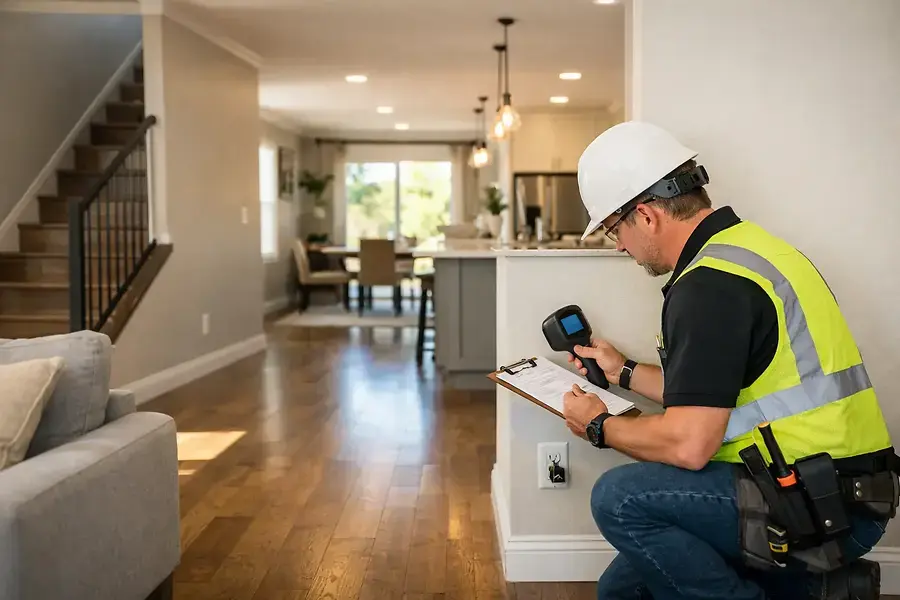
Home inspections serve as an objective evaluation of a property's condition, performed by certified professionals who examine everything from the foundation to the roof. In a competitive market like Roseville, where homes sell quickly, having a comprehensive inspection report gives you leverage in negotiations and peace of mind before closing.
Structural and Foundation Elements: Critical Areas to Evaluate
Foundation Integrity
The foundation is the backbone of any home. Inspectors look for cracks, settling, water damage, and signs of movement that could indicate serious structural problems. Common issues include:
- Horizontal or diagonal cracks in concrete or brick
- Bowing or leaning walls
- Water stains or moisture intrusion
- Gaps between the foundation and walls
Foundation repairs can be expensive, so identifying these issues early is crucial for your decision-making process.
Roof Condition and Integrity
Your roof protects everything beneath it. Inspectors examine shingles, flashing, gutters, and ventilation systems to assess remaining lifespan and identify potential leaks. Key inspection points include:
- Age and condition of roofing materials
- Missing, damaged, or curling shingles
- Proper drainage and gutter functionality
- Attic ventilation and insulation
- Signs of water damage or mold
A roof replacement can cost thousands of dollars, making this one of the most important structural elements to evaluate.
Walls, Windows, and Doors
Inspectors assess the exterior envelope for water intrusion, pest damage, and structural integrity. They check for:
- Cracks in exterior walls or siding
- Proper caulking and weatherproofing
- Window and door functionality and sealing
- Signs of termite or pest damage
- Proper grading and drainage around the foundation
Systems and Utilities: HVAC, Plumbing, Electrical, and More
HVAC Systems
Heating, ventilation, and air conditioning systems are essential for comfort and indoor air quality. Inspectors evaluate:
- Age and condition of furnace and air conditioning units
- Proper operation and efficiency
- Ductwork integrity and insulation
- Thermostat functionality
- Filter accessibility and maintenance requirements
Replacing an HVAC system is a significant expense, so understanding its condition helps you budget for future maintenance or replacement.
Plumbing Systems
A thorough plumbing inspection reveals potential water damage and costly repairs. Inspectors check:
- Water pressure and flow rates
- Pipe material and condition (galvanized, copper, PVC)
- Signs of leaks, corrosion, or water damage
- Toilet, sink, and fixture functionality
- Water heater age and condition
- Sump pump operation (if applicable)
Hidden plumbing issues like slow leaks can lead to mold, structural damage, and expensive remediation.
Electrical Systems
Electrical safety is paramount. Inspectors examine:
- Panel capacity and condition
- Proper grounding and bonding
- Outlet and switch functionality
- Presence of outdated wiring (aluminum, knob-and-tube)
- GFCI protection in wet areas
- Adequate lighting and circuit distribution
Outdated electrical systems may require upgrades to meet current safety codes, which can be costly but necessary for your family's safety.
Additional Systems to Evaluate
Beyond the major systems, inspectors also assess:
- Insulation and ventilation: Proper insulation reduces energy costs and prevents moisture issues
- Appliances: Age, condition, and functionality of included appliances
- Basement and crawl spaces: Signs of water intrusion, mold, or structural concerns
- Decks and patios: Structural integrity and safety hazards
- Septic systems: Functionality and maintenance history (if applicable)
Conclusion: Using Inspection Insights to Make Confident Offers
A comprehensive home inspection is an investment in your peace of mind and financial security. By understanding what inspectors evaluate—from foundation integrity to electrical safety—you can make informed decisions about your Roseville home purchase.
Key takeaways for buyers:
- Always hire a certified, independent home inspector
- Attend the inspection to ask questions and understand issues firsthand
- Use the inspection report to negotiate repairs or credits with the seller
- Budget for maintenance and potential repairs identified in the report
- Don't skip the inspection to move faster in a competitive market
In Roseville's competitive real estate landscape, a thorough home inspection gives you the knowledge and confidence to make offers that protect your investment. Whether you're a first-time buyer or an experienced investor, understanding these essential inspection points ensures you're making one of the most important financial decisions of your life with full transparency and confidence.


