Home Inspection Essentials: A Fort Collins Buyer's Complete Guide
Master the critical inspection process to protect your investment and avoid costly surprises.

Understanding the Home Inspection Process and Why It Matters
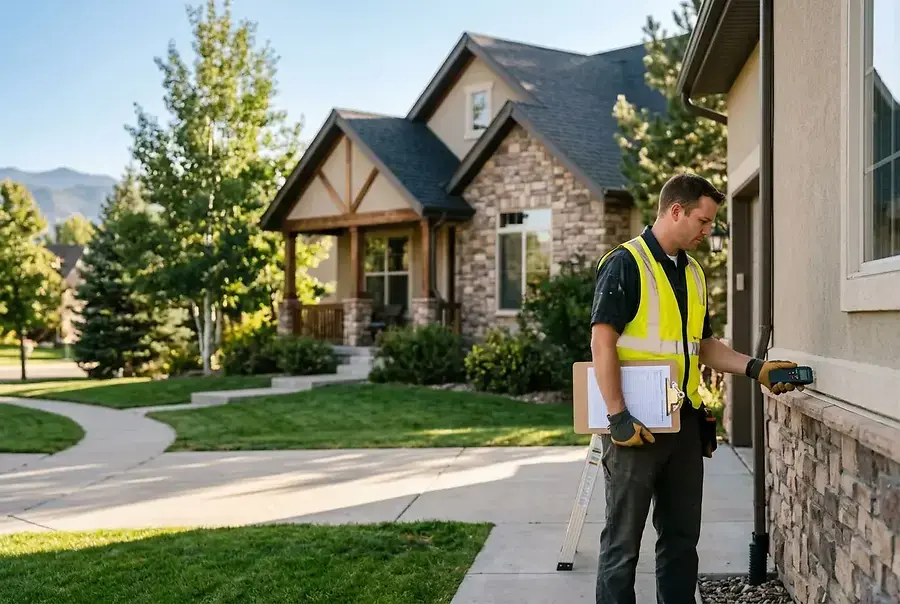
Purchasing a home is one of the most significant financial decisions you'll make in your lifetime. In Fort Collins, where the real estate market is competitive and properties vary widely in age and condition, a professional home inspection is your most valuable tool for protecting that investment. A home inspection is a thorough, non-invasive examination of a property's physical structure and systems, conducted by a certified inspector who provides you with a detailed report of findings.
The inspection process typically takes two to three hours and covers everything from the foundation to the roof. Why does this matter? Because it reveals hidden problems that could cost thousands of dollars to repair after you've already closed on the property. Without an inspection, you could unknowingly purchase a home with structural issues, outdated electrical systems, plumbing problems, or HVAC concerns that would drain your savings.
In Fort Collins, where homes range from historic properties to newer constructions, inspections are particularly important. Older homes may have outdated systems, while newer homes might have construction defects. An inspection gives you the knowledge to make an informed decision and negotiate from a position of strength.
Key Areas Inspectors Examine and What to Look For
Structural Components
Inspectors carefully examine the foundation, walls, and overall structural integrity of the home. Look for cracks in the foundation, water damage, or signs of settling. In Fort Collins, where soil conditions can vary, foundation issues are particularly important to understand. The inspector will also check the roof's condition, including shingles, flashing, and gutters.
Electrical and Plumbing Systems
These systems are critical to your home's safety and functionality. Inspectors verify that electrical panels are up to code, outlets are properly grounded, and there are no fire hazards. For plumbing, they check water pressure, drainage, and the condition of pipes. Pay special attention to the age of these systems, as older homes may need upgrades to meet current standards.
HVAC and Mechanical Systems
Your heating, ventilation, and air conditioning systems are essential for comfort and energy efficiency. Inspectors test these systems to ensure they're functioning properly and note their age. In Fort Collins' climate, a well-maintained HVAC system is crucial for both winter heating and summer cooling.
Interior Features and Safety
Inspectors examine:
- Windows and doors for proper operation and sealing
- Insulation and ventilation in attics and crawl spaces
- Kitchen and bathroom fixtures
- Flooring conditions and potential hazards
- Presence of safety features like smoke detectors and carbon monoxide detectors
Exterior and Grounds
The inspector evaluates the condition of siding, decks, patios, and landscaping. They also check for proper grading and drainage around the foundation, which is essential for preventing water intrusion and basement flooding—a common concern in Colorado properties.
How to Review Inspection Reports and Negotiate Repairs
Understanding Your Inspection Report
Once the inspection is complete, you'll receive a detailed report. Don't be overwhelmed by the length or technical language. Most reports categorize findings into three levels: items that need immediate attention, items that should be monitored, and minor cosmetic issues.
Focus your attention on:
- Safety hazards that pose immediate risk
- Major systems nearing the end of their lifespan
- Structural or water damage issues
- Code violations that could affect insurance or resale value
Negotiating Repairs and Credits
Armed with your inspection report, you have several options. You can request that the seller make repairs before closing, ask for a credit toward repairs you'll handle yourself, or request a price reduction. In Fort Collins' market, negotiation strategies vary depending on market conditions and the severity of issues found.
When negotiating, be reasonable and prioritize. Focus on major issues that affect safety, functionality, or the home's long-term value. Minor cosmetic issues are typically the buyer's responsibility after purchase. Get repair estimates from licensed contractors to support your negotiation requests with concrete numbers.
When to Walk Away
Sometimes an inspection reveals problems so significant that walking away is the wisest choice. If repairs would cost more than your down payment, or if the home has extensive structural damage, mold, or other serious issues, it may be better to continue your search for a property that better meets your needs and budget.
Moving Forward with Confidence After Your Inspection
Creating a Maintenance Plan
After you've negotiated repairs and are ready to close, use the inspection report as a roadmap for future maintenance. Schedule regular maintenance for HVAC systems, have the roof inspected annually, and address any deferred maintenance items promptly. This proactive approach will extend the life of your home's systems and prevent small problems from becoming expensive disasters.
Building Your Home Care Knowledge
Ask your inspector questions during the walkthrough. Understanding how your home's systems work and what maintenance they require will serve you well as a homeowner. Many inspectors are happy to explain findings and offer maintenance tips.
Keeping Documentation
File your inspection report, repair receipts, and maintenance records in an organized system. This documentation will be valuable when you eventually sell the home, and it helps you track what work has been completed and when systems were last serviced.
"A home inspection is not just about finding problems—it's about gaining the knowledge and confidence to make the best decision for your family and your financial future."
Final Thoughts
The home inspection process might seem daunting, but it's an essential step in protecting your investment. In Fort Collins, where the real estate market is dynamic and properties are diverse, a thorough inspection provides peace of mind and empowers you to negotiate effectively. By understanding what inspectors look for, carefully reviewing reports, and negotiating strategically, you'll move forward into homeownership with confidence and clarity. Your future self will thank you for the diligence you invest in this critical step.