Home Inspection Essentials for Austin, Buda, and Kyle Buyers
Learn what professional inspectors look for and how to protect your investment in these competitive Texas markets.

Why Home Inspections Matter in Your Purchase
Buying a home in Austin, Buda, or Kyle is one of the most significant financial decisions you'll make. In these competitive Texas markets, it's easy to get caught up in the excitement of finding the perfect property and overlook critical details. A professional home inspection is your safeguard—a thorough examination that can reveal hidden problems before you commit to the purchase.
A comprehensive home inspection typically costs between $300 and $500, but it can save you thousands in unexpected repairs down the road. Inspectors evaluate the structural integrity, mechanical systems, and overall condition of a property, providing you with an objective assessment that goes far beyond what the naked eye can see.
Why is this especially important in Central Texas? The region's unique climate, soil conditions, and building practices create specific challenges that local inspectors understand well. From foundation issues caused by expansive clay soil to heat-related wear on roofing materials, Central Texas homes face distinct vulnerabilities.
Common Issues Found in Central Texas Properties
Foundation Problems
The most prevalent issue in the Austin, Buda, and Kyle areas is foundation damage. The region's expansive clay soil expands when wet and contracts when dry, putting tremendous pressure on home foundations. Look for signs such as:
- Cracks in walls or ceilings
- Doors and windows that stick or won't close properly
- Uneven or sloping floors
- Gaps between walls and baseboards
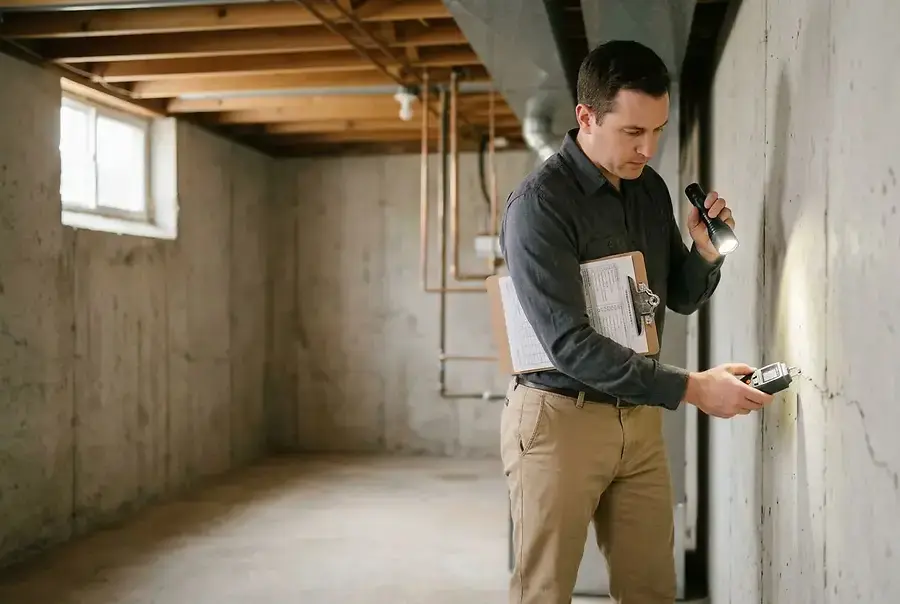
Professional inspectors use specialized equipment to assess foundation movement and determine whether issues are cosmetic or require immediate attention.
Roof and Attic Concerns
Central Texas summers are intense, and roofing materials take a beating. Common findings include:
- Premature shingle deterioration and curling
- Inadequate attic ventilation leading to heat buildup
- Missing or damaged flashing around chimneys and vents
- Insufficient insulation in attic spaces
A well-maintained roof is critical in Texas, where temperatures regularly exceed 95 degrees. Inspectors will examine both the exterior and interior of your roof system to ensure it can withstand the region's climate demands.
HVAC System Issues
Air conditioning systems work overtime in Central Texas. Inspectors evaluate whether your HVAC system is appropriately sized for the home and functioning efficiently. Common problems include:
- Undersized units that can't keep up with summer heat
- Aging systems nearing the end of their lifespan
- Poor ductwork design or leaks
- Inadequate maintenance history
Water Intrusion and Drainage
Despite the region's occasional drought conditions, water damage remains a concern. Heavy rains can expose grading issues, poor drainage systems, and water intrusion problems. Inspectors look for:
- Water stains in basements or crawl spaces
- Improper grading around the foundation
- Clogged gutters and downspouts
- Signs of past water damage or mold
Red Flags to Watch During Your Inspection Walk-Through
Structural Red Flags
Don't ignore these warning signs: Significant foundation cracks (wider than 1/4 inch), major structural settling, or evidence of previous repairs without proper permits. These issues can be expensive to remediate and may indicate deeper problems.
System and Safety Concerns
Pay close attention to the home's major systems. An aging electrical panel, outdated plumbing, or a furnace that's beyond its expected lifespan (typically 15-20 years) should factor into your negotiation strategy. Additionally, verify that the home has:
- Proper grounding and circuit breakers
- Updated electrical outlets in bathrooms and kitchens
- Working smoke and carbon monoxide detectors
- Adequate water pressure and drainage
Environmental and Health Hazards
Older homes in the Austin area may contain asbestos, lead paint, or radon. While these aren't always deal-breakers, they require disclosure and may necessitate professional remediation. A thorough inspection will identify these hazards so you can make an informed decision.
Pest and Moisture Damage
Texas is home to termites, carpenter ants, and other wood-destroying insects. Inspectors will look for evidence of pest damage, particularly in areas prone to moisture. Wood rot, hollow-sounding wood, or visible insect damage should raise immediate concerns.
Using Inspection Results to Negotiate Better Deals
Once you have your inspection report, you're in a stronger negotiating position. Here's how to use this information strategically:
Prioritize Issues by Severity
Not all inspection findings are created equal. Separate critical issues (foundation problems, major system failures) from minor cosmetic concerns. Focus your negotiations on items that significantly impact safety, functionality, or long-term value.
Obtain Repair Estimates
For major issues, get written estimates from licensed contractors. Armed with specific repair costs, you can request that the seller either fix problems before closing or provide credits to cover repairs. In competitive markets like Austin and Buda, this leverage can result in substantial savings.
Know When to Walk Away
Sometimes the best negotiation is knowing when to pass. If inspection results reveal extensive foundation damage, major structural issues, or a combination of expensive repairs that exceed your budget, it may be wiser to continue your search rather than inherit someone else's problems.
Request Follow-Up Inspections
For specialized concerns—such as foundation issues or potential mold—consider hiring a specialist for a second opinion. This additional investment can provide clarity and strengthen your negotiating position.
A thorough home inspection is not an expense; it's an investment in peace of mind and financial protection. In the fast-paced Austin, Buda, and Kyle real estate markets, this due diligence can make the difference between a smart purchase and a costly mistake.
By understanding what inspectors look for and recognizing red flags specific to Central Texas properties, you're equipped to make confident decisions and negotiate effectively. Don't rush the inspection process—it's your opportunity to truly understand what you're buying and protect your investment for years to come.


