Home Inspection Essentials for Big Prairie Property Buyers
Learn what inspectors discover and how to use these findings to protect your investment and negotiate confidently.

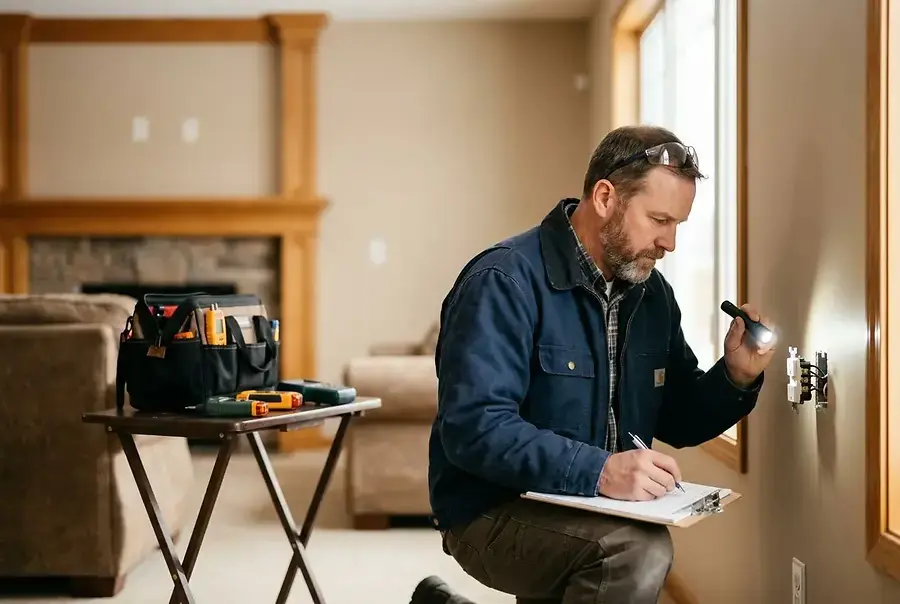
What Professional Home Inspectors Look For During Walkthroughs
A professional home inspection is one of the most critical steps in the home-buying process. Inspectors conduct thorough evaluations of every major system and component in a property, providing you with detailed insights into the home's condition. Understanding what they examine helps you prepare for the inspection and ask informed questions.
Structural and Foundation Assessment
Inspectors begin by evaluating the home's foundation and structural integrity. They look for cracks in the foundation, signs of settling, water damage, and moisture intrusion. These issues can be costly to repair and may indicate deeper problems with the property's stability. They also examine the basement or crawl space for evidence of flooding, mold, or pest damage.
Roofing and Exterior Systems
The roof is your home's first line of defense against the elements. Inspectors assess shingle condition, flashing integrity, gutter functionality, and overall roof age. They also examine siding, windows, doors, and exterior caulking for signs of wear, damage, or poor maintenance. In Big Prairie's climate, proper exterior maintenance is essential for long-term property protection.
Electrical and Plumbing Systems
These systems are vital to daily living and safety. Inspectors test electrical outlets, check the condition of the electrical panel, and verify that the home meets current safety codes. For plumbing, they inspect visible pipes, test water pressure, check for leaks, and evaluate the water heater's condition and age. Outdated or failing systems can require significant investment to replace.
HVAC and Climate Control
Heating, ventilation, and air conditioning systems are thoroughly evaluated. Inspectors check the furnace or heat pump, air conditioning unit, ductwork, and thermostat functionality. They assess whether systems are properly sized for the home and operating efficiently. Regular maintenance records are important indicators of system longevity.
Common Issues Found in Big Prairie Homes and How to Address Them
Certain issues appear more frequently in Big Prairie properties due to the region's climate, soil composition, and typical construction methods. Knowing what to expect helps you prioritize repairs and budget accordingly.
Water Damage and Moisture Problems
Big Prairie's weather patterns can lead to water intrusion issues. Common problems include:
- Basement seepage and dampness – Often addressed through improved grading, sump pumps, or interior waterproofing
- Roof leaks – May require roof repair or replacement depending on severity
- Poor drainage around the foundation – Can be corrected by extending downspouts and improving yard grading
Addressing moisture issues promptly prevents mold growth and structural deterioration.
Aging Roofs and Siding
Many Big Prairie homes feature roofs and siding that have reached the end of their serviceable life. Asphalt shingles typically last 15-20 years, and older homes may need replacement. Similarly, vinyl or wood siding may show signs of deterioration. Budget for these replacements as part of your long-term ownership costs.
Outdated Electrical Systems
Older homes sometimes have outdated electrical panels or insufficient capacity for modern appliances. Knob-and-tube wiring, if present, poses safety risks and should be replaced. Upgrading to a modern electrical system ensures safety and supports today's power demands.
HVAC System Age
Furnaces and air conditioning units typically last 15-25 years. If your inspection reveals aging systems, factor replacement costs into your offer. A new HVAC system is a significant investment but essential for comfort and efficiency.
Leveraging Inspection Reports to Negotiate Better Terms
The inspection report is a powerful negotiating tool. Here's how to use it effectively:
Prioritize Issues by Severity
Not all inspection findings require negotiation. Focus on major structural issues, safety concerns, and expensive repairs. Minor cosmetic issues or routine maintenance items are typically the buyer's responsibility. Your inspector can help you distinguish between critical and minor concerns.
Obtain Repair Estimates
Before negotiating, get written estimates from licensed contractors for significant repairs. This gives you concrete numbers to present to the seller. Armed with specific costs, you can request:
- A price reduction to cover repairs you'll handle yourself
- Seller-completed repairs before closing
- An escrow account for repairs completed after closing
Present Issues Professionally
Frame inspection findings as factual observations rather than criticisms. Use language like
"The inspection revealed that the roof has approximately 5 years of remaining life. We'd like to request a $X reduction to account for this anticipated replacement."This approach keeps negotiations constructive and focused on solutions.
Know When to Walk Away
If inspection results reveal extensive problems that would require major investment, you may decide the property isn't worth pursuing. Your inspection contingency protects your right to withdraw from the purchase without penalty if issues are severe enough.
Conclusion: Making Confident Purchasing Decisions with Inspection Data
A professional home inspection provides invaluable information that protects your investment and empowers your decision-making. By understanding what inspectors evaluate, recognizing common Big Prairie issues, and strategically using inspection findings in negotiations, you position yourself for a successful purchase.
Remember that no home is perfect, and inspection reports often reveal items requiring attention. The key is distinguishing between manageable maintenance and serious structural or safety concerns. Work closely with your real estate agent and inspector to interpret findings and develop a negotiation strategy that reflects the property's true condition and value.
With thorough inspection knowledge and professional guidance, you'll move forward with confidence, knowing you've made an informed decision about one of life's most significant investments.


