Home Inspection Essentials for Birmingham Residential Buyers
Learn what every homebuyer should know before purchasing a property in Birmingham's residential market.

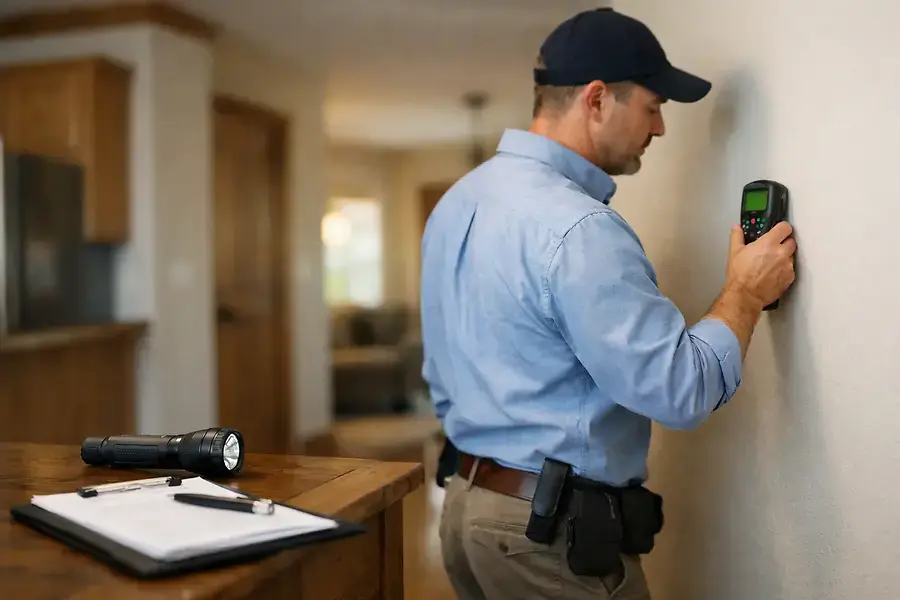
Why Home Inspections Matter in Birmingham's Market
Purchasing a home is one of the most significant investments you'll make in your lifetime. In Birmingham's competitive residential market, a thorough home inspection can be the difference between finding your dream home and inheriting costly problems. A professional home inspection provides an objective evaluation of a property's condition, protecting your financial interests and giving you the confidence to move forward with your purchase.
Many homebuyers underestimate the importance of inspections, viewing them as an optional expense. However, skipping this critical step can lead to unexpected repairs, safety hazards, and significant financial losses. In Birmingham's diverse housing market—ranging from historic homes to modern developments—inspections are particularly valuable for identifying age-related issues and regional concerns.
Common Issues Found in Birmingham Homes and What to Look For
Foundation and Structural Problems
Birmingham's soil composition and climate can contribute to foundation issues. During your inspection, look for:
- Cracks in the foundation or basement walls
- Uneven or sloping floors
- Gaps between walls and door frames
- Water damage or moisture in basements
Why it matters: Foundation repairs can be extremely expensive, sometimes costing $10,000 or more. Early detection allows you to negotiate repairs or adjust your offer accordingly.
Roof and Water Damage
The roof is your home's first line of defense against the elements. Inspectors should examine:
- Shingle condition and age
- Flashing around chimneys and vents
- Signs of leaks or water stains in attics
- Gutter functionality and drainage
Birmingham's weather patterns can accelerate roof deterioration. A roof nearing the end of its lifespan may require replacement within a few years, which is a substantial expense to factor into your decision.
HVAC Systems
Heating and cooling systems are essential for comfort and can be costly to replace. Your inspector should verify:
- System age and maintenance history
- Proper operation and efficiency
- Ductwork condition and sealing
- Thermostat functionality
Plumbing and Electrical Systems
These systems are critical for safety and daily function. Common concerns include:
- Outdated wiring or aluminum wiring (a fire hazard)
- Insufficient electrical capacity for modern appliances
- Corroded pipes or slow drains
- Water pressure issues
Electrical and plumbing upgrades can be expensive, so understanding the current state is crucial for budgeting.
Pest and Mold Issues
Birmingham's humidity can create conditions favorable for mold growth and pest infestations. Inspectors should look for:
- Signs of termites or other wood-destroying insects
- Mold or mildew in damp areas
- Proper ventilation in crawl spaces and attics
- Sealed entry points for pests
Working with Inspectors: Questions to Ask and Red Flags to Recognize
Choosing the Right Inspector
Not all home inspectors are created equal. When selecting an inspector, verify they are:
- Licensed and insured in Alabama
- Members of professional organizations like ASHI (American Society of Home Inspectors)
- Experienced with homes similar to the one you're purchasing
- Willing to explain findings in detail
Essential Questions to Ask
Before hiring an inspector, ask:
- "How long have you been inspecting homes in Birmingham?" Experience with local properties is invaluable.
- "What's included in your inspection?" Ensure they cover all major systems and components.
- "Will you provide a detailed written report?" You need documentation for your records and negotiations.
- "Can I attend the inspection?" Being present allows you to ask questions and learn about the property.
- "What's your policy on re-inspections?" Some inspectors offer follow-up visits after repairs are made.
Red Flags to Recognize
Be cautious of inspectors who:
- Rush through the inspection (a thorough inspection typically takes 2-3 hours)
- Provide vague or incomplete reports
- Refuse to let you attend the inspection
- Offer to recommend contractors for repairs (potential conflict of interest)
- Seem dismissive of your concerns or questions
"A quality home inspection is an investment in your peace of mind and financial security. Don't compromise on this critical step."
Understanding the Inspection Report
Once you receive the inspection report, take time to review it carefully. The report should categorize issues by severity—from immediate safety concerns to minor cosmetic problems. Use this information to:
- Negotiate repairs or credits with the seller
- Plan for future maintenance and upgrades
- Understand the true condition of the property
- Make an informed decision about moving forward
Using Inspection Results to Make Confident Offers
A home inspection report is a powerful negotiating tool. If significant issues are discovered, you have several options:
Request Repairs: Ask the seller to fix critical issues before closing. This ensures problems are addressed by the current owner, who may have documentation of previous work.
Negotiate a Credit: If repairs are minor, request a credit toward closing costs or a price reduction to handle repairs yourself.
Walk Away: If major issues make the property a poor investment, use the inspection report to justify your decision and move on to other properties.
In Birmingham's residential market, homes that have been well-maintained and show no major issues are more likely to appreciate over time. By investing in a thorough inspection, you're not just protecting yourself today—you're making a smart long-term investment in your future.
Remember, a home inspection is not about finding reasons to reject a property; it's about understanding what you're buying and making an informed decision. With the right inspector and a clear understanding of what to look for, you can navigate Birmingham's real estate market with confidence and peace of mind.


