Home Inspection Essentials for Bradenton and Sarasota Buyers
What to look for during inspections to make informed decisions in Florida's competitive residential market.

Why Home Inspections Matter in Bradenton and Sarasota
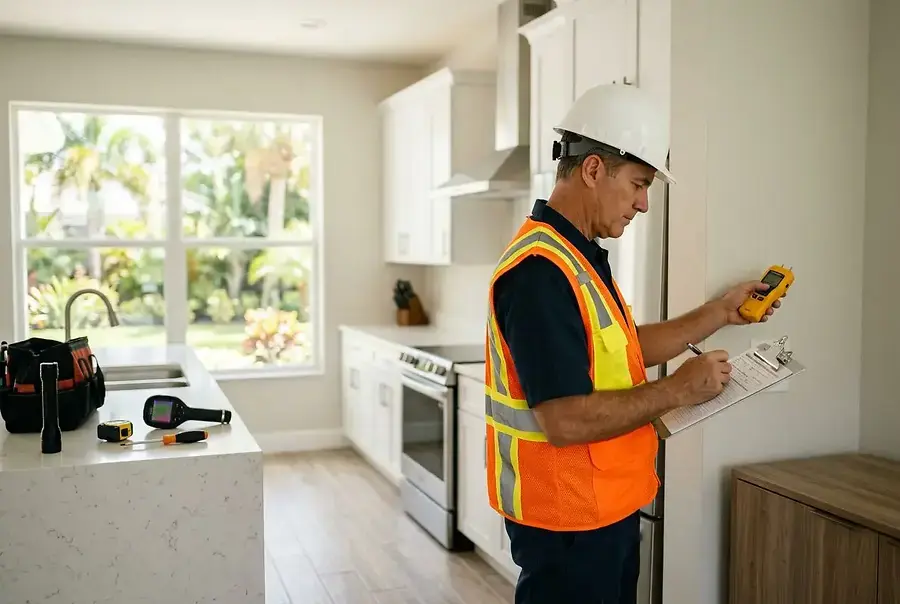
Purchasing a home is one of the most significant investments you'll make in your lifetime. In the competitive residential markets of Bradenton and Sarasota, a thorough home inspection is not just a formality—it's your safeguard against costly surprises. A professional inspection provides an objective assessment of a property's condition, helping you make informed decisions and potentially saving thousands of dollars in unexpected repairs.
Florida's unique climate and environmental factors create specific challenges for homeowners. From humidity-related issues to hurricane preparedness, understanding what inspectors look for can give you a competitive edge when negotiating with sellers. Whether you're a first-time buyer or an experienced investor, knowing what to evaluate during an inspection is essential.
Key Areas to Evaluate During Your Home Inspection
Structural Integrity and Foundation
The foundation is the backbone of any home. In Florida, where soil conditions vary significantly, foundation issues can develop over time. During your inspection, look for:
- Cracks in the foundation or concrete slabs
- Uneven floors or sloping surfaces
- Water stains or signs of moisture intrusion
- Evidence of previous foundation repairs
A qualified inspector will use specialized equipment to detect settlement patterns and structural concerns that may not be visible to the naked eye.
Roof and Exterior Condition
Given Florida's exposure to hurricanes and intense sun, your roof is critical. Evaluate:
- Age and condition of roofing materials
- Signs of wear, missing shingles, or deterioration
- Proper flashing around chimneys and vents
- Gutter and drainage system functionality
- Hurricane-resistant features and reinforcements
A well-maintained roof can last 15-20 years, but Florida's weather can accelerate wear. Understanding the roof's age helps you budget for future replacements.
Plumbing and Water Systems
Water-related issues are among the most costly problems in Florida homes. During inspection, check:
- Water pressure and flow rates throughout the property
- Condition of pipes (copper, PVC, or galvanized)
- Signs of leaks or water damage
- Water heater age and functionality
- Septic system condition (if applicable)
Older homes may have outdated plumbing that requires updating. Identifying these issues early allows you to negotiate repairs or credits with the seller.
Electrical Systems
Electrical safety is paramount. Your inspector should evaluate:
- Panel capacity and condition
- Grounding and bonding systems
- GFCI outlets in wet areas
- Outdated wiring (knob-and-tube or aluminum)
- Proper circuit breaker operation
Outdated electrical systems may not support modern appliances and technology, making upgrades necessary for safety and functionality.
HVAC and Climate Control
In Florida's heat and humidity, a reliable air conditioning system is essential. Inspect:
- Age and maintenance history of the AC unit
- Proper refrigerant levels
- Ductwork condition and insulation
- Thermostat functionality
- Evidence of regular maintenance
AC units typically last 10-15 years. Knowing the age helps you plan for replacement costs.
Common Issues Found in Florida Properties and How to Address Them
Moisture and Mold Concerns
Florida's humid climate creates ideal conditions for mold growth. Common problem areas include:
- Attics and crawl spaces with poor ventilation
- Bathrooms and kitchens with inadequate exhaust fans
- Areas with previous water damage
- Basement or foundation walls
Solution: Ensure proper ventilation, maintain gutters, and address any water intrusion immediately. Professional mold remediation may be necessary for significant issues.
Hurricane and Wind Damage
Even if a home hasn't experienced direct hurricane impact, inspectors look for:
- Roof reinforcements and hurricane straps
- Impact-resistant windows and doors
- Proper installation of shutters or storm panels
- Structural reinforcements
Solution: Upgrade to hurricane-resistant features to improve safety and potentially reduce insurance premiums.
Pest Infestations
Termites, cockroaches, and other pests thrive in Florida's warm climate. Your inspection should include:
- Signs of termite damage or activity
- Evidence of pest infestations
- Pest control treatment history
Solution: Obtain a separate termite inspection and establish a regular pest control maintenance plan.
Pool and Spa Issues
If the property includes a pool or spa, evaluate:
- Structural integrity of the pool deck
- Equipment condition and functionality
- Proper safety features and compliance
- Plumbing and circulation systems
Solution: Budget for regular maintenance and potential equipment replacement. Pools can be expensive to maintain, so factor this into your offer.
Using Inspection Insights to Negotiate Better Deals
Once you have your inspection report, you're in a stronger negotiating position. Here's how to leverage your findings:
Request Repairs: For significant issues, ask the seller to complete repairs before closing. This ensures work is done to your standards and protects your investment.
Negotiate Credits: If repairs are minor or the seller prefers not to handle them, request a credit toward closing costs or a price reduction.
Plan Your Budget: Use inspection findings to estimate future maintenance and repair costs. This helps you determine if the property is truly a good value.
Walk Away if Necessary: If inspection reveals major structural or system issues that would be costly to repair, you have the right to renegotiate or withdraw from the purchase.
"A thorough home inspection is your opportunity to make an informed decision. Don't skip this critical step in the buying process."
Conclusion: Making Informed Decisions in Florida's Market
Home inspections are invaluable tools for buyers in Bradenton and Sarasota. By understanding what to look for and how to interpret findings, you can make confident purchasing decisions and avoid costly mistakes. Work with a qualified, licensed home inspector who understands Florida's unique challenges and requirements.
Remember, the inspection period is your opportunity to thoroughly evaluate the property before committing to the purchase. Use this time wisely, ask questions, and don't hesitate to request additional evaluations for specific concerns. With proper due diligence, you'll be well-equipped to negotiate better deals and invest in a home that meets your needs and budget.


