Home Inspection Essentials for Brownsburg and Indianapolis Buyers
Learn what to look for during inspections to make confident purchasing decisions in today's competitive market.

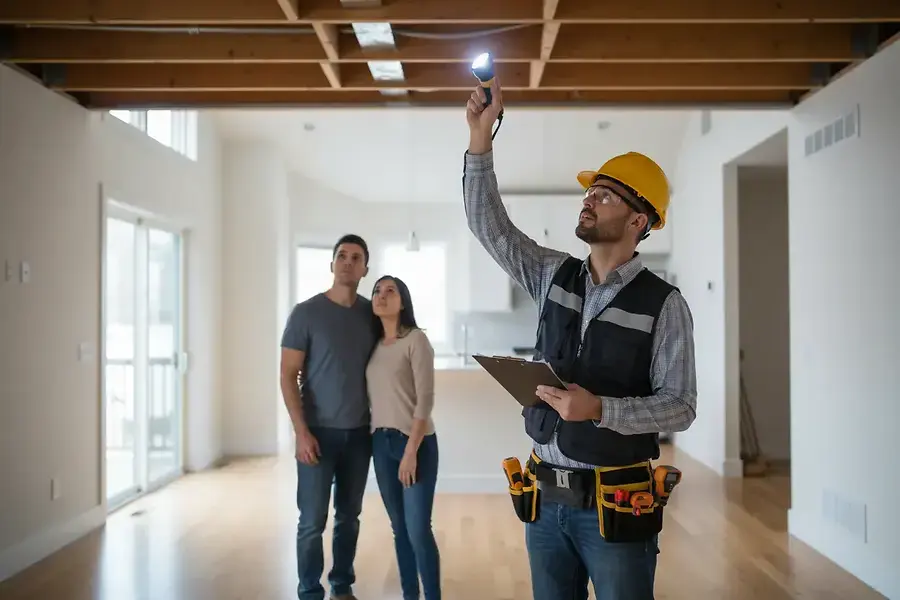
Understanding the Home Inspection Process
A home inspection is one of the most important steps in the home-buying process. It provides a detailed assessment of a property's condition and helps you understand what you're truly investing in. In Brownsburg and Indianapolis, where the real estate market moves quickly, having a thorough inspection can be the difference between a smart purchase and a costly mistake.
During a typical home inspection, a certified inspector will spend two to three hours examining the property from top to bottom. They'll evaluate structural components, mechanical systems, and safety features. The inspector will provide a comprehensive report detailing their findings, which becomes a crucial tool for negotiation and decision-making.
What to Expect During Your Inspection
Most home inspections follow a systematic approach. The inspector will examine the exterior, interior, roof, foundation, and all major systems. You should always attend the inspection if possible—this gives you the opportunity to ask questions and understand the property's condition firsthand. A good inspector will walk you through their findings and explain any concerns in detail.
Key Areas Inspectors Evaluate in Indiana Homes
Roof and Exterior
Indiana's weather can be harsh on roofs. Inspectors look for missing shingles, signs of leaks, and the overall condition of the roofing material. They'll also examine gutters, downspouts, siding, windows, and doors. These exterior elements are critical for protecting your home from water damage and weather-related issues.
Foundation and Basement
The foundation is the backbone of any home. Inspectors check for cracks, water intrusion, and signs of settling. In Indiana, where basements are common, inspectors will evaluate moisture levels, drainage systems, and any evidence of flooding. This is particularly important in Brownsburg and Indianapolis, where seasonal water issues can occur.
HVAC Systems
Heating and cooling systems are essential in Indiana's climate. Inspectors test furnaces, air conditioners, and heat pumps to ensure they're functioning properly. They'll also check ductwork, thermostats, and ventilation systems. A well-maintained HVAC system can save you thousands in future repairs.
Plumbing and Water Systems
Inspectors examine water pressure, drainage, and the condition of pipes throughout the home. They'll check for leaks, corrosion, and outdated materials. In older Brownsburg and Indianapolis homes, galvanized pipes or polybutylene plumbing may be flagged as potential concerns requiring future replacement.
Electrical Systems
A thorough electrical inspection includes checking the panel, outlets, switches, and wiring. Inspectors look for outdated systems, improper installations, and safety hazards. Older homes may have aluminum wiring or insufficient grounding, which are important issues to understand before purchasing.
Interior Components
Inspectors evaluate walls, ceilings, floors, doors, and windows for damage or deterioration. They'll check for signs of pest infestation, mold, or water damage. The condition of these components can indicate larger underlying issues with the home's structure or systems.
Red Flags and How to Respond to Inspection Reports
Understanding Report Severity
Not all inspection findings are created equal. Some issues are minor cosmetic concerns, while others indicate serious structural or safety problems. A good inspection report will categorize findings by severity, helping you prioritize what matters most.
Common Red Flags in Indiana Homes
- Foundation cracks or settling: These can indicate structural problems requiring professional evaluation
- Roof damage or age: Roofs nearing the end of their lifespan may need replacement soon
- Water damage or mold: These suggest moisture problems that could affect health and structural integrity
- Outdated electrical systems: Aluminum wiring or insufficient capacity may pose safety risks
- HVAC system failure: Replacement costs can be substantial and should be factored into your offer
- Plumbing issues: Corroded pipes or inadequate water pressure can be expensive to repair
Negotiating After Inspection
Once you receive the inspection report, you have several options. You can request repairs from the seller, ask for a credit toward closing costs, or renegotiate the purchase price. In Brownsburg and Indianapolis's competitive market, understanding which issues are worth negotiating is crucial. Major structural or system problems warrant serious discussion, while minor cosmetic issues may not be worth delaying the sale.
Pro tip: Have your inspector provide cost estimates for major repairs. This gives you concrete numbers to use during negotiations and helps you make informed decisions about whether to proceed with the purchase.
When to Walk Away
Sometimes an inspection reveals problems that are too costly or complex to address. If the foundation is severely compromised, there's extensive mold, or the home has been flooded multiple times, these may be signs to reconsider your offer. Your safety and financial security should always come first.
Conclusion: Using Inspection Results to Negotiate and Protect Your Investment
A home inspection is your opportunity to make an informed decision about one of the largest investments you'll ever make. In Brownsburg and Indianapolis, where homes vary widely in age and condition, a thorough inspection is non-negotiable.
Use the inspection report as a tool for negotiation, not just a checklist of problems. Work with your real estate agent to determine which findings are significant enough to address before closing. Remember that some issues are normal wear and tear, while others indicate serious concerns.
Key takeaways:
- Always attend your home inspection and ask questions
- Understand the severity of findings in the inspection report
- Use inspection results to negotiate repairs, credits, or price adjustments
- Get cost estimates for major repairs to inform your decisions
- Don't let emotions override the facts presented in the inspection
- Trust your inspector's expertise and your gut instinct
By taking home inspections seriously and understanding what inspectors evaluate, you'll be better equipped to make confident purchasing decisions in today's competitive market. Your inspection report is your roadmap to protecting your investment and ensuring your new home is a sound financial decision for years to come.


