Home Inspection Essentials for Buyers in Bedford and Manchester
Discover what professional inspectors look for and how to protect your investment before closing day.

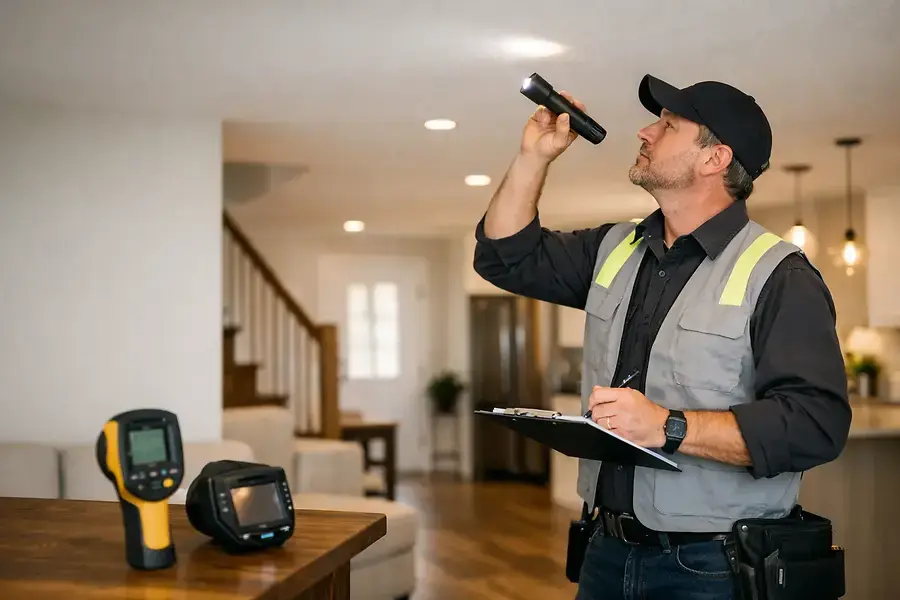
Understanding the Home Inspection Process and Timeline
A home inspection is one of the most critical steps in the home buying process. This comprehensive evaluation typically takes two to four hours, depending on the property's size and condition. During this time, a licensed inspector will examine the home's structural integrity, mechanical systems, and overall condition.
The inspection timeline usually occurs after your offer is accepted but before the final closing. Most purchase agreements include a contingency period—typically 7 to 10 days—allowing you to conduct the inspection and review the results. This window is crucial for making informed decisions about your investment.
What to Expect During the Inspection
Professional inspectors follow a systematic approach, examining both visible and accessible areas of the property. You should plan to be present during the inspection to ask questions and understand the inspector's findings firsthand. The inspector will document their observations with photographs and detailed notes, which become part of the official report.
Understanding the inspection process helps you prepare mentally and financially for potential repairs or negotiations. Many buyers in Bedford and Manchester find it helpful to walk through the property with the inspector to gain insight into the home's condition and any concerns.
Critical Areas Inspectors Examine and Red Flags to Watch For
Structural and Foundation Issues
Inspectors pay close attention to the foundation, as problems here can be expensive and serious. They look for:
- Cracks in the foundation or basement walls
- Signs of water damage or moisture intrusion
- Uneven settling or sloping floors
- Gaps between walls and the foundation
Red Flag: Large cracks, bowing walls, or evidence of previous water damage warrant further investigation by a structural engineer.
Roofing and Exterior Condition
The roof is your home's first line of defense against the elements. Inspectors examine:
- Shingle condition and age
- Flashing around chimneys and vents
- Gutters and downspouts
- Exterior siding and caulking
Red Flag: A roof nearing the end of its lifespan (typically 20-25 years) may require replacement soon, representing a significant expense.
Plumbing and Water Systems
Water-related issues can lead to costly damage if left unaddressed. Inspectors check:
- Water pressure and flow from fixtures
- Pipe material and condition (galvanized pipes are outdated)
- Water heater age and functionality
- Signs of leaks or water stains
Red Flag: Outdated plumbing materials, low water pressure, or evidence of past leaks should be investigated further.
Electrical Systems
Electrical safety is paramount. Inspectors evaluate:
- Panel condition and capacity
- Presence of outdated wiring (knob-and-tube or aluminum)
- Proper grounding and GFCI outlets
- Overall system safety and code compliance
Red Flag: Outdated electrical panels, insufficient outlets, or non-grounded systems pose safety risks and may require upgrades.
HVAC and Climate Control
Heating and cooling systems are essential for comfort and efficiency. Inspectors assess:
- Furnace or heat pump age and condition
- Air conditioning functionality
- Ductwork integrity
- Thermostat operation
Red Flag: Systems over 15 years old may be nearing replacement, which can be a substantial investment.
How to Review Inspection Reports and Negotiate Repairs
Understanding Your Inspection Report
The inspection report is a detailed document that categorizes findings by severity. Most reports use classifications such as satisfactory, minor repair needed, repair recommended, or further evaluation needed. Take time to review each section carefully and ask your inspector to clarify any technical terms or concerns.
Don't ignore minor issues—they can compound over time. However, distinguish between cosmetic concerns and structural or safety problems that require immediate attention.
Negotiation Strategies
Once you've reviewed the report, you have several options:
- Request repairs: Ask the seller to complete necessary repairs before closing.
- Request credits: Negotiate a reduction in the purchase price to cover repair costs yourself.
- Request inspections: For significant issues, ask for specialized inspections (structural, electrical, etc.).
- Walk away: If major issues exist, you may choose to withdraw your offer.
When negotiating, prioritize safety and structural issues over cosmetic concerns. Sellers are often more willing to provide credits than to complete repairs, as this allows them to avoid liability for workmanship.
Working with Your Real Estate Agent
Your real estate agent can provide valuable guidance during negotiations. They understand local market conditions in Bedford and Manchester and can advise on reasonable repair requests. A skilled agent will help you present your concerns professionally while maintaining a cooperative relationship with the seller.
"A thorough home inspection is an investment in your peace of mind and financial security. Don't rush this process or overlook findings that could affect your home's value and safety."
Conclusion: Making Informed Decisions with Inspection Insights
A professional home inspection is your opportunity to understand exactly what you're purchasing. By familiarizing yourself with what inspectors examine and recognizing red flags, you can make informed decisions that protect your investment.
Remember that no home is perfect—every property has some issues. The goal is to identify significant problems that could affect safety, functionality, or value. Use the inspection report as a negotiating tool and a roadmap for future maintenance and repairs.
Whether you're buying in Bedford, Manchester, or elsewhere, prioritize hiring a qualified, licensed home inspector. This professional will provide the detailed information you need to move forward confidently with your home purchase. Your investment deserves thorough scrutiny, and a comprehensive inspection is the best way to ensure you're making a sound financial decision.


