Home Inspection Essentials for Buyers in Chesterfield and Saint Louis
Discover what professional home inspectors look for and why this critical step protects your residential investment.

Why Home Inspections Matter for Local Buyers
Purchasing a home is one of the most significant financial decisions you'll make in your lifetime. In the Chesterfield and Saint Louis real estate market, a professional home inspection serves as your first line of defense against costly surprises after closing. A thorough inspection provides an objective assessment of your potential property's condition, helping you make informed decisions and negotiate repairs or price adjustments before you commit to the purchase.
Many buyers underestimate the importance of this critical step, viewing it as an optional expense. However, a comprehensive inspection can reveal hidden issues that aren't visible during casual walkthroughs. From structural concerns to mechanical failures, inspectors identify problems that could cost thousands to repair if discovered after purchase.
Key Areas Inspectors Evaluate in Midwest Homes
Structural Integrity and Foundation
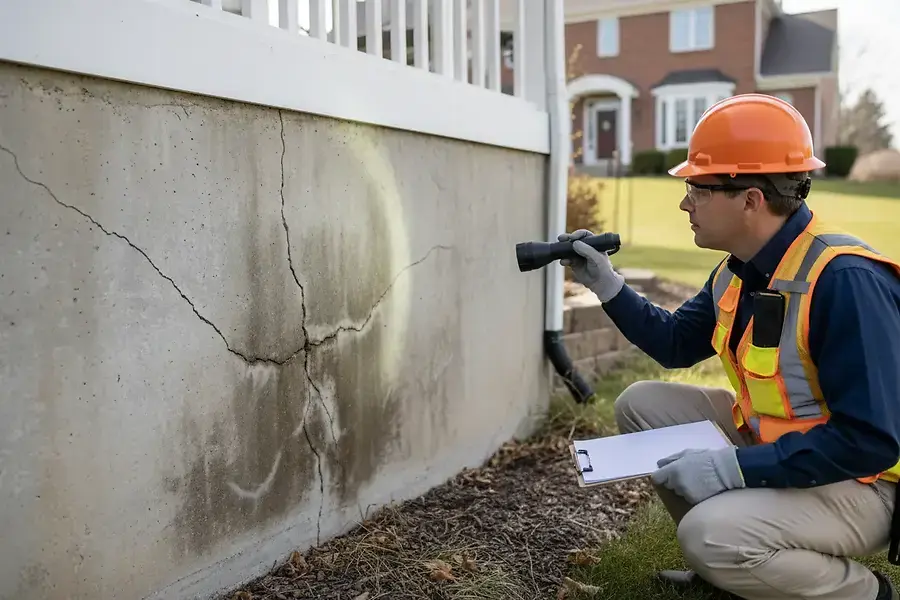
Inspectors begin by examining the home's foundation and structural components. In the Midwest, where freeze-thaw cycles are common, foundation cracks and settling issues are particularly important to assess. Inspectors look for:
- Visible cracks in the foundation or basement walls
- Signs of water intrusion or moisture damage
- Uneven floors or doors that don't close properly
- Bowing or leaning walls
Roofing and Exterior Systems
The roof is your home's primary defense against the elements. Inspectors evaluate shingle condition, flashing integrity, and overall roof age. They also examine:
- Gutters and downspout functionality
- Siding condition and potential water damage
- Window and door seals
- Chimney structural integrity
Mechanical Systems
HVAC Systems: Heating and cooling systems are critical in the Midwest climate. Inspectors test furnaces, air conditioners, and heat pumps to ensure they operate efficiently and safely.
Plumbing: Inspectors check water pressure, drainage, and the condition of pipes. They look for signs of leaks, corrosion, and outdated materials that may need replacement.
Electrical Systems: A thorough electrical inspection ensures the home meets current safety codes. Inspectors examine the panel, wiring, outlets, and grounding systems.
Interior Components
Inspectors evaluate interior elements including insulation levels, ventilation systems, appliances, and built-in fixtures. They assess the condition of walls, ceilings, and flooring for signs of damage or deterioration.
Red Flags and Common Issues Found in the Chesterfield and Saint Louis Market
Water Damage and Moisture Problems
Given the region's climate and occasional heavy rainfall, water damage is one of the most common issues found in local homes. Basement moisture, mold growth, and water stains are red flags that warrant immediate attention. These issues can lead to structural damage and health concerns if left unaddressed.
Outdated Electrical Systems
Older homes in the Saint Louis area may have outdated electrical systems, including aluminum wiring or insufficient panel capacity. These conditions pose fire hazards and may require costly upgrades to meet modern safety standards.
HVAC System Age and Condition
Furnaces and air conditioning units typically last 15-20 years. Inspectors often find aging systems in older Chesterfield and Saint Louis properties that may fail soon after purchase, requiring expensive replacement.
Roof Deterioration
Harsh winters and temperature fluctuations can accelerate roof aging. Curling shingles, missing granules, and leaks are common findings that can lead to significant repair costs if ignored.
Plumbing Issues
Older homes frequently have corroded pipes, outdated materials, or inadequate water pressure. Some properties may still have galvanized pipes that are prone to rust and mineral buildup.
Foundation and Basement Concerns
Settling, cracks, and water intrusion are particularly prevalent in the Midwest. Basement flooding or chronic moisture issues can indicate serious structural or drainage problems requiring professional remediation.
Taking Action: Next Steps After Your Inspection Report
Review the Report Thoroughly
Take time to carefully read your inspection report. Ask your inspector to explain any findings you don't understand. Pay special attention to items marked as safety concerns or major repairs needed.
Prioritize Issues by Severity
Not all inspection findings require immediate action. Categorize issues into three groups:
- Critical: Safety hazards or major structural problems requiring immediate repair
- Important: Systems nearing end of life or showing significant wear
- Minor: Cosmetic issues or routine maintenance items
Negotiate with the Seller
Use your inspection report as a negotiation tool. Request that the seller address critical issues, offer a price reduction, or provide credits toward repairs. Many sellers in the Chesterfield and Saint Louis market are willing to negotiate based on inspection findings.
Obtain Additional Specialist Inspections
If the general inspection reveals concerns in specific areas, consider hiring specialists. Structural engineers, mold inspectors, or HVAC technicians can provide detailed assessments and repair estimates for complex issues.
Plan Your Maintenance Strategy
Use the inspection report to develop a long-term maintenance plan. Understanding your home's condition helps you budget for future repairs and plan preventive maintenance to extend the life of major systems.
Document Everything
Keep your inspection report, photos, and any follow-up specialist reports in a safe place. This documentation is valuable for insurance purposes, future sales, and warranty claims.
A professional home inspection is an investment in peace of mind. By thoroughly evaluating your potential property before purchase, you protect yourself from costly surprises and make a confident decision about one of life's biggest investments.