Home Inspection Essentials for Buyers in Philadelphia, New York & Florida
Discover what to look for during inspections and how to protect your investment across these three competitive markets.

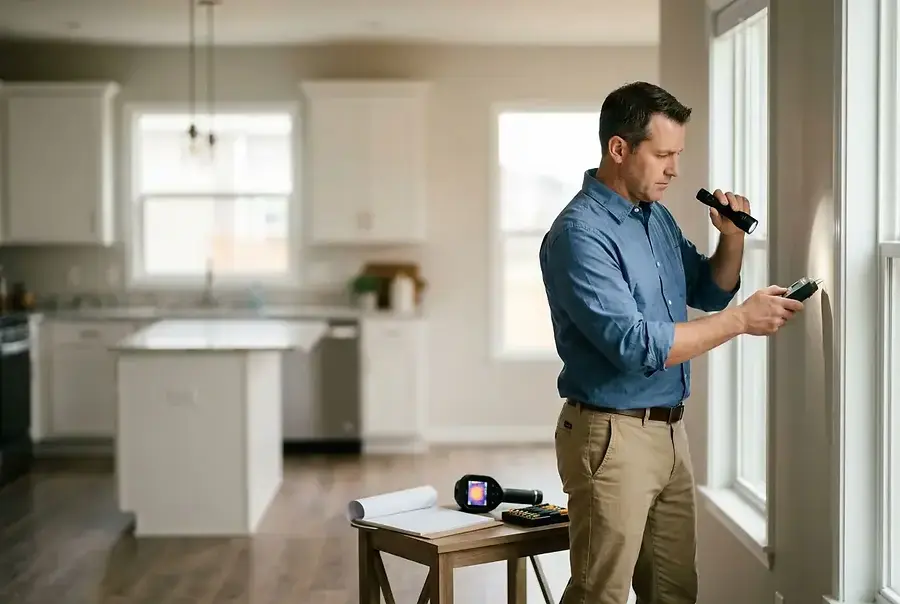
Understanding the Home Inspection Process and Why It Matters
Purchasing a home is one of the most significant financial decisions you'll make in your lifetime. Whether you're buying in Philadelphia, New York, or Florida, a professional home inspection is your first line of defense against costly surprises. A thorough inspection provides an objective assessment of a property's condition, helping you make informed decisions and negotiate repairs or price adjustments before closing.
Home inspections typically last 2-4 hours and involve a certified inspector examining the property's major systems and structures. This process is essential because it uncovers hidden issues that could cost thousands to repair, from structural problems to electrical hazards. In competitive real estate markets like these three states, having a detailed inspection report gives you leverage and peace of mind.
Key Areas Inspectors Examine: From Foundations to Roofs
Structural Components
Inspectors begin by evaluating the foundation, walls, and overall structural integrity. They look for cracks, settling, water damage, and signs of pest infestation. A compromised foundation can be extremely expensive to repair, making this one of the most critical areas of inspection.
Roofing and Exterior
The roof protects everything beneath it, so inspectors assess shingles, flashing, gutters, and drainage systems. They check for:
- Missing or damaged shingles
- Proper ventilation and insulation
- Signs of leaks or water damage
- Gutter condition and functionality
Plumbing Systems
Water damage is a leading cause of costly repairs. Inspectors test water pressure, check for leaks, examine pipes for corrosion, and verify that the water heater is functioning properly. They also assess the main water shut-off valve and drainage systems to ensure everything is in working order.
Electrical Systems
Safety is paramount when evaluating electrical systems. Inspectors examine the panel, outlets, switches, and wiring for code compliance and potential hazards. Outdated or faulty electrical work can pose fire risks and should be addressed immediately.
HVAC and Climate Control
Heating, ventilation, and air conditioning systems are vital, especially in Florida's hot climate. Inspectors test these systems to ensure they operate efficiently and maintain proper temperature control throughout the home.
Interior Components
Don't overlook the details. Inspectors examine:
- Windows and doors for proper sealing and operation
- Insulation levels in attics and walls
- Flooring for damage or settling
- Kitchen and bathroom fixtures
- Appliances included in the sale
Regional Considerations: Climate and Market-Specific Issues in PA, NY, and FL
Philadelphia, Pennsylvania
Philadelphia's older housing stock presents unique inspection challenges. Many homes feature historic architecture with outdated systems that may not meet current building codes. Inspectors focus on:
- Lead paint and asbestos in older properties
- Aging plumbing and electrical systems requiring updates
- Foundation issues common in row homes
- Moisture and mold in basements
Cold winters and freeze-thaw cycles can damage foundations and cause water infiltration, so proper drainage and insulation are critical.
New York
New York's diverse real estate market—from Manhattan apartments to suburban homes—requires specialized inspection knowledge. Key concerns include:
- Building code compliance in co-ops and condominiums
- Shared wall issues and soundproofing
- Boiler and heating system efficiency
- Water damage from aging infrastructure
Winter weather demands robust heating systems and proper insulation. Inspectors pay special attention to roof condition given heavy snow loads and ice dams.
Florida
Florida's warm, humid climate creates distinct inspection priorities. Hurricane resistance, moisture management, and pest prevention are paramount. Inspectors examine:
- Roof condition and hurricane-resistant features
- Moisture intrusion and mold growth
- Termite and pest damage
- Pool and spa equipment
- Saltwater corrosion in coastal properties
- Proper drainage and grading to prevent flooding
Florida's high humidity and salt air accelerate deterioration, making regular maintenance essential.
Taking Action: Next Steps After Your Inspection Report
Review the Report Thoroughly
Once you receive the inspection report, take time to understand all findings. Ask your inspector to clarify any concerns and prioritize issues by severity. Not all defects require immediate attention, but safety hazards should be addressed before closing.
Negotiate Repairs or Credits
Armed with the inspection report, you have negotiating power. You can request that the seller:
- Make necessary repairs before closing
- Provide a credit toward repairs you'll handle
- Reduce the purchase price to account for repairs
Be reasonable in your requests—focus on significant issues rather than minor cosmetic concerns to keep negotiations productive.
Obtain Follow-Up Inspections
For major systems like HVAC, plumbing, or electrical work, consider hiring specialized inspectors. These experts provide detailed assessments and cost estimates for repairs, helping you budget accurately.
Plan for Maintenance
Use the inspection report as a maintenance roadmap. Schedule regular upkeep for HVAC systems, roof inspections, and plumbing checks. Preventive maintenance protects your investment and prevents small issues from becoming expensive problems.
Document Everything
Keep copies of the inspection report, any repair estimates, and correspondence with the seller. This documentation proves invaluable if issues arise after closing and supports future warranty claims.
A thorough home inspection is not an expense—it's an investment in your peace of mind and financial security. Whether you're buying in Philadelphia's historic neighborhoods, New York's diverse markets, or Florida's sunny communities, prioritize this critical step in your home-buying journey.


