Home Inspection Essentials for Cape Coral & Fort Myers Buyers
Discover the critical inspection checkpoints that protect your residential investment in Southwest Florida's competitive market.

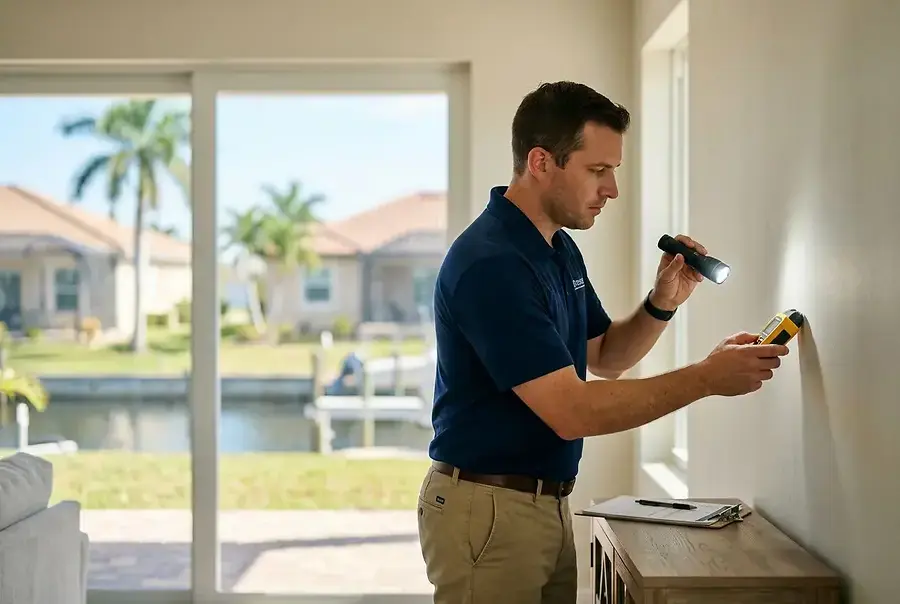
Understanding the Home Inspection Process and Why It Matters
Purchasing a home in Cape Coral or Fort Myers is one of the most significant financial decisions you'll make. A professional home inspection is your safeguard against costly surprises after closing. This comprehensive evaluation examines the property's structural integrity, systems, and overall condition, providing you with critical information to make an informed decision.
A qualified home inspector will spend 2-4 hours thoroughly examining your potential new home, creating a detailed report that documents findings, concerns, and recommendations. In Southwest Florida's unique environment—with its coastal conditions, intense heat, and humidity—a thorough inspection becomes even more essential. The inspection contingency in your purchase agreement gives you the right to request repairs, credits, or even walk away if significant issues are discovered.
Why Professional Inspections Matter in Florida
Florida's climate presents unique challenges that inspectors must evaluate carefully. The combination of salt air, high humidity, intense UV exposure, and occasional severe weather creates conditions that accelerate wear and tear on homes. What might be a minor issue in other states can quickly become a major problem in Southwest Florida without proper maintenance and attention.
Key Areas Inspectors Evaluate in Florida's Climate and Coastal Conditions
Roof and Attic Inspection
Your roof is your home's first line of defense against Florida's weather. Inspectors evaluate shingle condition, flashing integrity, and proper ventilation. In Cape Coral and Fort Myers, salt spray can corrode metal components, and UV exposure degrades roofing materials faster than in other regions. Look for signs of deterioration, missing shingles, and proper installation around vents and chimneys.
Foundation and Structural Components
Florida's sandy soil and high water table create unique foundation challenges. Inspectors check for cracks, settling, and water intrusion. Concrete slabs are common in Southwest Florida, and inspectors will assess their condition carefully. Any signs of structural movement or foundation damage should be taken seriously and may warrant a specialized foundation inspection.
HVAC and Cooling Systems
Air conditioning isn't a luxury in Florida—it's essential. Inspectors evaluate your AC unit's age, efficiency, and maintenance history. They check refrigerant levels, ductwork condition, and thermostat functionality. Given the constant use in our climate, a well-maintained HVAC system is crucial for both comfort and preventing mold growth.
Plumbing and Water Systems
Florida's corrosive salt air affects plumbing systems significantly. Inspectors examine:
- Water pressure and flow rates
- Pipe material and condition (copper, PVC, or galvanized)
- Water heater age and functionality
- Signs of leaks or water damage
- Septic system condition (if applicable)
Older homes may have outdated plumbing that requires replacement, which can be costly.
Electrical Systems
A thorough electrical inspection ensures safety and code compliance. Inspectors check the main panel, circuit breakers, outlets, and wiring. They verify proper grounding and look for signs of overloading or outdated systems. Aluminum wiring, found in some older homes, may require special attention due to fire risk.
Moisture and Mold Assessment
Southwest Florida's humidity creates ideal conditions for mold growth. Inspectors look for visible mold, water stains, and moisture issues in crawl spaces, attics, and bathrooms. Proper ventilation and moisture barriers are critical in our climate. Any signs of water intrusion or excessive moisture should be addressed immediately.
Windows, Doors, and Exterior
Salt spray and UV exposure take their toll on exterior components. Inspectors evaluate window and door seals, frame condition, and proper installation. They check for corrosion on metal components and assess the condition of siding, trim, and caulking. Proper sealing is essential to prevent water intrusion and maintain energy efficiency.
Pool and Spa Systems
If your potential home includes a pool or spa, inspectors evaluate equipment condition, water chemistry systems, and structural integrity. Pool maintenance can be expensive, so understanding the system's condition is important for budgeting.
How to Interpret Inspection Reports and Negotiate Repairs Effectively
Understanding the Report Structure
Home inspection reports typically categorize findings into three levels: major concerns (significant issues requiring immediate attention), minor concerns (maintenance items or small repairs), and observations (informational notes). Focus your attention on major concerns first, as these directly impact your safety and the home's value.
Prioritizing Issues
Not every finding requires negotiation. Distinguish between:
- Safety Issues: Electrical hazards, structural problems, or mold—these are non-negotiable
- Major Systems: HVAC, plumbing, or roof problems that affect livability
- Maintenance Items: Caulking, paint, or minor repairs that are normal wear and tear
Negotiation Strategies
After receiving the inspection report, you have several options. You can request repairs from the seller, ask for a credit toward closing costs, or negotiate a price reduction. In Cape Coral and Fort Myers' competitive market, be strategic. Sellers may be more willing to offer credits than make repairs, allowing you to choose your own contractors.
Obtain repair estimates for major issues before negotiating. This gives you concrete numbers and strengthens your position. Be reasonable in your requests—asking for repairs on every minor item may cause the seller to withdraw from the deal.
When to Walk Away
If the inspection reveals major structural issues, extensive mold, or foundation problems that would cost tens of thousands to repair, seriously consider walking away. Your inspection contingency protects you—use it if necessary. A home that requires major repairs may not be the right investment, regardless of its initial appeal.
Conclusion: Making Informed Decisions Before Closing Your Dream Home
A professional home inspection is your most valuable tool in the home-buying process. In Cape Coral and Fort Myers, where coastal conditions and Florida's climate create unique challenges, a thorough inspection becomes even more critical. By understanding what inspectors evaluate, how to interpret their findings, and how to negotiate effectively, you protect your investment and avoid costly surprises.
Take the inspection process seriously, ask questions, and don't hesitate to request additional evaluations for areas of concern. Your dream home should be a sound investment, and a comprehensive inspection ensures you're making an informed decision before closing. With proper due diligence, you'll move forward with confidence in your Southwest Florida home purchase.


