Home Inspection Essentials for Cedar City and Milford Buyers
Learn the critical inspection checklist that protects your investment in Utah's residential market.

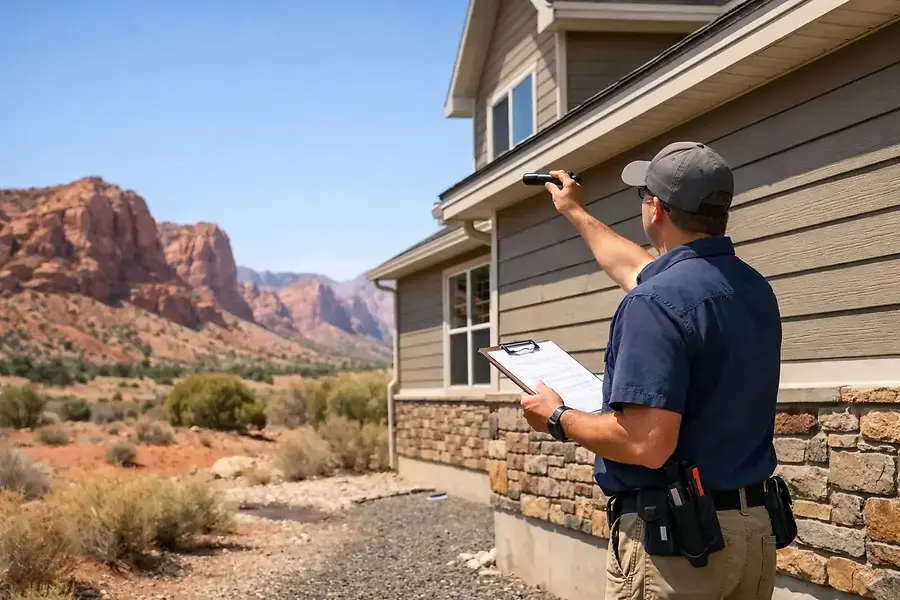
Why Home Inspections Matter in Cedar City and Milford
Purchasing a home is one of the most significant financial decisions you'll make. In Cedar City and Milford, where the real estate market is competitive and properties vary widely in age and condition, a thorough home inspection is your best defense against costly surprises. A professional home inspection provides an objective assessment of your potential property's structural integrity, systems, and overall condition before you commit to the purchase.
Many buyers skip or rush through inspections to close deals quickly, but this approach can lead to expensive repairs and safety issues down the road. In Utah's unique climate and terrain, certain problems are more common than others. Understanding what inspectors look for—and what you should ask about—empowers you to make informed decisions and negotiate effectively with sellers.
Key Areas to Inspect in Utah Homes: Climate and Construction Considerations
Foundation and Structural Integrity
Utah's soil composition and seasonal temperature fluctuations can cause foundation issues over time. Inspectors will look for:
- Cracks in the foundation or basement walls
- Signs of settling or shifting
- Water damage or moisture intrusion
- Proper grading around the foundation to direct water away from the home
Why it matters: Foundation problems are expensive to repair and can affect the entire home's stability. In Cedar City and Milford, where freeze-thaw cycles are common, foundation stress is a legitimate concern.
Roof and Exterior
Utah's high elevation and intense sun exposure can accelerate roof deterioration. Your inspector will examine:
- Roof age and remaining lifespan
- Shingle condition and missing or damaged pieces
- Flashing around chimneys, vents, and skylights
- Gutters and downspouts for proper drainage
- Exterior siding, paint, and caulking
A roof replacement can cost thousands of dollars, making this inspection critical for budgeting your purchase.
HVAC Systems
Heating and cooling systems work overtime in Utah's climate. Inspectors will verify:
- Age and condition of furnace and air conditioning units
- Proper ventilation and ductwork
- Thermostat functionality
- Regular maintenance records
Pro tip: Ask the seller for maintenance records. Well-maintained systems last longer and operate more efficiently.
Plumbing and Water Systems
Utah's water quality and mineral content can affect plumbing systems. Inspectors check for:
- Water pressure and flow
- Pipe material and condition (galvanized, copper, PEX)
- Signs of leaks or water damage
- Water heater age and functionality
- Septic system condition (if applicable)
Electrical Systems
Older homes may have outdated electrical systems that don't meet current safety standards. Inspectors will evaluate:
- Panel capacity and condition
- Proper grounding and bonding
- Presence of GFCI outlets in wet areas
- Wiring condition and safety
Insulation and Energy Efficiency
Utah's cold winters and hot summers make proper insulation essential. Your inspector will assess attic insulation, wall insulation, and weatherstripping to help you understand heating and cooling costs.
Red Flags and What They Mean for Your Offer
Major Red Flags
Foundation cracks or water intrusion: These indicate serious structural or moisture problems that require professional remediation. Consider requesting a structural engineer's assessment before proceeding.
Roof age over 20 years: Most roofs last 15-25 years. An aging roof may need replacement soon, which is a significant expense. Factor this into your offer or request the seller address it.
Outdated electrical systems: Knob-and-tube wiring or aluminum wiring present safety and insurance issues. Budget for rewiring if necessary.
Mold or extensive water damage: These problems indicate ongoing moisture issues and potential health hazards. Professional remediation is costly and time-consuming.
Minor Red Flags
Deferred maintenance: Missing caulk, peeling paint, or unmaintained landscaping suggest the owner hasn't kept up with the property. This may indicate hidden problems.
Outdated systems: Older furnaces, water heaters, or air conditioning units may still function but could fail soon. Plan for replacement costs.
Poor ventilation: Inadequate attic or bathroom ventilation can lead to moisture problems and mold growth over time.
Using Inspection Results in Negotiations
Armed with your inspection report, you have leverage in negotiations. You can:
- Request the seller make repairs before closing
- Ask for a credit toward repairs you'll handle yourself
- Renegotiate the purchase price based on needed repairs
- Walk away if issues are too severe or costly
Remember: Sellers are often more willing to negotiate on price than to make repairs themselves. Get contractor estimates for major issues to support your negotiation position.
Making Informed Decisions Before You Buy
A comprehensive home inspection is an investment in your peace of mind and financial security. In Cedar City and Milford's real estate market, where properties range from historic homes to newer constructions, understanding a home's true condition is invaluable.
Best practices for the inspection process:
- Hire a licensed, certified home inspector with local experience
- Attend the inspection if possible to ask questions and see issues firsthand
- Request a detailed written report with photos and recommendations
- Have a real estate agent or attorney review the report with you
- Get contractor estimates for any major repairs before finalizing your offer
Don't let inspection results discourage you from a property you love. Instead, use them as a tool to understand what you're buying and to make smart financial decisions. Every home has some issues—the goal is to identify them, understand their impact, and decide if the property is right for you at the right price.
By taking home inspections seriously and understanding what to look for, you're protecting your investment and ensuring that your new Cedar City or Milford home is a sound financial decision for years to come.