Home Inspection Essentials for Charleston and Mount Pleasant Buyers
Discover what professional home inspectors look for and how to protect your investment in today's competitive market.

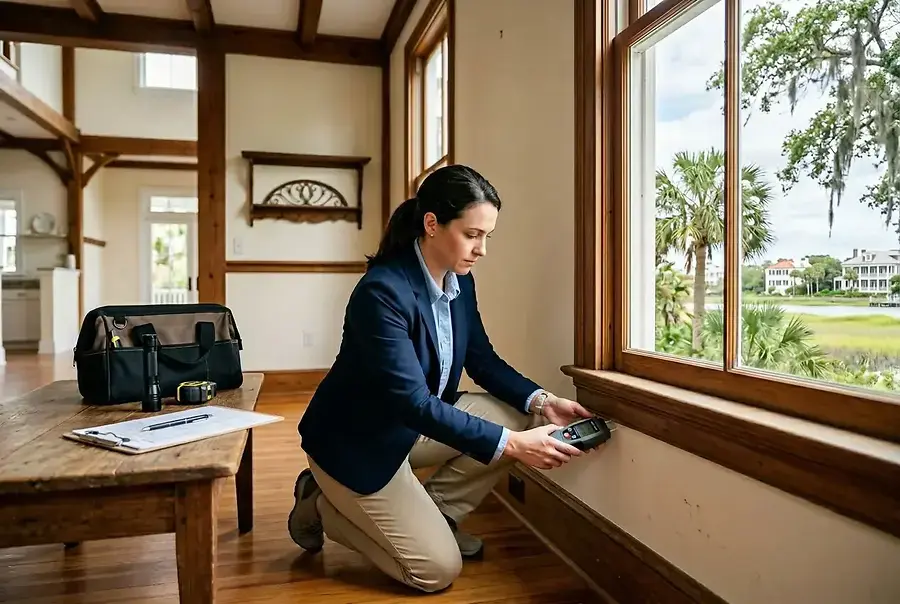
Why Home Inspections Matter in Charleston and Mount Pleasant
Purchasing a home is one of the most significant investments you'll make in your lifetime. In the competitive Charleston and Mount Pleasant real estate markets, buyers often feel pressured to make quick decisions and waive inspections to remain competitive. However, this approach can be financially devastating. A professional home inspection provides an objective assessment of a property's condition, helping you understand exactly what you're buying and identifying potential issues before they become expensive problems.
Home inspections serve as your protection against hidden defects, structural issues, and costly repairs that could drain your finances after closing. In coastal areas like Charleston and Mount Pleasant, where properties face unique environmental challenges, inspections are particularly crucial.
What Home Inspectors Examine: The Complete Checklist
Structural Components
Professional inspectors begin by evaluating the home's foundation, framing, and overall structural integrity. They look for cracks, settling, water damage, and signs of foundation movement. In Charleston and Mount Pleasant, where many homes are older or built in areas with high water tables, foundation issues are a common concern that requires careful examination.
Roofing and Exterior
Inspectors examine the roof's age, condition, and remaining lifespan. They check for missing shingles, leaks, improper ventilation, and signs of wear. The exterior assessment includes siding, windows, doors, gutters, and drainage systems. Proper drainage is essential in coastal areas to prevent water intrusion and foundation problems.
Plumbing Systems
A thorough plumbing inspection checks water pressure, pipe materials, and the condition of fixtures. Inspectors test drains, identify potential leaks, and assess water heater functionality. In older Charleston homes, outdated plumbing systems may need upgrades to meet current standards.
Electrical Systems
Inspectors verify that electrical panels are properly grounded, outlets are safely installed, and the system can handle modern power demands. They identify outdated wiring, potential fire hazards, and code violations. This is particularly important in historic homes where electrical systems may not meet current safety standards.
HVAC Systems
Heating, ventilation, and air conditioning systems are tested for proper operation, efficiency, and maintenance needs. Inspectors assess the age of units and estimate remaining lifespan. In the humid Charleston climate, properly functioning HVAC systems are essential for comfort and preventing mold growth.
Interior Components
Inspectors examine walls, ceilings, floors, and insulation for damage, moisture, and proper installation. They check doors, windows, and built-in appliances. They also look for signs of pest infestations, mold, and water damage throughout the home.
Common Issues Found in Coastal Properties and How to Address Them
Water Intrusion and Moisture Problems
Coastal properties face constant exposure to moisture and salt air. Common issues include:
- Foundation cracks and seepage: Water can enter through foundation cracks, especially during heavy rains or storm surge.
- Roof leaks: Coastal weather patterns can accelerate roof deterioration.
- Basement flooding: Properties in low-lying areas may experience periodic flooding.
Address these issues by installing proper drainage systems, applying waterproof sealants, and ensuring gutters and downspouts direct water away from the foundation.
Salt Air Corrosion
The salt-laden air in Charleston and Mount Pleasant accelerates corrosion of metal components, including:
- HVAC units and metal roofing
- Plumbing fixtures and pipes
- Electrical components and wiring
Regular maintenance, protective coatings, and using corrosion-resistant materials can extend the lifespan of these components.
Mold and Mildew
The warm, humid climate creates ideal conditions for mold growth. Inspectors look for visible mold, water stains, and musty odors. Proper ventilation, dehumidification, and prompt repair of water damage are essential preventative measures.
Pest Infestations
Termites, carpenter ants, and other pests thrive in coastal environments. Inspectors check for signs of infestation, including wood damage and mud tubes. Regular pest inspections and preventative treatments are recommended for coastal properties.
Hurricane and Storm Damage
Even if a home wasn't directly damaged by recent storms, inspectors assess the property's resilience. They evaluate roof condition, window and door integrity, and structural reinforcement. Consider upgrading to impact-resistant windows and reinforced doors in hurricane-prone areas.
Using Inspection Reports to Make Confident Offers
Understanding Your Report
A comprehensive inspection report details every finding, categorized by severity. Items are typically classified as:
- Safety concerns: Issues that pose immediate danger and require urgent attention.
- Major repairs: Significant problems affecting home systems or structure.
- Minor repairs: Small issues that should be addressed but aren't urgent.
- Maintenance recommendations: Suggestions for ongoing care and upkeep.
Negotiating After Inspection
Use your inspection report as a negotiating tool. You have several options:
- Request the seller make repairs before closing
- Ask for a credit toward closing costs to handle repairs yourself
- Renegotiate the purchase price based on repair estimates
- Walk away from the deal if issues are too significant
In Charleston and Mount Pleasant's competitive market, having a detailed inspection report strengthens your negotiating position by providing objective evidence of needed repairs.
Planning for Future Maintenance
Even if you don't negotiate repairs, the inspection report serves as a valuable maintenance guide. It helps you understand your home's systems, identify upcoming expenses, and plan for preventative maintenance. This knowledge allows you to budget for repairs and avoid costly emergency situations.
Conclusion: Making Your Investment Secure
A professional home inspection is an investment in your peace of mind and financial security. In Charleston and Mount Pleasant's dynamic real estate market, inspections provide the information you need to make confident offers and protect your investment. Don't let competitive pressure push you into skipping this critical step. Instead, use inspection reports as your guide to understanding exactly what you're buying and negotiating the best possible deal.
By understanding what inspectors look for, recognizing common coastal property issues, and knowing how to use inspection findings, you'll be well-equipped to navigate the home buying process with confidence and clarity.