Home Inspection Essentials for Colorado Mountain Communities
What Nederland, Denver, and Boulder buyers need to know before closing on their property.

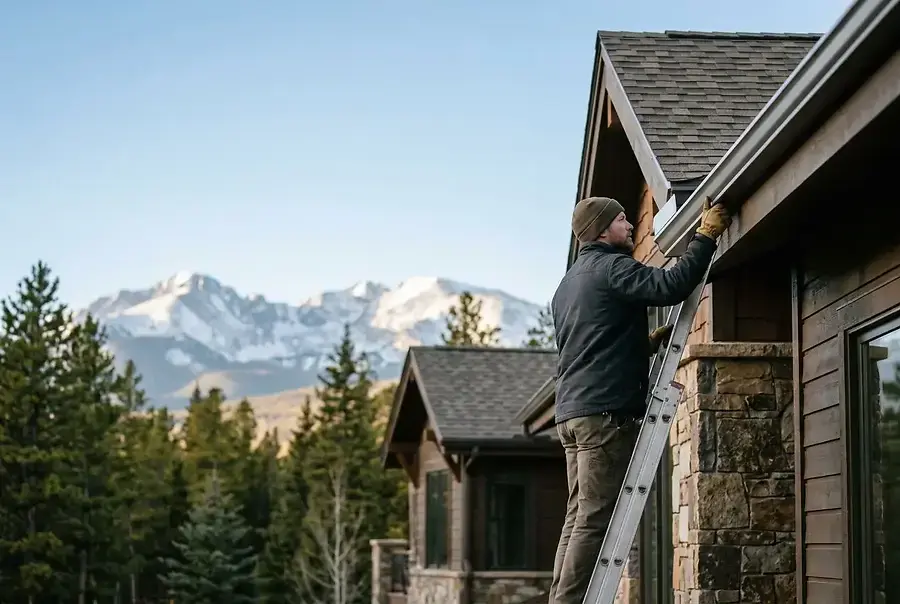
Understanding Altitude and Climate Challenges in Mountain Home Inspections
Buying a home in Colorado's mountain communities comes with unique considerations that differ significantly from lowland properties. The combination of high altitude, extreme weather patterns, and challenging terrain creates specific inspection priorities that every buyer should understand.
Mountain properties in Nederland, Denver, and Boulder face distinct environmental pressures. At elevations ranging from 5,000 to over 10,000 feet, homes experience intense UV radiation, rapid temperature fluctuations, and significant snow loads. These factors accelerate wear on building materials and systems in ways that inspectors in other regions rarely encounter.
The thin mountain air also affects how homes perform. Oxygen levels impact combustion efficiency in furnaces and water heaters, while pressure differences can create unexpected air leakage patterns. Understanding these altitude-specific challenges helps buyers make informed decisions about their investment.
Critical Systems to Evaluate: Foundations, Roofing, and Water Management
Foundation Integrity in Mountain Terrain
Mountain properties often sit on slopes or unstable soil conditions that demand careful foundation evaluation. Look for signs of settling, cracking, or shifting that indicate foundation problems. Colorado's freeze-thaw cycles are particularly harsh on foundations, as water penetrates cracks, freezes, and expands, causing progressive damage.
Key foundation concerns include:
- Horizontal or stair-step cracks indicating structural movement
- Water seepage or dampness in basements and crawl spaces
- Uneven floors or doors that don't close properly
- Evidence of previous repairs or patching
Roofing Systems Under Mountain Stress
Mountain roofs endure some of the harshest conditions in the country. Heavy snow loads, intense sun exposure, and rapid weather changes demand superior roofing materials and installation. A thorough inspection should assess roof age, material condition, and structural support capacity.
Critical roofing evaluation points:
- Roof age and remaining lifespan (mountain roofs typically last 15-20 years)
- Snow load capacity and structural support beams
- Flashing integrity around chimneys, vents, and valleys
- Proper attic ventilation to prevent ice dams
- Evidence of previous leaks or water damage
Water Management Systems
Water management is perhaps the most critical system in mountain homes. Proper drainage, gutters, and grading prevent costly water damage that can compromise structural integrity. Mountain properties receive significant precipitation, both as rain and snow melt, making effective water management essential.
Inspect gutters, downspouts, and grading around the foundation. Ensure water flows away from the structure and that drainage systems are clear and functional. Look for signs of water intrusion, including staining, mold, or musty odors in basements and crawl spaces.
Red Flags Specific to Colorado Properties and Mountain Terrain
Altitude-Related Issues
Several problems are unique to Colorado mountain properties. Radon gas is a significant concern in Colorado, particularly in mountain communities. This naturally occurring radioactive gas seeps from soil and rock, accumulating in homes. Radon testing should be a non-negotiable part of any mountain home inspection.
Additionally, inspect HVAC systems carefully. Mountain altitude affects heating efficiency, and many older systems may struggle to maintain comfortable temperatures. Look for properly functioning furnaces, water heaters, and ventilation systems designed for high-altitude operation.
Structural and Environmental Concerns
Wildfire risk is an increasingly important consideration for mountain properties. While not directly related to home structure, proximity to forested areas and defensible space around the property affect insurance costs and long-term safety. Ask your inspector about fire-resistant materials and clearance from vegetation.
Soil stability and erosion present additional concerns. Mountain slopes can shift, settle, or erode, affecting foundations and structural integrity. Properties on steep slopes require careful evaluation of soil conditions and drainage patterns.
Septic and Water Systems
Many mountain properties rely on septic systems and well water rather than municipal services. These systems require specialized inspection by qualified professionals. Septic systems must handle freeze-thaw cycles, while wells need testing for water quality and adequate supply, especially during dry seasons.
Preparing for Your Inspection and Protecting Your Investment
Choosing the Right Inspector
Select an inspector with specific experience in Colorado mountain properties. General home inspectors may miss altitude-specific issues or mountain-terrain concerns. Ask potential inspectors about their experience with properties in Nederland, Denver, and Boulder, and request references from previous mountain home clients.
Ensure your inspector is certified and insured, and verify they conduct thorough evaluations of all systems. A comprehensive mountain home inspection typically takes 3-4 hours and should include detailed documentation with photographs.
What to Expect During the Inspection
Plan to be present during the inspection. This allows you to ask questions and understand issues firsthand. Your inspector should evaluate:
- Structural integrity and foundation condition
- Roofing materials, age, and condition
- HVAC systems and altitude-appropriate heating
- Plumbing and water systems
- Electrical systems and safety
- Radon levels and air quality
- Water management and drainage
- Attic ventilation and insulation
Taking Action on Inspection Findings
Once you receive the inspection report, prioritize issues by severity. Major structural problems, foundation issues, and water intrusion require immediate attention and may warrant renegotiation or withdrawal from the purchase.
Obtain repair estimates for significant issues and factor these costs into your final offer. Some problems, like roof replacement or foundation repair, can cost $15,000 to $50,000 or more in mountain communities where labor and materials are premium-priced.
Don't skip the follow-up inspection. After repairs are completed, hire your inspector to verify that work was done properly and meets standards.
Long-Term Investment Protection
A thorough inspection protects your investment and provides peace of mind. Understanding your mountain home's condition allows you to budget for maintenance and plan for future repairs. Regular maintenance—particularly roof inspections, gutter cleaning, and foundation monitoring—extends your home's lifespan and prevents costly emergency repairs.
Mountain living offers incredible beauty and lifestyle benefits, but it requires informed decision-making. By understanding altitude-specific challenges, evaluating critical systems thoroughly, and working with experienced professionals, you'll make a confident purchase decision and protect your Colorado mountain investment for years to come.