Home Inspection Essentials for Coral Gables and Miami Buyers
Master the critical steps to protect your investment and avoid costly surprises in South Florida real estate.

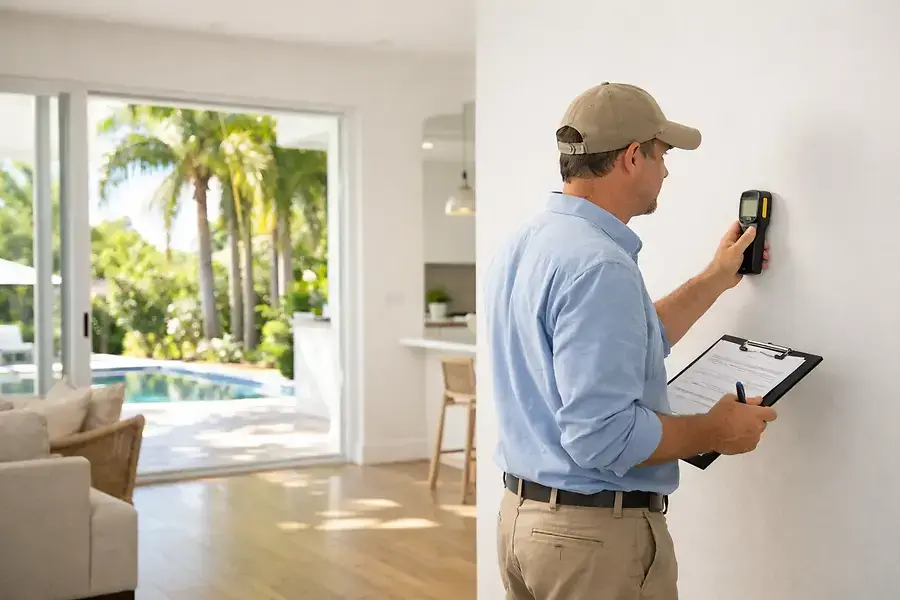
Why Professional Home Inspections Matter in South Florida
Purchasing a home in Coral Gables or Miami is one of the most significant financial decisions you'll make. The South Florida climate presents unique challenges that can impact property conditions in ways that buyers from other regions may not anticipate. Professional home inspections are your first line of defense against inheriting expensive problems.
In South Florida, properties face constant exposure to humidity, salt air, intense UV rays, and tropical storms. These environmental factors can accelerate wear and tear on roofing materials, HVAC systems, plumbing, and structural components. A thorough inspection identifies issues before they become catastrophic—and expensive.
Don't skip this critical step. Many buyers attempt to save money by forgoing professional inspections, only to discover thousands of dollars in repairs after closing. A professional inspector provides an objective assessment of your potential investment and gives you leverage in negotiations.
Key Areas to Evaluate During a Home Inspection
Roof and Exterior
South Florida's roofs endure relentless sun exposure and hurricane-force winds. During inspection, evaluators should check for:
- Missing, cracked, or curling shingles
- Proper flashing around chimneys and vents
- Signs of water damage or leaks
- Age of the roof (most roofs last 15-20 years in Florida)
- Proper drainage and gutter condition
The exterior also includes walls, windows, and doors. Look for cracks in stucco, deteriorating caulking, and window seals that may allow water intrusion—a common problem in humid climates.
HVAC Systems
Air conditioning isn't a luxury in South Florida; it's essential. Your inspector should verify that the AC unit is properly sized, well-maintained, and functioning efficiently. Check the age of the system, refrigerant levels, and whether the unit has been serviced regularly. A failing AC system can cost $5,000-$15,000 to replace.
Plumbing and Water Systems
Florida's high water table and salt-laden air create unique plumbing challenges. Inspectors should evaluate:
- Water pressure and flow rates
- Pipe material and condition (older homes may have corroded pipes)
- Water heater age and functionality
- Signs of leaks or water damage
- Sump pump operation (critical in flood-prone areas)
Foundation and Structural Integrity
South Florida's limestone foundation can be susceptible to settling and sinkholes. Look for cracks in walls, uneven floors, or doors that don't close properly. These may indicate foundation issues that require professional evaluation.
Electrical Systems
Ensure the electrical panel is up to code and properly grounded. Check for outdated wiring, insufficient outlets, and any signs of electrical hazards. Older homes may need electrical upgrades to meet current safety standards.
Moisture and Mold
In South Florida's humid environment, moisture intrusion and mold growth are serious concerns. Inspectors should check attics, crawl spaces, and areas around windows and doors for signs of moisture damage or mold. Mold remediation can be costly and health-hazardous.
Understanding Inspection Reports and Red Flags
What to Look For
A comprehensive inspection report should be detailed and easy to understand. It typically includes:
- Photographs of problem areas
- Descriptions of each system evaluated
- Condition ratings (good, fair, poor)
- Estimated repair costs for identified issues
- Recommendations for further evaluation by specialists
Critical Red Flags
Some findings warrant serious consideration before proceeding with your purchase:
- Roof replacement needed: This is expensive and urgent in Florida.
- Foundation cracks or settling: Requires structural engineer evaluation.
- Active mold or water damage: Can indicate systemic moisture problems.
- Outdated electrical systems: May require complete rewiring.
- HVAC system failure: Replacement is costly and necessary for livability.
- Plumbing issues: Corroded pipes may need replacement throughout the home.
Using Inspection Results in Negotiations
Once you receive the inspection report, you have options. You can:
- Request the seller make repairs before closing
- Negotiate a price reduction to cover repair costs
- Ask for credits toward repairs you'll handle yourself
- Walk away from the deal if issues are too significant
In Coral Gables and Miami's competitive real estate market, inspection contingencies are your protection. Use them wisely.
Taking Action on Inspection Findings
After reviewing the inspection report, prioritize issues by urgency and cost. Safety-critical items (electrical hazards, structural problems, mold) should be addressed immediately. Cosmetic issues can often wait.
Consider obtaining specialist evaluations for major concerns. A structural engineer, mold inspector, or licensed contractor can provide detailed assessments and repair estimates that strengthen your negotiating position.
Remember: a home inspection isn't about finding reasons to back out of a deal—it's about making an informed decision. Many homes have minor issues that are easily corrected. The goal is to understand what you're buying and budget accordingly.
By investing in a professional home inspection and carefully reviewing the findings, you protect your investment and ensure your South Florida home is a source of pride and security for years to come.


