Home Inspection Essentials for El Paso and Las Cruces Buyers
Discover what professional inspectors look for and how to protect your investment in the border region real estate market.

Why Home Inspections Matter in Your Purchase
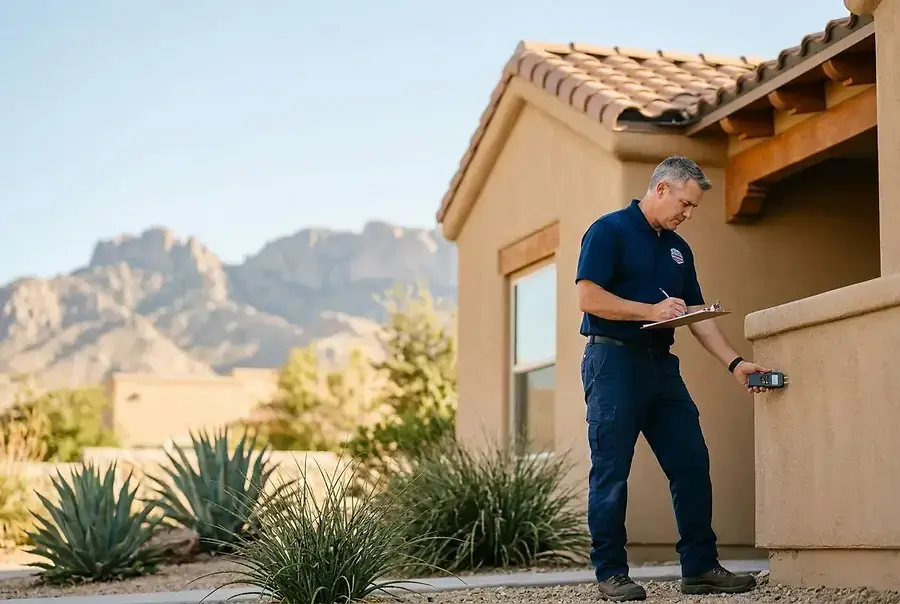
Purchasing a home is one of the most significant financial decisions you'll make in your lifetime. Whether you're buying in El Paso or Las Cruces, a professional home inspection is your safeguard against costly surprises down the road. An inspection provides an objective assessment of a property's condition, revealing potential issues that may not be visible during a casual walkthrough.
In the border region's unique climate and construction landscape, certain issues are more prevalent than in other areas. A qualified inspector understands these regional challenges and knows exactly what to look for. By investing in a thorough inspection, you're not just protecting your wallet—you're making an informed decision about one of your most valuable assets.
The inspection process typically costs between $300 and $500, a small price compared to the potential expenses of addressing undiscovered problems after closing. Many buyers find that the peace of mind alone makes this investment worthwhile.
Key Inspection Areas Specific to El Paso and Las Cruces Climate
Foundation and Structural Integrity
The desert climate of El Paso and Las Cruces creates unique challenges for home foundations. Expansive clay soils and extreme temperature fluctuations can cause foundation settling, cracking, and shifting over time. Inspectors pay close attention to:
- Visible cracks in foundation walls or concrete slabs
- Uneven floors or doors that don't close properly
- Water damage or moisture intrusion in basements or crawl spaces
- Signs of previous foundation repairs or settling
Roof and Weather Protection
The intense sun and occasional severe weather in the region demand a robust roof system. Inspectors examine roofing materials for:
- Sun damage, fading, or deterioration of shingles
- Proper ventilation and insulation
- Flashing integrity around chimneys and vents
- Age of the roof and remaining lifespan
A well-maintained roof can last 15-20 years in this climate, but premature failure is common without proper care.
HVAC Systems and Cooling Efficiency
Air conditioning isn't a luxury in El Paso and Las Cruces—it's essential. Inspectors evaluate:
- Age and condition of the air conditioning unit
- Proper refrigerant levels and system efficiency
- Ductwork integrity and insulation
- Thermostat functionality and calibration
A failing AC system in this region can be extremely costly to replace, making this inspection area particularly important.
Plumbing and Water Systems
Hard water is common in the border region, affecting pipes and fixtures. Inspectors look for:
- Mineral buildup and corrosion in pipes
- Water pressure and flow rates
- Condition of water heaters and their age
- Proper drainage and sewer line functionality
Electrical Systems
Older homes in the area may have outdated electrical systems. Professional inspectors check for:
- Adequate grounding and proper circuit breaker operation
- Sufficient outlets and modern safety features
- Signs of overloaded circuits or fire hazards
- Compliance with current electrical codes
Pest and Termite Damage
The desert environment attracts various pests. Inspectors assess for:
- Signs of termite or wood-boring insect damage
- Evidence of rodent infestation
- Proper pest prevention measures
- Structural damage from previous infestations
Understanding Your Inspection Report and Next Steps
What to Expect in Your Report
A comprehensive inspection report will include detailed findings organized by system and area. The report typically categorizes issues as:
- Critical Issues: Problems that pose safety risks or require immediate attention
- Major Repairs: Significant issues affecting home systems or structure
- Minor Issues: Small problems or maintenance recommendations
Negotiating After Inspection
Once you receive your inspection report, you have several options. You can request that the seller make repairs, offer a credit toward closing costs, or renegotiate the purchase price. Don't skip this step—it's your opportunity to address concerns before finalizing the purchase.
In El Paso and Las Cruces, common negotiation points include roof repairs, HVAC system replacement, and foundation stabilization. Be realistic about which issues are deal-breakers and which you're willing to address yourself.
Follow-Up Inspections
If major repairs are agreed upon, consider scheduling a follow-up inspection to verify that work was completed properly. This ensures you're getting what you paid for and that repairs meet local building codes.
Making Informed Decisions as a Smart Homebuyer
A home inspection is more than just a formality—it's a critical tool for protecting your investment. By understanding what inspectors look for in the El Paso and Las Cruces market, you're better equipped to evaluate properties and make confident purchasing decisions.
Remember that no home is perfect. The goal of an inspection isn't to find reasons to walk away, but to understand what you're buying and plan for future maintenance and repairs. Armed with this knowledge, you can move forward with your purchase knowing you've done your due diligence.
A thorough home inspection is the best investment you can make when buying property in the border region. It protects your financial interests and gives you the confidence to move forward with your purchase.
Take your time reviewing the inspection report, ask your inspector questions, and don't hesitate to seek professional advice from your real estate agent or attorney. Your future self will thank you for being a thorough and informed homebuyer.


