Home Inspection Essentials for First-Time Buyers in Bowie, Maryland
Learn the critical inspection items that protect your investment and reveal potential issues before closing day.

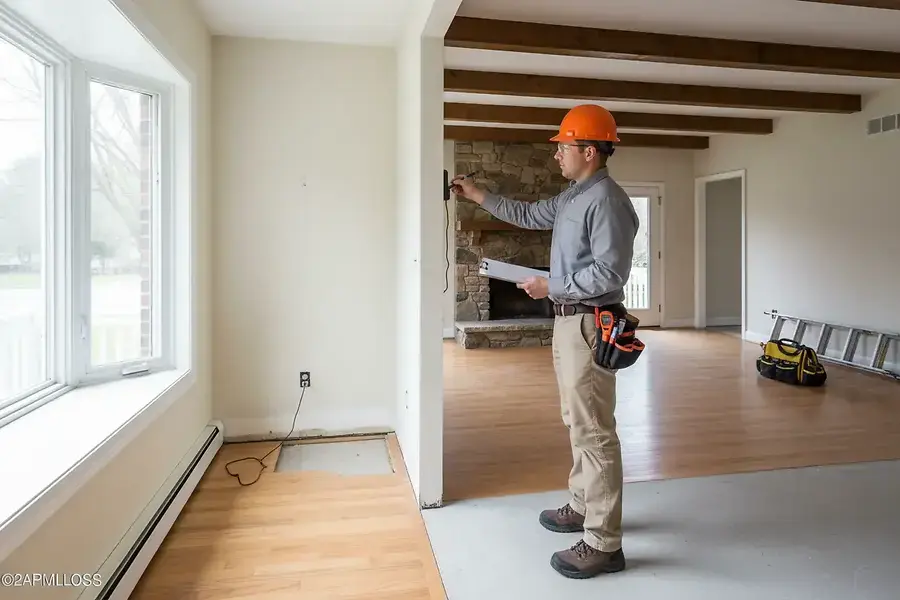
Why Home Inspections Matter in Bowie's Competitive Market
Purchasing a home is one of the most significant investments you'll make in your lifetime. In Bowie's competitive real estate market, first-time buyers often feel pressured to move quickly and make offers without thorough due diligence. However, skipping or rushing through a home inspection can lead to costly surprises after closing day.
A professional home inspection provides an objective assessment of a property's condition, identifying structural issues, system failures, and maintenance needs that may not be visible to the untrained eye. For first-time buyers in Bowie, this inspection serves as a critical safeguard, giving you the information needed to make informed decisions and negotiate repairs or price adjustments before you commit to the purchase.
Essential Structural and Systems to Evaluate During Your Inspection
Foundation and Structural Integrity
The foundation is the backbone of any home. During your inspection, look for cracks in the foundation, basement walls, or crawl spaces. Small hairline cracks are often normal, but larger cracks or signs of water intrusion require professional evaluation. Bowie homes, particularly older properties, may experience settling issues that need attention.
Roofing System
Your roof protects everything beneath it. Inspectors will evaluate:
- Shingle condition and age
- Flashing around chimneys and vents
- Gutters and downspouts
- Signs of leaks or water damage in the attic
Maryland's weather patterns, including heavy rain and occasional snow, can accelerate roof deterioration. Knowing the roof's age and condition helps you budget for future replacement.
Plumbing and Water Systems
Inspectors will check water pressure, drainage, and the condition of pipes throughout the home. Older Bowie homes may have outdated plumbing materials that could require replacement. Look for signs of leaks, water stains, and the functionality of fixtures. Water heater age and condition are also critical—most units last 8-12 years.
Electrical System
A thorough electrical inspection ensures your home meets current safety standards. Inspectors examine:
- Panel capacity and condition
- Grounding and bonding
- Outlet and switch functionality
- Presence of outdated wiring (such as knob-and-tube)
Outdated electrical systems may need upgrades to safely handle modern appliance loads.
HVAC System
Your heating, ventilation, and air conditioning system is essential for comfort and indoor air quality. Inspectors evaluate the furnace or heat pump, air conditioning unit, ductwork, and thermostat. Regular maintenance history and age are important factors in determining remaining lifespan and potential repair costs.
Common Issues Found in Bowie Homes and How to Address Them
Water Intrusion and Moisture Problems
Bowie's humid climate and frequent rainfall make water intrusion a common concern. Look for:
- Basement or crawl space dampness
- Mold or mildew growth
- Water stains on ceilings or walls
- Inadequate grading or drainage around the foundation
Addressing drainage issues early prevents expensive structural damage. Solutions may include grading adjustments, gutter improvements, or sump pump installation.
Aging Systems and Deferred Maintenance
Many Bowie homes are 30-50 years old, meaning original systems may be nearing the end of their lifespan. Budget for potential replacements of roofing, HVAC, plumbing, and electrical systems within the next 5-10 years. Request maintenance records from the seller to understand what work has been completed.
Pest Damage and Infestations
Termites, carpenter ants, and other pests can cause significant structural damage. A thorough inspection will identify signs of pest activity. If found, request a separate pest inspection and treatment plan before closing.
Insulation and Energy Efficiency
Inadequate insulation is common in older homes. Poor insulation leads to higher energy bills and reduced comfort. Ask your inspector about attic insulation levels and recommend upgrades if needed.
Using Inspection Results to Negotiate and Protect Your Purchase
Once you receive the inspection report, you have several options:
- Request repairs: Ask the seller to fix significant issues before closing.
- Request credits: Negotiate a price reduction to cover repair costs yourself.
- Walk away: If major issues exist, you may have grounds to terminate the contract, depending on your inspection contingency.
- Accept as-is: If issues are minor or you're comfortable with the property's condition, proceed with the purchase.
Pro tip: Hire a qualified, licensed home inspector with experience in Bowie properties. Their local knowledge of common issues and building practices is invaluable.
Review the inspection report carefully and ask your inspector to explain any concerns. Don't hesitate to request a follow-up conversation or site visit to clarify findings. Your real estate agent can help you determine which issues are negotiable and which are standard for homes in this price range and age.
Conclusion: Protecting Your Investment
A comprehensive home inspection is your best defense against unexpected costs and safety issues. By understanding what to look for and how to interpret inspection findings, first-time buyers in Bowie can make confident decisions and protect their investment.
Take the inspection process seriously, ask questions, and don't let competitive market pressure rush you into overlooking critical issues. The small investment in a thorough inspection now can save you thousands of dollars and countless headaches down the road.


