Home Inspection Essentials for Hillsborough and Polk County Buyers
Discover critical inspection checkpoints that protect your investment in Tampa Bay and Central Florida residential properties.

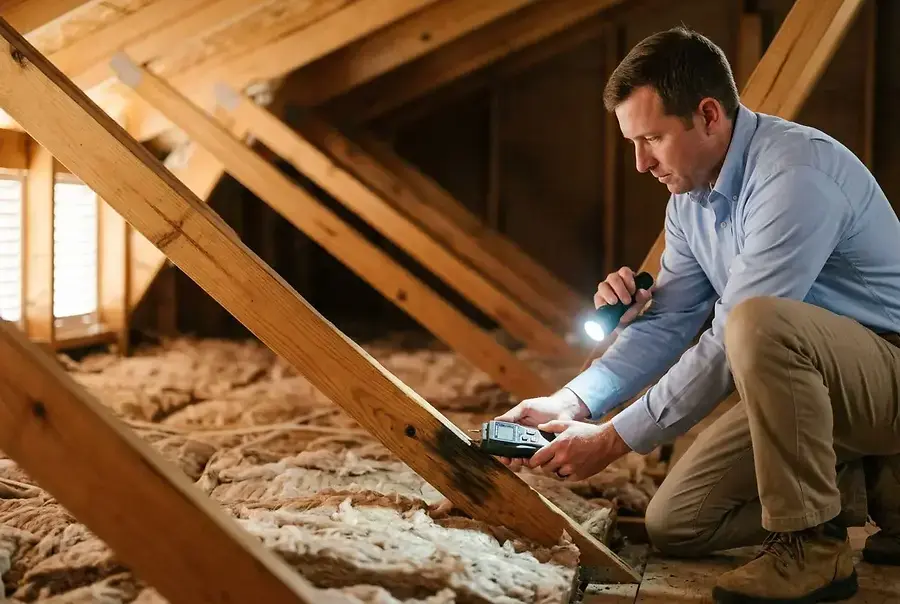
What Home Inspectors Look For in Florida's Climate
Florida's unique subtropical climate presents distinct challenges for homeowners. Professional home inspectors in Hillsborough and Polk County are trained to identify issues specific to our region's weather patterns, humidity levels, and environmental conditions.
Moisture and Humidity Damage
The most critical concern in Florida homes is moisture intrusion and humidity damage. Inspectors carefully examine:
- Roof condition and potential water leaks
- Attic ventilation and insulation integrity
- Foundation cracks and water seepage
- Basement and crawl space moisture levels
- Window and door seals for air leaks
High humidity can lead to mold growth, wood rot, and structural damage if not properly managed. A thorough inspection will reveal any existing moisture problems before they become expensive repairs.
Hurricane and Storm Preparedness
Living in Tampa Bay and Central Florida means preparing for hurricane season. Inspectors evaluate:
- Roof attachment and reinforcement
- Impact-resistant windows and doors
- Structural bracing and tie-downs
- Gutter and drainage systems
HVAC and Cooling Systems
Air conditioning systems work overtime in Florida's heat. Inspectors assess the age, efficiency, and condition of your cooling system, as replacement costs can exceed $5,000 for a complete unit.
Common Issues Found in Hillsborough and Polk County Homes
Roof Deterioration
Florida's intense sun and frequent storms take a toll on roofing materials. Roof age is a critical factor—most asphalt shingles last 15-20 years in our climate. Inspectors look for missing shingles, curling, granule loss, and structural sagging.
Plumbing Problems
Older homes in the region often have outdated plumbing systems. Common issues include:
- Corroded copper or galvanized pipes
- Polybutylene plastic pipes (known to fail)
- Inadequate water pressure
- Slow drains and sewer line issues
Replacing plumbing can be costly, making this a key negotiation point after inspection.
Electrical System Concerns
Homes built before the 1980s may have outdated electrical panels, insufficient outlets, or aluminum wiring—all potential safety hazards. Inspectors verify that systems meet current safety codes and can handle modern appliance loads.
Foundation and Structural Issues
Florida's sandy soil and high water table can cause foundation settling and cracks. Even minor cracks should be evaluated by a professional, as they may indicate more serious structural problems requiring expensive repairs.
Pool and Spa Conditions
Many Hillsborough and Polk County homes feature pools. Inspectors examine pump systems, filtration equipment, deck safety, and structural integrity. Pool repairs and equipment replacement represent significant expenses.
How to Prepare for and Interpret Your Inspection Report
Before the Inspection
Prepare your home and yourself for a thorough evaluation:
- Ensure all areas are accessible—attics, crawl spaces, and basements
- Make a list of any known issues to discuss with the inspector
- Plan to be present during the inspection to ask questions
- Arrange for utilities to be on so systems can be tested
Understanding Your Report
Home inspection reports typically categorize findings into three levels:
- Major Issues: Significant problems requiring immediate attention or major repairs
- Minor Issues: Small defects that don't affect safety but should be addressed
- Recommendations: Suggested improvements or maintenance items
Don't panic if your report identifies issues—every home has some defects. The inspection's purpose is to give you complete information before making your purchase decision.
Ask Questions
A professional inspector should be willing to explain findings in detail. Ask about:
- The severity and urgency of each issue
- Estimated repair costs
- Whether problems are safety concerns
- Recommended next steps or specialist evaluations
Using Inspection Findings to Negotiate Better Offers
Prioritize Your Concerns
Not all inspection findings warrant renegotiation. Focus on major structural issues, safety concerns, and expensive repairs. Minor cosmetic issues are typically the buyer's responsibility after closing.
Get Repair Estimates
Before negotiating, obtain written estimates from licensed contractors for significant repairs. This gives you concrete numbers to discuss with the seller and their agent.
Negotiation Strategies
You have several options when inspection reveals problems:
- Request repairs: Ask the seller to fix issues before closing
- Request credits: Negotiate a price reduction to cover repairs yourself
- Request escrow: Hold funds in escrow to ensure repairs are completed
- Renegotiate price: Adjust the offer based on total repair costs
Know Your Limits
In a competitive market, excessive repair requests may cause the seller to walk away. Be strategic and reasonable in your negotiations. Focus on items that significantly impact safety, livability, or long-term value.
Pro Tip: In Hillsborough and Polk County's dynamic real estate market, a professional home inspection is your best defense against costly surprises. The inspection fee is a small investment compared to potential repair costs.
Moving Forward Confidently
A thorough home inspection empowers you to make informed decisions about your purchase. Whether you're buying your first home or your fifth, understanding what inspectors look for and how to use their findings ensures you're protecting your investment in Tampa Bay and Central Florida.


