Home Inspection Essentials for Honolulu and Foothill Ranch Buyers
Discover the critical inspection points that protect your investment in these two distinct real estate markets.

Understanding Local Building Standards and Climate Challenges
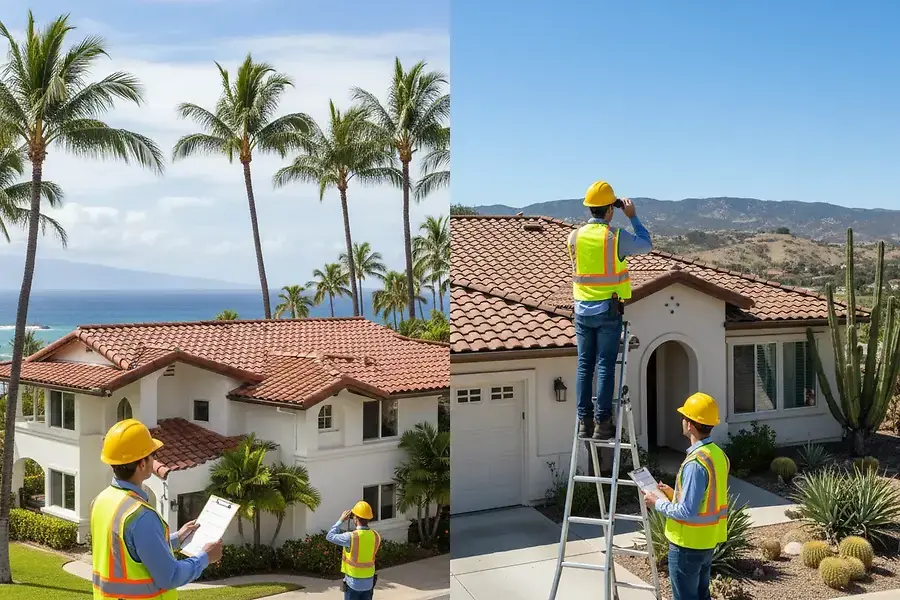
Buying a home in Honolulu or Foothill Ranch requires understanding the unique environmental and regulatory factors that affect each market. These two regions present distinctly different challenges that directly impact your home inspection priorities.
In Honolulu, the tropical climate brings constant exposure to salt air, high humidity, and intense UV radiation. These environmental factors accelerate corrosion and material degradation, making it essential to inspect for rust, mold, and weathering damage. Additionally, Hawaii's strict building codes emphasize hurricane resistance and structural integrity, reflecting the islands' vulnerability to severe weather.
In Foothill Ranch, located in Orange County, California, buyers face different challenges. The semi-arid climate, wildfire risk, and seismic activity require inspectors to focus on fire-resistant materials, proper grounding systems, and structural stability. California's rigorous building codes address earthquake safety and energy efficiency standards that differ significantly from Hawaiian requirements.
Key Areas to Inspect: From Foundation to Roof
Foundation and Structural Integrity
The foundation is your home's most critical component. In both markets, inspectors should examine:
- Cracks or settling patterns in concrete slabs
- Signs of water intrusion or moisture damage
- Proper drainage systems and grading
- Reinforcement and structural support systems
Honolulu properties require special attention to salt water intrusion and corrosion of rebar. Foothill Ranch homes need evaluation for earthquake-related structural concerns and proper foundation anchoring.
Roofing Systems
Your roof protects everything beneath it. In Honolulu, inspectors must verify:
- Hurricane-rated roofing materials and installation
- Proper ventilation to combat moisture and mold
- Flashing integrity around penetrations
- Signs of UV damage and material degradation
In Foothill Ranch, focus shifts to:
- Fire-resistant roofing materials (Class A rated)
- Proper clearance from trees and vegetation
- Structural support for seismic safety
- Adequate drainage and gutter systems
Plumbing and Water Systems
Water management is critical in both locations. Inspectors should check:
- Pipe materials and condition (copper, PVC, or galvanized steel)
- Water pressure and flow rates
- Septic or municipal sewer connections
- Water heater age and functionality
- Evidence of leaks or water damage
Honolulu properties often have unique challenges with salt water corrosion affecting pipes and fixtures. Foothill Ranch homes may require inspection of water conservation systems due to California's drought concerns.
Electrical Systems
A thorough electrical inspection protects your safety and investment. Verify:
- Panel capacity and circuit breaker functionality
- Grounding and bonding systems
- Outlet and switch conditions
- Proper installation of GFCI outlets in wet areas
- Compliance with current electrical codes
HVAC and Climate Control
Climate control systems work overtime in both markets. Inspectors should evaluate:
- Air conditioning unit age and efficiency
- Proper refrigerant levels and system maintenance
- Ductwork condition and insulation
- Thermostat functionality
- Ventilation adequacy for moisture control
Working with Qualified Inspectors in Each Market
Selecting the Right Inspector
Not all home inspectors are equally qualified for your specific market. When choosing an inspector, verify:
- Licensing and Certification: Ensure they hold current licenses required in Hawaii or California
- Local Experience: Look for inspectors with extensive experience in Honolulu or Foothill Ranch specifically
- Specializations: Consider inspectors with expertise in tropical climates or seismic safety
- Insurance and Bonding: Confirm they carry professional liability insurance
- References: Request and contact previous clients
What to Expect During the Inspection
A comprehensive home inspection typically takes 2-4 hours. The inspector will examine all accessible areas, test systems, and document findings. You should attend the inspection to ask questions and understand potential issues firsthand.
Request a detailed written report that includes photographs of problem areas and recommendations for repairs or further evaluation by specialists.
Using Inspection Reports to Negotiate and Protect Your Purchase
Understanding Your Report
Home inspection reports categorize findings by severity. Understand the difference between:
- Critical Issues: Safety hazards or major system failures requiring immediate attention
- Major Concerns: Significant defects affecting home value or functionality
- Minor Issues: Small repairs or maintenance items
Negotiation Strategies
Use your inspection report strategically in negotiations:
- Request seller repairs for critical and major issues
- Ask for credits toward repairs you'll handle yourself
- Negotiate price reductions based on repair costs
- Require specialized inspections for complex systems
A thorough inspection report is your most powerful negotiating tool. It provides objective documentation of the property's condition and gives you leverage to protect your investment.
Post-Inspection Protection
After negotiations conclude, maintain documentation of all agreed-upon repairs. Request proof of completion and warranties for any work performed. Consider hiring a follow-up inspector to verify that repairs meet standards before closing.
For ongoing protection, budget for regular maintenance and consider purchasing a home warranty that covers major systems. In Honolulu, prioritize preventative maintenance for salt air damage. In Foothill Ranch, stay current with fire safety inspections and seismic reinforcement recommendations.
Final Thoughts
Whether you're investing in a Honolulu oceanfront property or a Foothill Ranch hillside home, a thorough inspection is non-negotiable. By understanding local building standards, knowing what to inspect, working with qualified professionals, and using inspection reports strategically, you protect one of your most significant investments. Take time to ask questions, attend your inspection, and don't hesitate to request additional evaluations for complex systems. Your diligence today ensures peace of mind in your new home tomorrow.


