Home Inspection Essentials for Indianapolis First-Time Buyers
Learn what to look for during a home inspection to avoid costly surprises and make informed purchasing decisions.

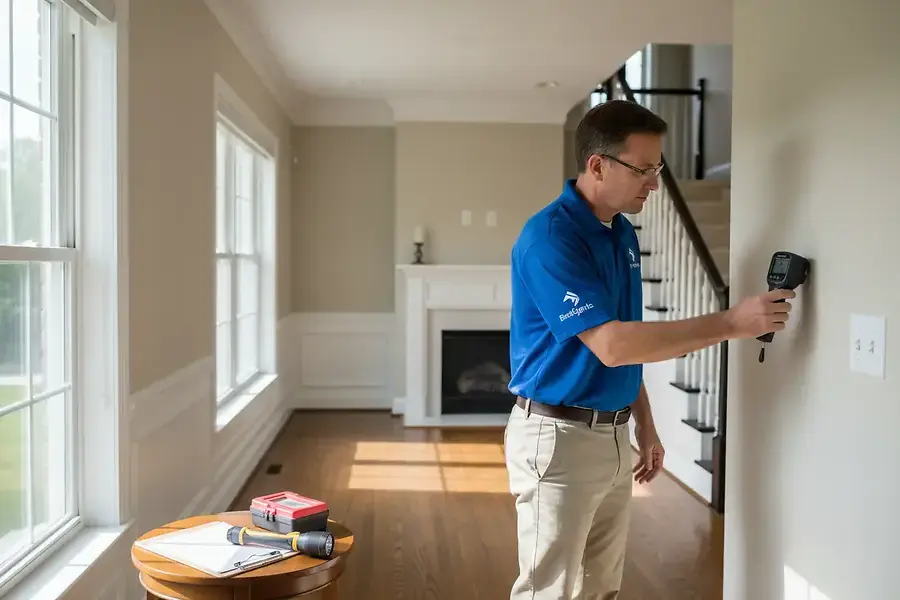
What Home Inspectors Look For in Indianapolis Properties
A comprehensive home inspection is one of the most important steps in the home-buying process. Professional inspectors in Indianapolis examine multiple systems and components to ensure you're making a sound investment. Understanding what they evaluate can help you prepare for the inspection and ask informed questions.
Structural and Foundation Assessment
Inspectors begin by evaluating the home's foundation and structural integrity. They look for cracks in the foundation, signs of settling, water damage, and any structural shifts that could indicate serious problems. In Indianapolis, where soil conditions vary, foundation issues are particularly important to assess. They'll also examine the roof structure, walls, and overall framing to ensure everything is sound.
Electrical and Plumbing Systems
Your inspector will test electrical outlets, check the circuit breaker panel, and verify that the wiring meets current safety standards. For plumbing, they'll inspect pipes for corrosion, test water pressure, check for leaks, and examine the water heater. These systems are critical to daily living and can be expensive to repair or replace.
HVAC and Climate Control
The heating, ventilation, and air conditioning systems are thoroughly evaluated. Inspectors test furnaces, air conditioners, and heat pumps to ensure they operate efficiently. They also check ductwork, insulation, and ventilation to assess energy efficiency—a significant factor in your monthly utility bills.
Roof and Exterior
The roof's age, condition, and remaining lifespan are assessed. Inspectors look for missing shingles, leaks, and signs of wear. They also examine siding, windows, doors, gutters, and drainage systems to identify any water intrusion risks or exterior maintenance needs.
Common Issues Found in Older Indianapolis Homes
Indianapolis has many charming older homes with character and history. However, older properties often come with unique challenges that first-time buyers should understand.
Outdated Electrical Systems
Many older Indianapolis homes still have outdated electrical systems, including knob-and-tube wiring or aluminum wiring. These systems may not safely handle modern electrical demands and could pose fire hazards. Upgrading electrical systems can be a significant expense, so it's crucial to identify these issues early.
Plumbing and Water Damage
Aging pipes are prone to corrosion, leaks, and deterioration. Older homes may have galvanized steel pipes that have corroded over decades. Water damage from roof leaks, foundation cracks, or plumbing failures is common in older properties and can lead to mold growth and structural damage if not addressed.
Asbestos and Lead Paint
Homes built before the 1980s may contain asbestos in insulation, floor tiles, or roofing materials. Similarly, homes painted before 1978 likely contain lead paint. Both substances pose health risks and require professional remediation. Identifying these hazards during inspection is essential for your family's safety.
HVAC and Insulation Deficiencies
Older homes often lack adequate insulation and have aging HVAC systems. Poor insulation leads to higher energy costs, while outdated heating and cooling systems may be inefficient or unreliable. Upgrading these systems can improve comfort and reduce utility expenses.
Questions to Ask Your Inspector and Red Flags to Watch
Being actively involved in the inspection process empowers you to make better decisions. Here are essential questions to ask and warning signs to monitor.
Critical Questions for Your Inspector
- What is the estimated remaining lifespan of major systems? Understanding when you'll need to replace the roof, HVAC, or water heater helps with budgeting.
- Are there any code violations or safety concerns? This helps you understand potential liability or required repairs.
- What maintenance issues need immediate attention? Prioritize urgent repairs from cosmetic improvements.
- What are the estimated costs for recommended repairs? Get a realistic picture of potential expenses.
- Are there any signs of pest infestation or water damage? These issues can escalate quickly if not addressed.
Red Flags to Watch
Water stains and moisture: Look for discoloration on ceilings, walls, or in basements. These indicate current or past water intrusion problems.
Cracks in the foundation: While small cracks are common, large or multiple cracks could signal serious structural issues.
Outdated electrical panels: Federal Pacific Electric (FPE) or Zinsco panels are known fire hazards and should be replaced.
Mold growth: Any visible mold indicates moisture problems that need investigation and remediation.
Sagging floors or ceilings: These suggest structural problems or pest damage that requires professional assessment.
How to Use Inspection Results to Negotiate Better Terms
Once you have the inspection report, you're in a stronger position to negotiate with the seller. Here's how to leverage these findings effectively.
Prioritize Your Concerns
Review the inspection report and categorize issues by severity. Focus negotiations on major problems that affect safety, structural integrity, or significant expenses. Minor cosmetic issues are typically not worth negotiating over.
Get Repair Estimates
Obtain written quotes from licensed contractors for major repairs. Having concrete numbers strengthens your negotiating position and prevents disputes about repair costs.
Request Seller Concessions
You have several options when negotiating: request that the seller make repairs before closing, ask for a price reduction to cover repairs yourself, or request a credit at closing. Each approach has advantages depending on your situation and the seller's willingness to cooperate.
Know When to Walk Away
If inspection results reveal extensive problems or costs that exceed your budget, it's acceptable to withdraw from the purchase. A home inspection protects your investment and your peace of mind. Don't let emotions override practical financial considerations.
Plan for Future Maintenance
Use the inspection report to create a maintenance plan for systems that are aging but still functional. Proactive maintenance extends the lifespan of major systems and prevents costly emergency repairs down the road.
Remember: A thorough home inspection is an investment in your future. Taking time to understand the inspection process and results ensures you make an informed decision about one of the largest purchases of your life. In Indianapolis's diverse real estate market, this knowledge is invaluable for first-time buyers.