Home Inspection Essentials for Indianapolis Homebuyers: What You Need to Know
Discover the critical inspection points that protect your investment and prevent costly surprises in your Indianapolis home purchase.

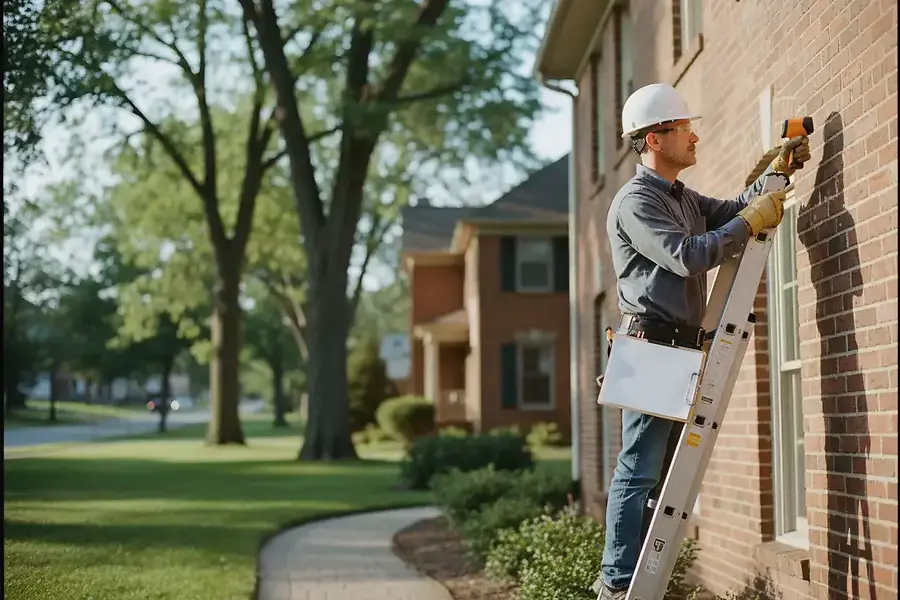
Understanding the Home Inspection Process in Indianapolis
A home inspection is one of the most important steps in the homebuying process. It's a thorough examination of a property's physical structure and systems, conducted by a licensed professional inspector. In Indianapolis, most home inspections take between two to four hours, depending on the property's size and age.
During the inspection, the inspector will evaluate the condition of the home's major systems and components. This includes the foundation, roof, electrical system, plumbing, HVAC, and more. The goal is to identify any existing problems or potential issues that could affect the home's safety, functionality, or value.
Why Home Inspections Matter in Indianapolis
Indianapolis homes vary widely in age and condition. Many properties in the area were built decades ago, which means they may have outdated systems or wear-and-tear issues. A professional inspection provides you with an objective assessment of the property's true condition, giving you the information you need to make an informed decision.
Without a home inspection, you could unknowingly purchase a property with significant hidden problems. This could lead to expensive repairs, safety hazards, or a home that's worth less than you paid for it.
Key Areas Inspectors Examine and Red Flags to Watch For
Foundation and Structural Integrity
The foundation is the backbone of any home. Inspectors will look for cracks, settling, water damage, and signs of structural movement. In Indianapolis, where soil conditions can vary, foundation issues are particularly important to monitor.
- Red flags: Large cracks (wider than 1/4 inch), bowing walls, uneven floors, or water stains in basements
- What to expect: Minor hairline cracks are often normal, but significant damage requires professional evaluation
Roof and Exterior
The roof protects your entire home from the elements. Inspectors examine shingles, flashing, gutters, and the overall condition of the roof structure.
- Red flags: Missing or damaged shingles, sagging roof lines, rust on flashing, or clogged gutters
- What to expect: Roof age is crucial—most roofs last 20-25 years, so an older roof may need replacement soon
Electrical System
A safe electrical system is essential. Inspectors will check the panel, wiring, outlets, and switches to ensure everything meets current safety standards.
- Red flags: Outdated wiring (like knob-and-tube), insufficient outlets, flickering lights, or a full electrical panel
- What to expect: Older Indianapolis homes may need electrical upgrades to handle modern appliances and devices
Plumbing and Water Systems
Inspectors test water pressure, check for leaks, examine pipes, and verify that the water heater is functioning properly.
- Red flags: Slow drains, water stains, corrosion on pipes, or a water heater nearing the end of its lifespan
- What to expect: Older homes may have galvanized pipes that are prone to corrosion and reduced water flow
HVAC Systems
Heating and cooling systems are critical for comfort and safety. Inspectors will evaluate the furnace, air conditioning unit, and ductwork.
- Red flags: Unusual noises, poor airflow, rust or corrosion, or systems that are over 15 years old
- What to expect: HVAC replacement can be expensive, so knowing the age and condition is important
Insulation and Ventilation
Proper insulation and ventilation affect energy efficiency and prevent moisture problems. Inspectors will check attic insulation, ventilation, and signs of moisture damage.
- Red flags: Inadequate insulation, poor ventilation, mold growth, or water stains
- What to expect: Upgrading insulation can improve energy efficiency and reduce utility bills
How to Prepare for and Review Your Inspection Report
Before the Inspection
Preparation is key to getting the most out of your home inspection. Attend the inspection in person if possible. This allows you to ask questions and see issues firsthand. Make a list of any concerns you have about the property and share them with the inspector.
Ensure that utilities are on so the inspector can test all systems. Clear access to the attic, basement, and crawl spaces. Remove any obstacles that might prevent a thorough examination.
Understanding Your Inspection Report
The inspection report will be detailed and comprehensive. It typically includes photographs, descriptions of issues, and recommendations for repairs or further evaluation. Reports are usually organized by system or area of the home.
Pay attention to the severity levels. Most reports categorize issues as major, minor, or informational. Major issues require immediate attention, while minor issues can often be addressed over time.
What to Do With the Report
Review the report carefully and take time to understand all findings. Don't hesitate to ask your inspector for clarification on any items. Consider hiring specialists for major issues—for example, a structural engineer for foundation concerns or an electrician for electrical problems.
Keep the report for your records. It serves as valuable documentation of the home's condition at the time of purchase and can be useful for insurance and warranty purposes.
Using Inspection Results to Negotiate and Move Forward Confidently
Negotiation Strategies
Armed with your inspection report, you have leverage in negotiations. You have several options:
- Request repairs: Ask the seller to fix major issues before closing
- Request credits: Negotiate a credit toward closing costs to handle repairs yourself
- Request price reduction: Ask for a lower purchase price to account for necessary repairs
- Walk away: If issues are too severe or costly, you may choose to withdraw from the purchase
Be strategic and reasonable in your requests. Focus on major issues that affect safety, functionality, or value. Minor cosmetic issues are typically the buyer's responsibility.
Moving Forward Confidently
A thorough home inspection gives you peace of mind. You'll know exactly what you're purchasing and can budget for any necessary repairs or upgrades. This knowledge empowers you to make confident decisions about your Indianapolis home purchase.
Remember: No home is perfect. The goal of an inspection is to identify issues so you can make an informed decision, not to find reasons to back out of a good deal. Use the inspection report as a tool to understand your investment and plan for its future.
By understanding the home inspection process, knowing what to look for, and using the results strategically, you're taking important steps to protect your investment and ensure a successful home purchase in Indianapolis.


