Home Inspection Essentials for Islip and West Babylon Buyers
Discover what to look for during inspections and how to protect your investment in these thriving Long Island communities.

Why Home Inspections Matter in Your Purchase
Purchasing a home is one of the most significant financial decisions you'll make in your lifetime. Whether you're buying in the vibrant communities of Islip or West Babylon on Long Island, a thorough home inspection is your best defense against costly surprises down the road. A professional home inspection provides an objective assessment of your potential property's condition, helping you understand exactly what you're investing in.
Many first-time buyers underestimate the importance of this step, viewing it as just another checkbox in the closing process. However, a comprehensive inspection can reveal hidden issues that might affect your decision to purchase or help you negotiate a better price. In Long Island's competitive real estate market, being informed gives you a significant advantage.
Key Areas to Inspect and Red Flags to Watch For
Foundation and Structural Integrity
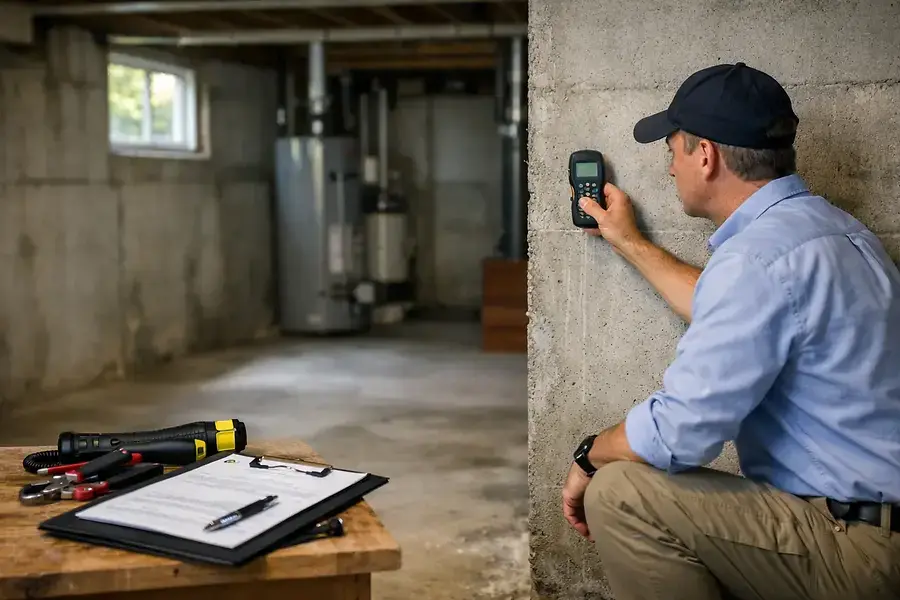
The foundation is the backbone of any home. During your inspection, look for cracks in the foundation, water damage, or signs of settling. Inspectors will check for structural issues that could indicate serious problems requiring expensive repairs. Pay special attention to basement walls and crawl spaces for moisture or mold growth, which are common concerns in Long Island properties.
Roof and Exterior
Your roof protects everything beneath it, making its condition crucial. Inspectors will assess the age of the roof, look for missing or damaged shingles, and check for proper ventilation. The exterior should also be examined for:
- Siding damage or deterioration
- Gutter and downspout functionality
- Window and door seals
- Proper grading around the foundation
Plumbing Systems
Water issues can be expensive and destructive. Your inspector will test water pressure, check for leaks under sinks and in the basement, and assess the age and condition of pipes. Galvanized pipes, which are common in older Long Island homes, may need replacement soon. Additionally, inspectors will verify that the water heater is functioning properly and check its age.
Electrical Systems
Outdated or faulty electrical systems pose safety risks and may not meet current code requirements. Inspectors will examine the main panel, test outlets, and look for any signs of improper wiring. Aluminum wiring, found in some homes built during specific decades, can be a concern and should be noted.
HVAC Systems
Heating and cooling systems are essential for Long Island comfort. Your inspector will check the furnace or heat pump, air conditioning unit, and ductwork. Understanding the age and maintenance history of these systems helps you budget for potential replacements or repairs.
Insulation and Ventilation
Proper insulation and ventilation affect energy efficiency and indoor air quality. Inspectors will assess attic insulation levels, check for proper ventilation to prevent moisture buildup, and look for air leaks that could increase utility costs.
Working with Inspectors and Understanding Your Report
Choosing the Right Inspector
Select a licensed, certified home inspector with experience in the Islip and West Babylon area. Look for inspectors who are members of professional organizations like the American Society of Home Inspectors (ASHI). Don't hesitate to ask for references and verify their credentials.
What to Expect During the Inspection
A thorough home inspection typically takes two to four hours. You should attend the inspection to ask questions and learn about the property firsthand. The inspector will document findings with photos and detailed notes, creating a comprehensive report for your review.
Interpreting Your Inspection Report
Your inspection report will categorize findings by severity. Critical issues require immediate attention and may affect your purchase decision. Major concerns should be addressed soon, while minor issues are typically maintenance items. Use this report to:
- Negotiate repairs or credits with the seller
- Plan for future maintenance and budgeting
- Identify safety hazards
- Understand the true condition of your investment
"A home inspection is not about finding a perfect house—it's about finding the right house for you with full knowledge of its condition."
Next Steps After the Inspection
After receiving your report, review it carefully and discuss findings with your real estate agent. If significant issues are discovered, you have several options: request repairs from the seller, ask for a credit toward closing costs, renegotiate the price, or walk away from the deal. Don't let emotions override practical considerations.
Making Informed Decisions Before Closing
A home inspection is an investment in your peace of mind and financial security. In Islip and West Babylon's dynamic real estate market, informed buyers make better decisions. Use your inspection report as a tool to understand your property's true condition and value.
Remember that no home is perfect. The goal is to identify issues that matter to you and your family, understand the costs of addressing them, and make a decision based on complete information. Whether you're a first-time buyer or an experienced investor, a thorough home inspection is an essential step that protects your investment and ensures you're making the right choice for your Long Island future.
Take your time, ask questions, and trust the process. Your future home—and your wallet—will thank you.