Home Inspection Essentials for Jonesborough and Nashville Buyers
Discover what professional inspectors look for and how to protect your investment in Tennessee's residential market.

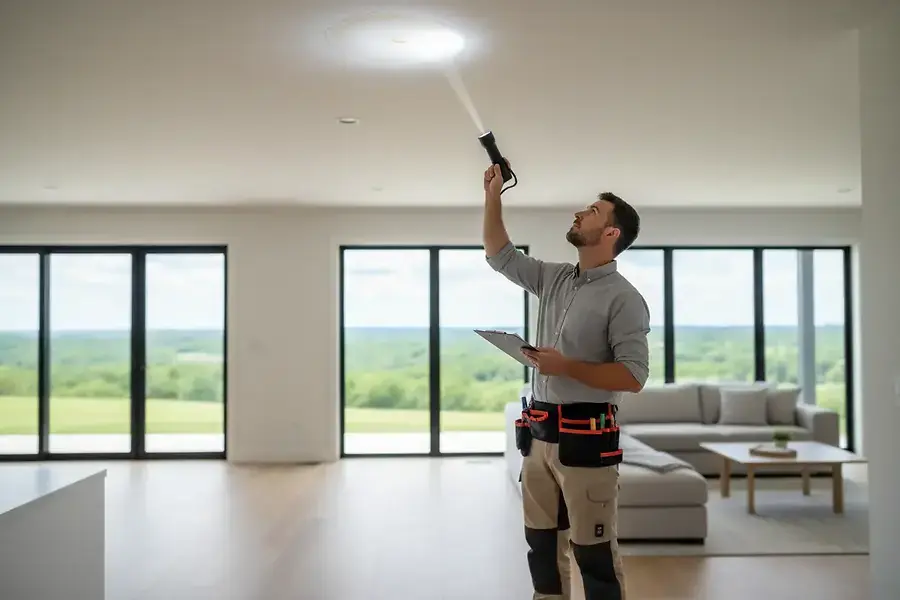
Introduction: Why Home Inspections Matter in Your Purchase Decision
Purchasing a home is one of the most significant financial decisions you'll make in your lifetime. Whether you're buying in the charming neighborhoods of Jonesborough or the vibrant communities of Nashville, a professional home inspection is your best defense against costly surprises after closing. A thorough inspection provides an objective assessment of your potential property's condition, giving you the knowledge and leverage needed to make informed decisions.
Many first-time buyers underestimate the importance of inspections, viewing them as an unnecessary expense. However, inspections typically cost between $300 and $500 and can save you thousands in unexpected repairs. In Tennessee's residential market, where homes range from historic properties to modern constructions, having a qualified inspector examine every aspect of your future home is invaluable.
Key Areas Inspectors Evaluate: Structural, Systems, and Safety Concerns
Structural Integrity
Professional inspectors begin by examining the home's foundation and structural components. They look for signs of settling, cracks in the foundation, water damage, and wood rot. In Tennessee, where humidity levels can be high, moisture-related structural issues are particularly common. Inspectors will check:
- Foundation cracks and their severity
- Basement or crawl space conditions
- Support beams and floor joists
- Roof structure and framing
Electrical and Plumbing Systems
The home's electrical panel, wiring, and plumbing systems are critical safety components. Inspectors verify that electrical systems meet current code standards and check for outdated wiring that may pose fire hazards. For plumbing, they test water pressure, inspect pipes for corrosion, and ensure proper drainage throughout the home.
Key inspection points include:
- Electrical panel capacity and condition
- Presence of GFCI outlets in wet areas
- Water heater age and functionality
- Pipe materials and signs of leaks
- Septic system condition (if applicable)
HVAC and Insulation
Your heating, ventilation, and air conditioning system is essential for comfort and energy efficiency. Inspectors evaluate the age and condition of furnaces, air conditioners, and ductwork. They also assess insulation levels in the attic and walls, which directly impact your utility bills and home comfort.
Roof and Exterior
The roof protects everything beneath it, making its condition paramount. Inspectors examine shingles, flashing, gutters, and downspouts. They also evaluate the exterior walls, windows, doors, and landscaping for drainage issues that could lead to water intrusion.
Red Flags to Watch For: Common Issues Found in Tennessee Homes
Water Damage and Mold
Tennessee's humid climate creates ideal conditions for moisture problems. Inspectors look for water stains on ceilings and walls, soft spots in flooring, and any signs of mold growth. These issues can be expensive to remediate and may indicate larger structural problems.
Outdated or Unsafe Electrical Systems
Older homes in Jonesborough and Nashville may have aluminum wiring or knob-and-tube electrical systems, both of which pose fire hazards. Inspectors will flag these issues, and upgrading may be necessary before you can obtain homeowner's insurance.
Roof Age and Condition
Most asphalt shingle roofs last 15-20 years. If a home's roof is nearing the end of its lifespan, budget for replacement costs. A failing roof can lead to interior water damage and compromise the home's structural integrity.
HVAC System Age
Furnaces and air conditioning units typically last 10-15 years. An aging system may require replacement soon after purchase, representing a significant expense. Inspectors will note the age and condition of these critical systems.
Foundation Issues
Foundation problems are among the most serious issues an inspector can find. Cracks, settling, or water intrusion in the foundation can be costly to repair and may affect the home's structural stability. Minor cracks may be cosmetic, but larger issues require professional evaluation.
Pest Damage
Termites and other pests can cause significant structural damage. Inspectors look for evidence of pest activity, including wood damage, droppings, and mud tubes. In Tennessee's warm climate, pest prevention is an ongoing concern for homeowners.
Conclusion: Using Inspection Results to Negotiate and Buy with Confidence
Once you receive your inspection report, you have several options. You can request repairs from the seller, ask for a credit toward closing costs, or renegotiate the purchase price. Some issues are deal-breakers, while others are manageable with proper budgeting.
Don't ignore inspection findings or assume they're minor. Work with your real estate agent and a qualified contractor to understand the severity and cost of repairs. This information empowers you to make decisions that protect your investment.
A professional home inspection is not just a formality—it's your opportunity to uncover potential problems before they become your responsibility. Whether you're buying in Jonesborough's historic neighborhoods or Nashville's growing suburbs, investing in a thorough inspection ensures you're making a sound financial decision. Take the inspection seriously, ask questions, and use the results to negotiate confidently. Your future self will thank you for the diligence you exercise today.
Remember: A home inspection is one of the most important steps in the home-buying process. It provides peace of mind and protects your investment in Tennessee's competitive real estate market.