Home Inspection Essentials for Kansas City & Prairie Village Buyers
Learn what professional inspectors look for and why a thorough evaluation protects your investment in the metro area.

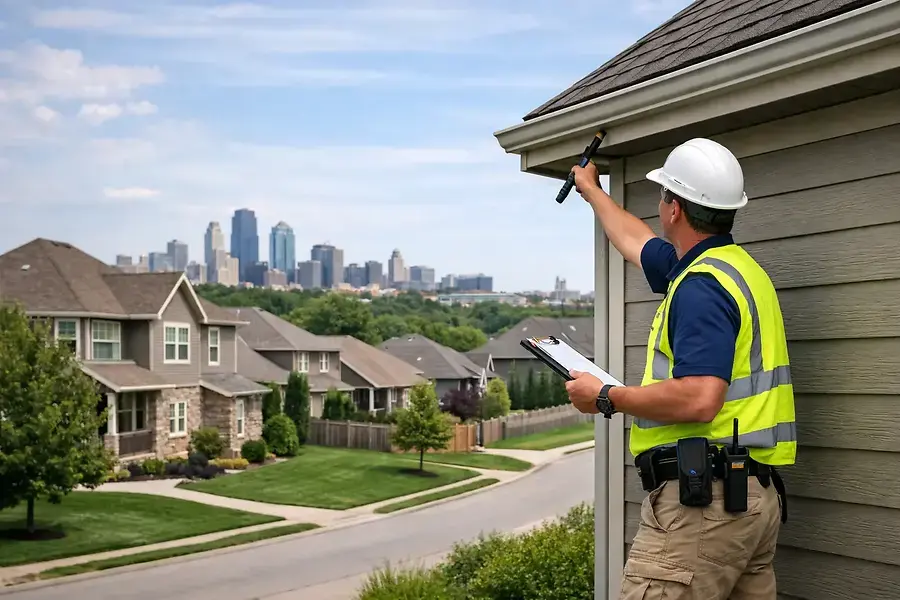
Understanding the Home Inspection Process
A home inspection is one of the most critical steps in the home-buying journey. When you're investing in a property in Kansas City or Prairie Village, a professional inspector will conduct a comprehensive evaluation of the home's structural integrity, systems, and overall condition. This process typically takes two to four hours and provides you with detailed information about what you're purchasing.
During a standard inspection, the inspector examines:
- Structural components - Foundation, walls, roof, and framing
- Electrical systems - Wiring, panels, and outlets
- Plumbing systems - Pipes, fixtures, and water pressure
- HVAC systems - Heating, cooling, and ventilation
- Appliances - Included fixtures and their functionality
- Insulation and ventilation - Energy efficiency factors
- Windows and doors - Seals and operational status
The inspector will provide a detailed report documenting their findings, including photographs and recommendations for repairs or further evaluation by specialists.
Common Issues Found in Kansas City Metro Homes
Roof and Water Damage
Kansas City's climate, with its seasonal temperature fluctuations and occasional severe weather, can take a toll on roofing materials. Missing shingles, leaks, and improper drainage are among the most frequently identified issues. Water damage in attics and upper floors often stems from roof problems, making this one of the most critical areas inspectors evaluate.
Foundation Concerns
The region's soil composition and moisture levels can affect home foundations over time. Inspectors look for cracks, settling, and signs of water intrusion in basements and crawl spaces. These issues can range from minor cosmetic concerns to serious structural problems requiring professional remediation.
HVAC System Age and Efficiency
Many homes in the Kansas City metro area have aging heating and cooling systems. Inspectors assess whether systems are functioning properly and estimate their remaining lifespan. Outdated or inefficient HVAC units can significantly impact your utility costs and comfort levels.
Electrical System Updates
Older homes may have outdated electrical panels or insufficient capacity for modern appliances and technology. Inspectors check for proper grounding, adequate outlets, and code compliance. Upgrading electrical systems can be a substantial expense, so identifying these issues early is crucial.
Plumbing Problems
Hard water, aging pipes, and outdated fixtures are common findings in Kansas City area homes. Inspectors test water pressure, check for leaks, and assess the condition of visible plumbing. Galvanized or corroded pipes may need replacement, which can be costly.
What to Do With Inspection Results
Review the Report Carefully
Take time to thoroughly review the inspection report with your real estate agent. Understand the difference between major concerns and minor maintenance items. Ask your inspector to clarify any findings you don't understand. Some issues are deal-breakers, while others are simply part of home ownership.
Prioritize Issues by Severity
Categorize findings into three groups:
- Critical issues - Safety hazards or major structural problems requiring immediate attention
- Important repairs - Systems that need replacement or significant maintenance within the next few years
- Minor maintenance - Routine upkeep and cosmetic improvements
Negotiate or Request Repairs
Armed with inspection findings, you have leverage in negotiations. You can request that the seller address critical issues before closing, offer a price reduction, or ask for credits to handle repairs yourself. Many sellers in the Kansas City market are willing to negotiate based on inspection results.
Get Specialist Evaluations
For significant concerns identified during the general inspection, consider hiring specialists. Structural engineers, electricians, and HVAC technicians can provide detailed assessments and repair estimates. This investment protects you from unexpected costs after purchase.
Plan Your Maintenance Strategy
Use the inspection report as a roadmap for future maintenance. Schedule repairs and replacements strategically based on urgency and budget. Addressing issues proactively prevents small problems from becoming expensive emergencies.
Conclusion: Making Informed Decisions
A professional home inspection is an investment in peace of mind and financial protection. In the competitive Kansas City and Prairie Village real estate markets, a thorough inspection ensures you understand exactly what you're purchasing. Don't skip this crucial step or rush through the inspection process.
By understanding what inspectors evaluate, recognizing common regional issues, and knowing how to respond to findings, you position yourself as an informed buyer. Whether you're purchasing your first home or your fifth, a comprehensive inspection protects your investment and helps you make confident decisions about one of the largest purchases of your life.
Remember: A home inspection is not a deal-killer—it's a tool for informed decision-making. Use it wisely to ensure your Kansas City area home is a sound investment for years to come.


