Home Inspection Essentials for Lakewood, Arvada & Littleton Buyers
Discover what professional inspectors look for and how to protect your residential investment in Colorado's most sought-after suburbs.

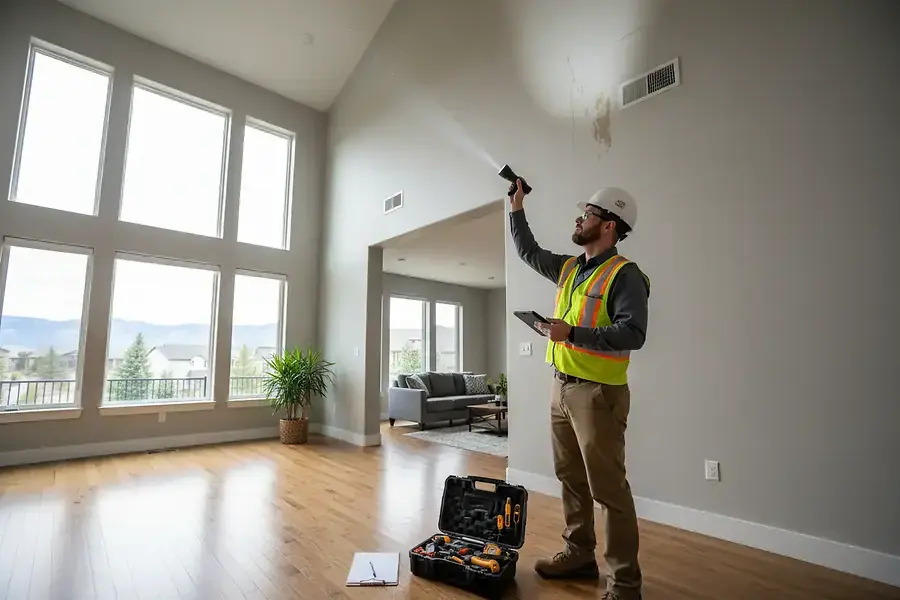
Understanding the Home Inspection Process and Why It Matters
Purchasing a home is one of the most significant financial decisions you'll make, and a professional home inspection is your best defense against costly surprises. In Colorado's competitive real estate markets—particularly in Lakewood, Arvada, and Littleton—a thorough inspection provides peace of mind and valuable information about your potential investment.
A standard home inspection typically takes two to three hours and covers all major systems and components of the property. Professional inspectors examine the foundation, roof, electrical systems, plumbing, HVAC, insulation, and more. They'll provide a detailed report documenting the condition of each system and identifying any issues that need attention.
Why this matters: An inspection report gives you leverage in negotiations and helps you budget for future repairs. It's far better to discover problems before closing than to inherit them as a new homeowner.
Common Issues Found in Colorado Homes and Red Flags to Watch For
Foundation and Structural Concerns
Colorado's dry climate and expansive soils create unique challenges for home foundations. Inspectors look for:
- Cracks in the foundation or basement walls
- Signs of water intrusion or moisture damage
- Uneven settling or sloping floors
- Gaps between walls and door frames
These issues are particularly common in older homes throughout the Lakewood and Littleton areas, where soil composition can shift with seasonal changes.
Roof and Exterior Damage
Colorado's intense sun and occasional hail storms take a toll on roofing materials. Inspectors evaluate:
- Shingle condition and remaining lifespan
- Flashing integrity around chimneys and vents
- Gutter functionality and drainage
- Signs of hail damage or weathering
Pro tip: Ask your inspector about the roof's age and expected replacement timeline. This helps with long-term budgeting.
HVAC and Heating Systems
Colorado winters demand reliable heating systems. Inspectors check furnace age, efficiency ratings, and proper operation. They'll also assess air conditioning units and ductwork for leaks or damage.
Plumbing and Water Issues
Water damage is a serious concern in Colorado homes. Look for:
- Outdated or corroded pipes
- Water stains on ceilings or walls
- Slow drains or plumbing inefficiencies
- Improper grading that directs water toward the foundation
How to Prepare for Your Inspection and Ask the Right Questions
Before the Inspector Arrives
Preparation is key to getting the most from your inspection. Clear pathways to the attic, basement, and crawl spaces. Make sure the inspector has access to the electrical panel, water heater, and HVAC systems. If the home has been vacant, ensure utilities are on so systems can be tested.
Request that the seller provide documentation of recent repairs, maintenance records, and any known issues. This context helps inspectors prioritize their evaluation.
Questions to Ask Your Inspector
Don't hesitate to ask questions during or after the inspection. Consider these important ones:
- What's the expected lifespan of major systems? Understanding when you'll need to replace the roof, HVAC, or water heater helps with budgeting.
- Are there any safety concerns? Issues like electrical hazards or structural problems need immediate attention.
- What maintenance can I do myself? Regular upkeep can prevent expensive repairs down the road.
- How serious are the issues found? Get clarity on which problems are cosmetic versus structural.
- What's your recommendation for next steps? Should you hire specialists for further evaluation?
Attend the Inspection
If possible, walk through the inspection with the professional. This gives you a firsthand understanding of the property's condition and allows you to ask questions in real-time. You'll also learn valuable information about maintaining your future home.
Using Inspection Results to Negotiate and Make Confident Offers
Interpreting Your Report
Home inspection reports can be lengthy and technical. Focus on three categories: safety issues (electrical hazards, structural problems), major systems (roof, HVAC, plumbing), and cosmetic concerns (paint, minor repairs). Safety and major systems should influence your negotiation strategy.
Negotiation Strategies
Armed with your inspection report, you have several options:
- Request repairs: Ask the seller to fix critical issues before closing.
- Negotiate a price reduction: Have the seller lower the price to account for repairs you'll handle.
- Request credits: Ask for a credit at closing to cover repair costs.
- Walk away: If issues are too extensive, you have the right to withdraw your offer.
In competitive markets like Arvada and Littleton, be strategic. Prioritize negotiating on safety and structural issues rather than cosmetic concerns. Sellers are more likely to accept requests for major repairs than minor aesthetic fixes.
Making Your Final Decision
A home inspection isn't just about finding problems—it's about making an informed decision that protects your investment and your family's safety.
Review the inspection report carefully with your real estate agent and consider getting specialist opinions on significant issues. Factor repair costs into your overall budget and long-term ownership plans. Remember that no home is perfect; the goal is understanding what you're buying and negotiating accordingly.
By understanding the inspection process, knowing what to look for, and using results strategically, you'll approach your purchase in Lakewood, Arvada, or Littleton with confidence and clarity. Your home inspection is an investment in your peace of mind and financial security.


