Home Inspection Essentials for Las Vegas and Henderson Buyers
Discover what to look for during inspections to protect your investment in the Nevada real estate market.

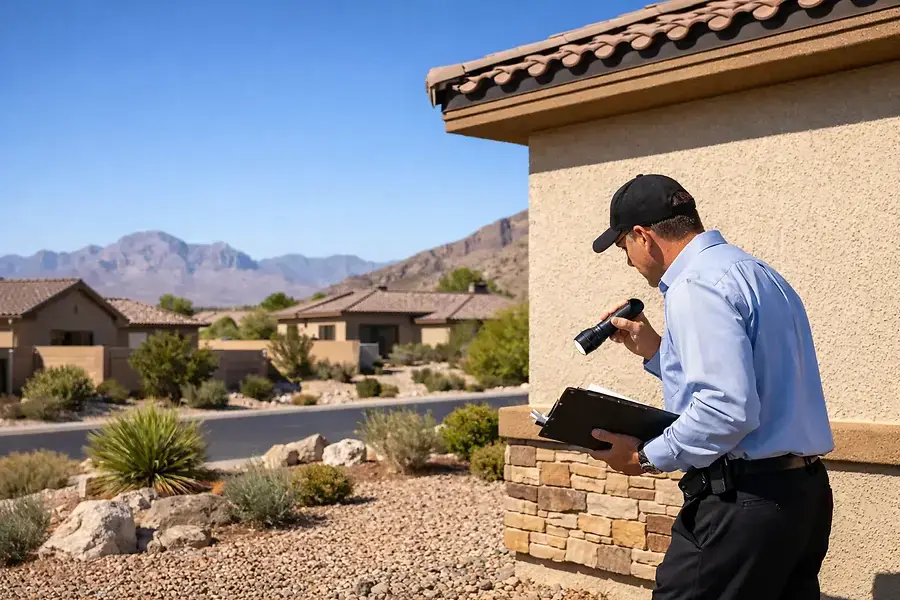
Understanding the Home Inspection Process and Why It Matters
A home inspection is one of the most critical steps in the home-buying process, especially in the Las Vegas and Henderson real estate markets. This comprehensive evaluation of a property's condition provides you with detailed information about the home's structural integrity, systems, and potential issues before you commit to the purchase.
During a typical home inspection, a certified inspector will examine:
- The foundation and structural components
- Roofing and exterior elements
- Plumbing and electrical systems
- HVAC systems and air conditioning units
- Interior walls, ceilings, and flooring
- Appliances and fixtures
- Insulation and ventilation
Why is this important? A thorough inspection can reveal hidden problems that aren't visible during a casual walkthrough. These discoveries give you leverage to negotiate repairs, request credits, or make an informed decision about whether to proceed with the purchase. In Nevada's unique climate, certain issues are more prevalent than in other regions, making professional inspections invaluable.
Climate-Specific Issues: What Inspectors Check in Las Vegas and Henderson
The desert climate of Las Vegas and Henderson presents unique challenges for homeowners. Inspectors in this region pay special attention to issues that are directly related to extreme heat, low humidity, and intense sun exposure.
Air Conditioning and Cooling Systems
In the Nevada desert, a functioning air conditioning system isn't a luxury—it's a necessity. Inspectors will thoroughly evaluate your AC unit's age, efficiency, and condition. A failing air conditioner in Las Vegas can be extremely costly to replace, so understanding its current state is crucial. Look for signs of wear, refrigerant leaks, and whether the system can adequately cool the entire home.
Roof and Sun Damage
The intense desert sun can rapidly degrade roofing materials. Inspectors will check for:
- Cracked or curled shingles
- Faded or bleached roofing materials
- Deteriorated flashing and seals
- Overall roof age and remaining lifespan
A roof replacement in the Las Vegas area can be a significant expense, so understanding its condition helps you plan for future maintenance or negotiate repairs.
Foundation and Concrete Issues
The desert's extreme temperature fluctuations cause concrete to expand and contract. Inspectors will look for:
- Cracks in the foundation or concrete slabs
- Uneven settling or shifting
- Water damage or moisture intrusion
- Damage to driveways and patios
These issues can indicate serious structural problems that require immediate attention.
Plumbing and Water Systems
Nevada's hard water and mineral deposits can cause significant plumbing issues. Inspectors will evaluate water pressure, check for leaks, and assess the condition of pipes. They'll also examine water heaters, which work harder in desert climates due to higher water temperatures and mineral buildup.
Red Flags to Watch For and Negotiating Repairs After Inspection
Critical Red Flags
Certain inspection findings should raise immediate concerns:
- Foundation cracks or settling: These can indicate structural issues requiring expensive repairs
- Roof damage or age: Roofs nearing the end of their lifespan may need replacement soon
- Failing HVAC systems: In Las Vegas, a non-functional AC unit is a deal-breaker for most buyers
- Electrical hazards: Outdated wiring, overloaded circuits, or improper grounding pose safety risks
- Mold or water damage: These indicate moisture problems that can affect health and structural integrity
- Pest infestations: Evidence of termites, rodents, or other pests requires professional treatment
Negotiating Repairs and Credits
Once you receive the inspection report, you have several options:
Request Repairs: Ask the seller to fix identified issues before closing. This is ideal for major problems, but sellers may refuse if repairs are extensive.
Request Credits: The seller can provide a credit toward closing costs, allowing you to handle repairs yourself. This gives you control over the quality of work.
Renegotiate Price: Use inspection findings to justify a lower purchase price that accounts for necessary repairs.
Walk Away: If inspection reveals significant problems and the seller won't negotiate, you may have grounds to terminate the contract, depending on your inspection contingency.
"Don't skip the inspection to save money. The cost of a professional inspection is minimal compared to the potential expenses of hidden problems."
Working with Your Inspector
Choose a certified, experienced inspector familiar with Las Vegas and Henderson properties. Ask about their experience with desert climate issues and request a detailed written report. Many inspectors offer follow-up consultations to explain findings and answer questions.
Conclusion: Making Informed Decisions with Inspection Knowledge
A home inspection is your opportunity to make an informed decision about one of the largest investments you'll make. In Las Vegas and Henderson, understanding climate-specific issues—from air conditioning systems to foundation concerns—is essential for protecting your investment.
By understanding the inspection process, knowing what inspectors look for in Nevada's unique climate, and recognizing red flags, you're equipped to negotiate effectively and avoid costly surprises after closing. Don't view the inspection as a formality; treat it as your safeguard against hidden problems and unexpected expenses.
Take the inspection report seriously, ask questions, and use the findings to make confident decisions about your new home in the Las Vegas or Henderson area. Your future self will thank you for the diligence you invest today.


