Home Inspection Essentials for Las Vegas, Henderson & Pahrump Buyers
Learn what professional inspectors look for and how to protect your residential investment in Nevada's hottest markets.

Why Home Inspections Matter in the Nevada Real Estate Market
Purchasing a home is one of the most significant financial decisions you'll make, and in the competitive Nevada real estate market, it's crucial to protect your investment. Home inspections serve as your first line of defense against costly surprises and hidden defects that could drain your savings after closing.
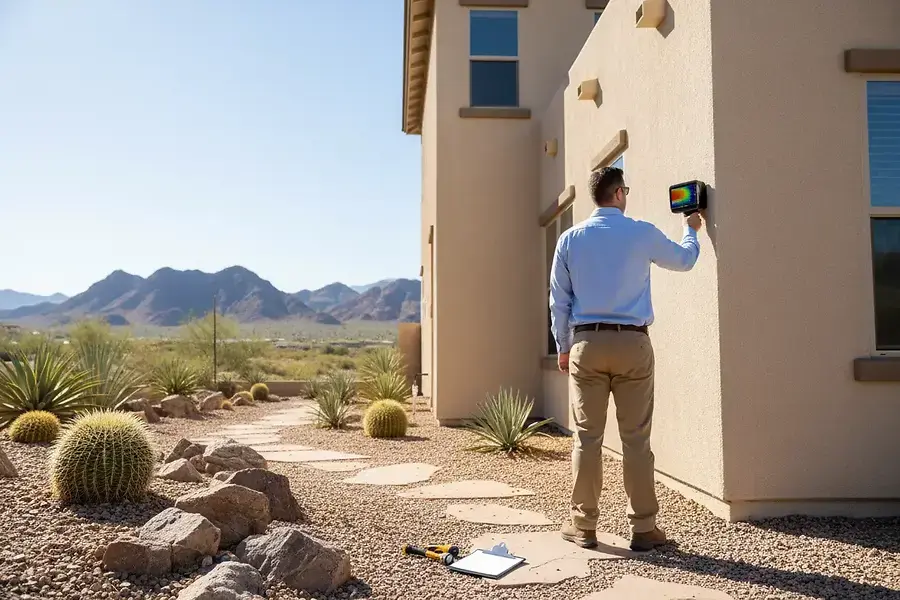
The desert climate of Las Vegas, Henderson, and Pahrump presents unique challenges that differ from other regions. Extreme heat, low humidity, intense UV radiation, and occasional flash flooding create specific wear patterns and vulnerabilities in residential properties. A qualified home inspector understands these regional factors and knows exactly what to look for in desert homes.
Professional home inspections provide:
- Detailed documentation of a property's condition
- Peace of mind before making your final purchase decision
- Negotiating power for repairs or price adjustments
- Early identification of potential safety hazards
- Insight into future maintenance costs and timelines
Critical Areas Professional Inspectors Evaluate in Desert Homes
Cooling and HVAC Systems
In Nevada's scorching climate, air conditioning isn't a luxury—it's essential. Inspectors thoroughly examine your AC unit's age, efficiency, and condition. They check refrigerant levels, compressor function, and ductwork integrity. A failing air conditioner in the desert can cost $5,000 to $15,000 to replace, making this evaluation critical.
Roof and Sun Damage
The relentless Nevada sun accelerates roof deterioration significantly. Inspectors look for cracked or missing shingles, premature aging, and improper ventilation. They assess the roof's remaining lifespan and identify areas vulnerable to the intense UV exposure that characterizes our region.
Foundation and Concrete
Desert soil conditions and extreme temperature fluctuations can cause foundation settling and concrete cracking. Professional inspectors examine the foundation for cracks, water intrusion, and structural integrity. They also evaluate driveways, patios, and pool decks for damage patterns common in desert properties.
Plumbing and Water Systems
Hard water is prevalent in Southern Nevada, causing mineral buildup in pipes and fixtures. Inspectors test water pressure, check for leaks, examine water heater condition, and assess the overall plumbing system's functionality. They identify potential issues with the septic system if applicable.
Electrical Systems
Inspectors verify that electrical panels are up to code, check for outdated wiring, and ensure all outlets and switches function properly. They look for signs of overheating, improper grounding, and safety hazards that could pose fire risks.
Exterior and Landscaping
The desert environment demands special attention to exterior elements. Inspectors examine stucco for cracks and water damage, check window and door seals, and assess landscaping for proper drainage. They identify xeriscaping issues and evaluate how well the property handles monsoon season runoff.
Pool and Spa Equipment
If the property includes a pool or spa, inspectors evaluate the equipment's condition, check for leaks, examine the deck safety, and assess the overall structural integrity. Pool maintenance in the desert requires specialized knowledge that inspectors bring to their evaluation.
Red Flags and Common Issues Found in Las Vegas, Henderson & Pahrump Properties
Water Intrusion and Moisture Problems
Despite the dry climate, water intrusion remains a common issue. Look for signs of water damage around windows, doors, and the foundation. Monsoon season can expose poor drainage or grading problems that allow water to pool near the home's foundation.
Outdated or Failing HVAC Systems
Many properties in the region have aging air conditioning systems that struggle with the extreme heat. If an AC unit is over 15 years old, expect replacement costs in the near future. Inspectors will flag systems that are inefficient or showing signs of failure.
Roof Deterioration
Premature roof aging is extremely common in Nevada homes. Red flags include:
- Shingles that are curling, cracked, or missing
- Visible granule loss or bald spots
- Sagging roof lines or structural issues
- Improper ventilation leading to heat buildup
Foundation Cracks and Settlement
The desert's extreme temperature swings cause concrete to expand and contract, leading to cracks. While minor hairline cracks are normal, larger cracks or stair-step patterns indicate more serious structural issues that require professional evaluation.
Hard Water Damage
Nevada's hard water causes mineral deposits in pipes, water heaters, and fixtures. This can reduce water pressure, shorten appliance lifespan, and create plumbing problems. Inspectors will note the extent of hard water damage and recommend water softening solutions.
Electrical Code Violations
Older homes may have outdated electrical systems that don't meet current safety codes. Two-prong outlets, aluminum wiring, and inadequate grounding are common issues that need addressing before purchase.
Poor Drainage and Grading
Improper grading around the foundation can direct water toward the home instead of away from it. This is particularly problematic during monsoon season when flash flooding can occur. Inspectors evaluate the landscape's slope and drainage patterns.
Taking Action to Ensure a Sound Investment
Once you receive your inspection report, don't ignore the findings. Here's how to proceed:
- Review the report carefully with your real estate agent and ask questions about any items you don't understand
- Prioritize issues by separating critical safety concerns from cosmetic problems
- Obtain repair estimates for significant issues to understand the financial impact
- Negotiate with the seller for repairs, credits, or price reductions based on inspection findings
- Plan for future maintenance by understanding the age and condition of major systems
- Hire specialists for detailed evaluations of any concerning areas flagged by the inspector
Investing in a professional home inspection is one of the smartest decisions you can make as a buyer in Las Vegas, Henderson, or Pahrump. The inspection fee—typically $300 to $500—is minimal compared to the potential cost of undiscovered problems. By understanding what inspectors look for and recognizing common desert-related issues, you're taking control of your home-buying experience and protecting your financial future.
Don't let the excitement of finding your dream home cloud your judgment. A thorough inspection gives you the information needed to make a confident, informed decision about one of life's biggest investments.