Home Inspection Essentials for Levittown and Philadelphia Buyers
Discover what to look for during inspections to protect your investment in Pennsylvania residential properties.

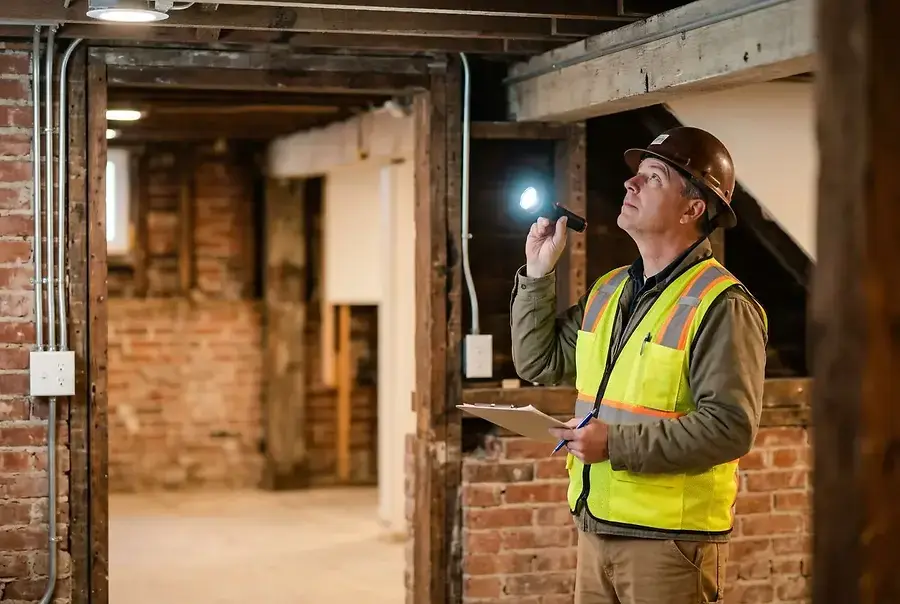
Why Home Inspections Matter in These Markets
Purchasing a home is one of the most significant financial decisions you'll make in your lifetime. Whether you're buying in Levittown or Philadelphia, a thorough home inspection is your best defense against costly surprises after closing. These inspections provide an objective assessment of a property's condition, helping you understand exactly what you're investing in.
In Pennsylvania's real estate markets, home inspections are particularly crucial. Levittown's post-war housing stock and Philadelphia's historic neighborhoods each present unique challenges and considerations. A qualified home inspector can identify issues that might not be immediately visible to the untrained eye, potentially saving you thousands of dollars in repairs and renovations.
The inspection process typically takes 2-3 hours and covers all major systems and components of the home. This includes the foundation, roof, electrical systems, plumbing, HVAC, and more. Understanding what inspectors look for can help you ask better questions and make more informed decisions about your purchase.
Common Issues Found in Levittown Properties and How to Identify Them
Foundation and Structural Concerns
Levittown homes, built primarily in the 1950s, often experience foundation settling and movement. Look for cracks in basement walls or floors, particularly horizontal cracks which can indicate more serious structural issues. Vertical cracks are typically less concerning but should still be monitored.
During your inspection, pay attention to:
- Water stains or moisture in basements and crawl spaces
- Uneven or sloping floors
- Gaps between walls and ceilings
- Doors and windows that stick or don't close properly
Roof and Exterior Issues
Many Levittown homes have roofs that are nearing the end of their lifespan. Asphalt shingles typically last 20-25 years, and many original roofs have been replaced once or twice. During inspection, look for missing shingles, curling, granule loss, and signs of leaks in the attic.
The exterior also deserves careful attention. Check for deteriorating siding, rotting wood trim, and inadequate drainage systems that can lead to water damage.
Electrical and Plumbing Systems
Older electrical systems in Levittown homes may have outdated wiring or insufficient capacity for modern appliances. Knob-and-tube wiring and aluminum wiring are red flags that should be addressed. Your inspector should verify that the electrical panel is properly grounded and that outlets are safely installed.
Plumbing systems in these homes often feature galvanized pipes that may be corroded or have reduced water pressure. Cast iron drain pipes can also deteriorate over time, potentially leading to costly repairs.
Philadelphia Homes: Older Structures and Inspection Red Flags
Historic Building Challenges
Philadelphia's row homes and historic properties present unique inspection considerations. Many of these properties date back to the 1800s and early 1900s, featuring original construction methods and materials that require specialized knowledge.
Lead paint is a significant concern in Philadelphia's older homes. Federal law requires disclosure of known lead paint hazards, and testing should be conducted if the home was built before 1978. Lead exposure poses serious health risks, particularly for children and pregnant women.
Common Red Flags in Historic Properties
When inspecting Philadelphia homes, watch for:
- Deteriorating mortar between bricks—a sign of aging masonry
- Sagging or uneven floors indicating structural settling
- Outdated or dangerous electrical systems
- Inadequate ventilation leading to moisture and mold issues
- Asbestos in insulation, floor tiles, or pipe wrapping
- Outdated plumbing with potential for lead in water lines
Moisture and Mold Concerns
Philadelphia's humid climate and older construction methods make moisture control challenging. Basements and crawl spaces are particularly vulnerable to water intrusion and mold growth. Your inspector should check for signs of moisture, including staining, odors, and visible mold.
Proper grading around the foundation and functioning gutters are essential for keeping water away from the structure. Many historic homes lack adequate drainage systems, making this a critical inspection point.
Structural and Foundation Issues
Historic Philadelphia homes may have settled significantly over the decades. While some settling is normal, excessive movement can indicate serious structural problems. Your inspector should assess the condition of the foundation, looking for cracks, bowing walls, and signs of water damage.
Wooden structural elements in older homes can deteriorate due to moisture, insects, or age. Termite and carpenter ant damage should be thoroughly investigated, as repairs can be expensive.
Making Informed Decisions Before Closing
A comprehensive home inspection report provides detailed findings about the property's condition. Don't skip this crucial step, even if the home appears to be in good condition. The inspection contingency in your purchase agreement gives you the opportunity to negotiate repairs, request credits, or walk away from the deal if significant issues are discovered.
After receiving the inspection report, review it carefully with your real estate agent and consider hiring specialists for any areas of concern. A structural engineer, electrician, or plumber can provide more detailed assessments if needed.
Use the inspection findings to make an informed decision about your investment. Whether you're buying in Levittown or Philadelphia, understanding the property's true condition allows you to move forward with confidence and protect your financial interests.
"A home inspection is not an expense—it's an investment in your peace of mind and financial security."
By taking the time to understand what inspectors look for and asking the right questions, you'll be better equipped to make one of the most important decisions of your life. Your future self will thank you for the diligence you put in today.