Home Inspection Essentials for Lexington and Nicholasville Buyers
Learn what professional inspectors look for and how to protect your investment in Central Kentucky real estate.

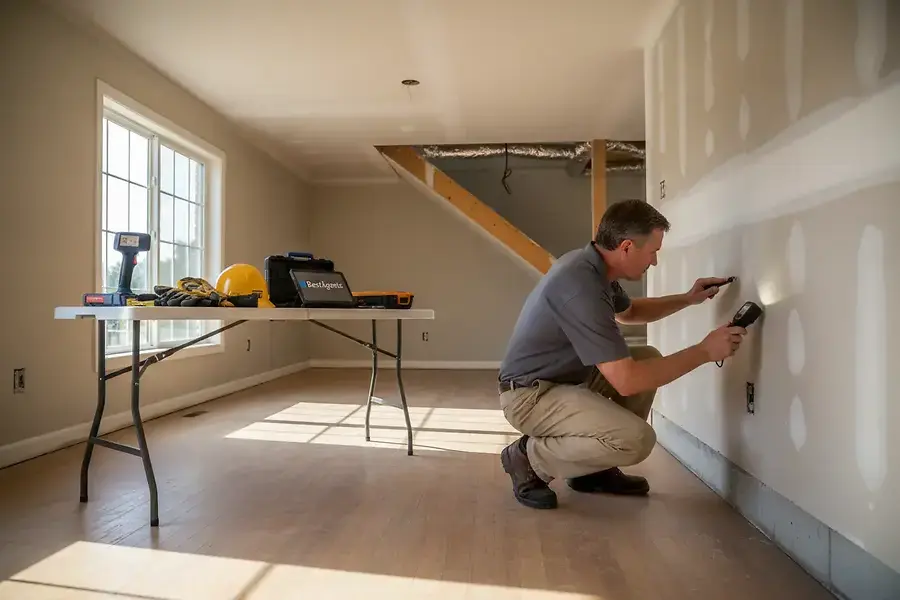
Why Home Inspections Matter in Your Purchase Decision
Purchasing a home is one of the most significant financial decisions you'll make in your lifetime. For buyers in Lexington and Nicholasville, a professional home inspection is not just a formality—it's a critical safeguard for your investment. A thorough inspection can reveal hidden problems that might cost thousands of dollars to repair after closing, giving you the information needed to make an informed decision.
Many first-time homebuyers underestimate the importance of inspections, viewing them as an unnecessary expense. However, the average home inspection costs between $300 and $500, a small price compared to discovering major structural issues or system failures after you've already signed the deed. In Central Kentucky's diverse housing market, from historic homes to newer developments, inspections are essential for understanding what you're truly purchasing.
Key Areas Professional Inspectors Evaluate and What Red Flags Mean
Structural Components and Foundation
Inspectors begin by examining the home's foundation and structural integrity. They look for cracks in the foundation, settling issues, and water damage that could indicate serious problems. In Kentucky's climate, foundation issues can develop over time due to soil movement and moisture exposure.
- Red flags: Large cracks, bowing walls, or signs of water intrusion
- What it means: Potential foundation repair costs ranging from $5,000 to $50,000+
Roofing and Exterior
Your roof is your home's first line of defense against the elements. Inspectors assess the roof's age, condition, and remaining lifespan. They also examine siding, gutters, and drainage systems to ensure water is properly directed away from the home.
- Red flags: Missing shingles, sagging roof lines, or deteriorated flashing
- What it means: Roof replacement costs typically range from $8,000 to $15,000
Plumbing Systems
Inspectors test water pressure, check for leaks, and examine pipes for corrosion or damage. They verify that the water heater is functioning properly and assess its age. Older homes may have outdated plumbing materials that require replacement.
- Red flags: Low water pressure, visible leaks, or galvanized pipes in older homes
- What it means: Potential plumbing updates could cost $3,000 to $25,000
Electrical Systems
A qualified inspector examines the electrical panel, wiring, outlets, and switches. They ensure the system meets current safety codes and can handle modern electrical demands. Outdated or unsafe electrical systems are serious concerns.
- Red flags: Outdated panels, aluminum wiring, or insufficient outlets
- What it means: Electrical upgrades could range from $5,000 to $25,000
HVAC Systems
Heating, ventilation, and air conditioning systems are evaluated for age, condition, and efficiency. Inspectors check whether systems are properly maintained and functioning at optimal levels.
- Red flags: Systems over 15 years old or showing signs of malfunction
- What it means: HVAC replacement costs typically range from $5,000 to $12,000
Interior Conditions
Inspectors examine walls, ceilings, floors, and windows for damage, moisture problems, or pest infestations. They look for signs of mold, water damage, and structural issues that might not be immediately visible.
- Red flags: Water stains, soft spots in flooring, or visible mold
- What it means: Remediation costs vary widely depending on severity
Understanding Your Inspection Report and Negotiating Repairs or Credits
Decoding the Report
Your inspection report will categorize findings into different severity levels. Most reports use categories like "Safety Concern," "Major Repair," "Minor Repair," and "Maintenance Item." Understanding these categories helps you prioritize which issues matter most.
Safety concerns require immediate attention and should never be overlooked. Major repairs affect the home's value and functionality, while minor repairs and maintenance items are less urgent but still worth considering.
Negotiation Strategies
Once you have your inspection report, you have several options:
- Request repairs: Ask the seller to fix identified issues before closing
- Request credits: Negotiate a reduction in the purchase price to cover repairs yourself
- Walk away: If major issues exist, you may have grounds to terminate the contract
- Accept as-is: Proceed with the purchase without requesting changes
In Lexington and Nicholasville's competitive real estate market, your negotiating position depends on market conditions, the severity of issues, and the seller's motivation. Focus negotiations on safety concerns and major repairs rather than cosmetic issues. Sellers are more likely to address serious problems than minor aesthetic concerns.
Getting Estimates
Before negotiating, obtain written estimates from licensed contractors for major repairs. This gives you concrete numbers to present during negotiations and ensures you're not underestimating costs. Sellers are more responsive to specific repair estimates than vague requests.
Taking Confident Steps Toward Homeownership
A professional home inspection is your opportunity to understand exactly what you're purchasing. By knowing what inspectors evaluate and what red flags mean, you can approach your home purchase with confidence and clarity.
Remember that no home is perfect. Every property has some issues—the goal is to identify them before you buy so you can make an informed decision. Whether you're a first-time buyer or an experienced investor, a thorough inspection protects your financial interests and gives you peace of mind.
Take your time reviewing the inspection report, ask questions about findings you don't understand, and consult with your real estate agent about negotiation strategies. With proper due diligence, you'll be well-prepared to move forward confidently in your Central Kentucky homeownership journey.


