Home Inspection Essentials for Londonderry and Deerfield Buyers
Discover what professional home inspectors look for and how to protect your investment in these competitive New Hampshire markets.

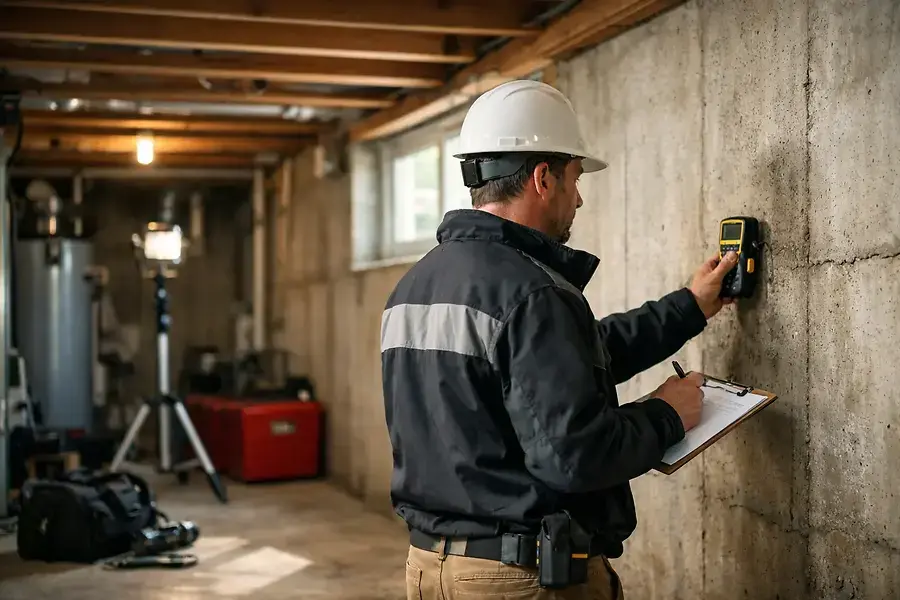
Why Home Inspections Matter in Today's Market
Purchasing a home is one of the most significant financial decisions you'll make, especially in competitive New Hampshire markets like Londonderry and Deerfield. A professional home inspection serves as your safeguard against hidden defects and costly surprises after closing. In today's fast-paced real estate environment, many buyers feel pressured to make quick offers, but skipping or rushing through a thorough inspection can lead to expensive repairs and regrets.
Home inspections provide an objective assessment of a property's condition, from the foundation to the roof. They give you leverage in negotiations, help you budget for future repairs, and ultimately provide peace of mind that you're making an informed investment decision. Whether you're a first-time buyer or an experienced homeowner, understanding what inspectors look for is essential to protecting your interests.
Common Issues Found in Londonderry and Deerfield Properties
Roofing and Weather-Related Damage
New England's harsh winters and seasonal weather patterns take a toll on roofs. Inspectors in Londonderry and Deerfield frequently identify issues such as:
- Missing or damaged shingles from ice dams and snow load
- Flashing problems around chimneys and vents
- Inadequate attic ventilation leading to premature aging
- Gutter deterioration and improper drainage
These issues can lead to water intrusion, mold growth, and structural damage if left unaddressed. Roof replacement is one of the most expensive home repairs, making this inspection area particularly important.
Foundation and Basement Concerns
Many properties in this region were built decades ago, and foundation issues are common. Inspectors look for:
- Water seepage and moisture problems in basements
- Cracks in concrete or stone foundations
- Inadequate drainage around the foundation perimeter
- Signs of settling or structural movement
Water intrusion is particularly problematic in New Hampshire's climate, where freeze-thaw cycles can exacerbate existing cracks and cause new damage.
HVAC and Heating Systems
Reliable heating is essential in New England winters. Inspectors evaluate:
- Age and condition of furnaces and boilers
- Proper ventilation and carbon monoxide safety
- Ductwork integrity and insulation
- Thermostat functionality and efficiency
Older heating systems may be inefficient or unsafe, potentially requiring costly replacement before winter arrives.
Electrical Systems
Outdated electrical systems are common in older Londonderry and Deerfield homes. Inspectors check for:
- Outdated fuse boxes versus modern circuit breakers
- Insufficient electrical capacity for modern appliances
- Improper grounding and safety hazards
- Overloaded circuits and fire risks
Electrical upgrades can be expensive, so identifying these issues early is crucial for budget planning.
Plumbing Issues
Water quality and plumbing integrity are essential concerns. Common findings include:
- Galvanized pipes that are corroded or failing
- Polybutylene pipes prone to failure
- Water pressure problems and leaks
- Septic system concerns in non-municipal areas
Plumbing repairs can quickly become expensive, especially if pipes need replacement throughout the home.
What to Expect During the Inspection Process
Before the Inspection
Schedule your inspection within the timeframe specified in your purchase agreement, typically 7-10 days after making an offer. Ensure you have access to all areas of the property, including the attic, basement, crawl spaces, and exterior. Provide the inspector with any documentation about previous repairs or renovations.
During the Inspection
A thorough home inspection typically takes 2-4 hours, depending on the property's size and age. The inspector will systematically examine:
- Exterior: Siding, trim, windows, doors, and landscaping
- Roof: Shingles, flashing, gutters, and ventilation
- Foundation: Cracks, moisture, and structural integrity
- Interior: Walls, ceilings, floors, and visible structural elements
- Systems: Electrical, plumbing, HVAC, and appliances
You're encouraged to walk through the inspection with the inspector to ask questions and understand their findings firsthand.
After the Inspection
The inspector will provide a detailed written report within 24-48 hours. This report categorizes issues by severity—from minor cosmetic concerns to major safety hazards. Review the report carefully and discuss findings with your real estate agent. Use the results to negotiate repairs, request credits, or make an informed decision about proceeding with the purchase.
When to Consider Specialized Inspections
Beyond the standard home inspection, consider specialized inspections for:
- Radon testing: A naturally occurring radioactive gas common in New Hampshire
- Mold inspection: Particularly important given moisture concerns in the region
- Pest inspection: To identify termites, carpenter ants, or other infestations
- Septic system inspection: Essential for properties not on municipal sewer systems
Making Informed Decisions with Inspection Results
A home inspection report can feel overwhelming, but it's a valuable tool for decision-making. Not every issue requires immediate action. Inspectors identify problems, but you must prioritize based on safety, functionality, and cost.
Use the inspection report to:
- Negotiate repairs or credits with the seller
- Budget for future maintenance and upgrades
- Identify immediate safety concerns that must be addressed
- Plan long-term home improvement projects
- Understand the property's true condition and value
Remember that no home is perfect. Even newly constructed homes have minor issues. The goal is to understand what you're buying and make decisions based on complete information rather than surprises after closing.
In the competitive Londonderry and Deerfield real estate markets, a thorough home inspection is your best defense against costly mistakes. By understanding what inspectors look for and how to interpret their findings, you'll be better equipped to make confident, informed decisions about your home purchase. Don't let the pressure of a competitive market rush you into skipping this critical step—your investment depends on it.